

























































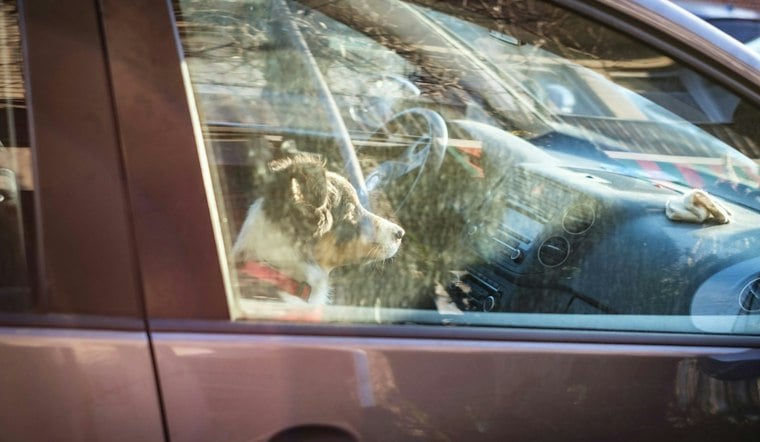
A concerned neighbor's call just after 2 a.m. Monday led Hillsborough County deputies to a Tampa apartment complex, where two dogs were found locked inside a vehicle they had reportedly been trapped in since 3 p.m. the day before. By the time deputies arrived, the animals had been confined for roughly 11 hours. Kenneth Warren, 67, came outside while deputies were investigating the call and was arrested on two counts of cruelty to animals.
According to the Hillsborough County Sheriff's Office
, deputies responded to the complex after the neighbor reported two dogs in distress inside a locked vehicle. Investigators determined the dogs had first been seen in the car at 3 p.m. the previous day, meaning they sat trapped through the afternoon heat and into the overnight hours before anyone intervened. Sheriff Chad Chronister did not mince words about what deputies found, saying that leaving the dogs locked in a hot car for hours “wasn't a lapse in judgment; it was gross negligence.”
How Fast a Parked Car Turns Deadly
Chronister also pointed to the broader danger of Florida's climate, saying the weather “can turn a vehicle into a death trap quickly” and crediting the neighbor's call with helping save the animals. That warning lines up with research from the American Veterinary Medical Association, which has found that a parked car's interior can climb 20 degrees in just 10 minutes and more than 40 degrees within an hour — and that cracked windows do almost nothing to slow the rise.
Tampa's early October weather only sharpens that risk. Afternoon temperatures in the city typically reach between 83°F and 87°F this time of year, according to Weather Spark climate data, conditions that can push a trapped vehicle's interior past 120°F during the day. With the dogs reportedly locked inside starting at 3 p.m., they would have endured the hottest part of the afternoon before any relief came overnight.
A Pattern Hillsborough County Has Been Tracking
This is not an isolated concern for the county. Hillsborough County Animal Control officials warned back in June of an unusual spike in pet heat deaths across the Tampa area, noting that dogs overheat far faster than humans and that failing to protect pets from heat can lead to citations or criminal charges, including a third-degree felony in cases involving an animal’s death, per FOX 13 Tampa Bay. Just in July, the sheriff's office announced the arrest of a Tampa caregiver on two aggravated animal cruelty charges after deputies and veterinarians at the Hillsborough County Pet Resource Center documented severe neglect of two dogs at another apartment complex.
Under Florida Statute § 828.12, animal cruelty is a first-degree misdemeanor punishable by up to a year in jail and a $5,000 fine, but it escalates to felony aggravated animal cruelty — carrying up to five years in prison and a $10,000 fine — when an owner's action or inaction causes excessive, unnecessary suffering, according to the Florida Legislature. It remains unclear whether prosecutors will pursue Warren's case as a misdemeanor or seek to elevate the charges to felony aggravated cruelty based on veterinary evaluations.
What Happens Next for the Dogs and the Case
When animals are seized, they are usually taken to the Pet Resource Center for evaluation and medical attention, while county attorneys can file civil petitions under Florida Statute § 828.073 to strip owners of custody. Whether Hillsborough County Animal Services intends to pursue such a civil petition against Warren, and the current medical condition of the two dogs rescued from the vehicle, remain open questions.
Florida's Good Samaritan law, Statute § 768.139, also shields bystanders who break into a locked vehicle to save a trapped pet in imminent danger, so long as they notify law enforcement before or immediately after entering and use only reasonable force. In this case, the neighbor's decision to call deputies rather than act alone led directly to the rescue and Warren's arrest. The sheriff's office has leaned on both surveillance tools and tips like this one to build cruelty cases across Tampa, underscoring how a single phone call can determine whether an animal survives a hot car.




