

























































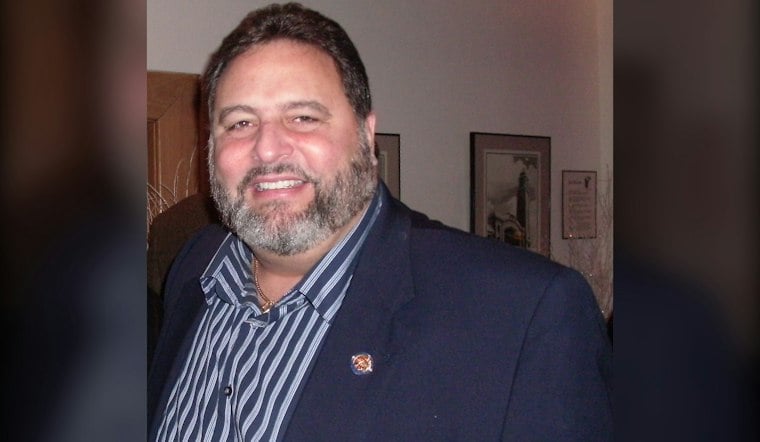
A federal judge considering Jimmy Dimora’s request to end supervised release early must weigh his conduct and the interest of justice under federal law. Dimora is also asking to move to Florida, a separate request that could change where he is supervised without ending supervision. Prosecutors oppose the request to end supervision early, according to Cleveland.com’s account of the objection.
The standard and the alternatives
Federal law permits a judge to terminate supervised release after a person has served at least one year, if the court finds termination warranted by the person’s conduct and the interest of justice after considering specified sentencing factors. The U.S. Sentencing Commission’s 2025 primer summarizes that standard.
A Sixth Circuit ruling provides guidance on how a denial must be explained. On June 23, 2025, the appeals court held in a different case that the record must show the judge considered the relevant sentencing factors before denying early termination; it vacated that denial and sent the case back. The ruling, United States v. Tavarez, does not determine the outcome of Dimora’s motion.
Moving supervision to Florida would be a different remedy. Federal law allows a court to transfer supervision jurisdiction to another district with that court’s concurrence, the Sentencing Commission primer explains. Cleveland.com reports that prosecutors pointed to a transfer or permission to travel as alternatives to ending supervision; neither option by itself would terminate Dimora’s term.
What Dimora and prosecutors argue
Dimora asked U.S. District Judge Sara Lioi on Oct. 9 to end his supervision early or allow him to relocate, according to Cleveland.com’s report on his request. He said he had completed nearly 18 months of his three-year term without violations. He also cited two heart procedures in the five months before filing and said his wife, youngest son and daughter had moved to Florida to be near his oldest son and grandchildren.
Assistant U.S. Attorney Megan Miller argues that compliance is expected of people on supervision and does not, on its own, justify ending it early. Her objection also cites Dimora’s sentence history and the seriousness of his corruption convictions, according to Cleveland.com.
The outlet reports that Lioi reduced Dimora’s sentence from 28 years to 23 years in 2022 and that he was released from prison in 2023. Former President Joe Biden later commuted his sentence; Cleveland.com reports that the three-year supervised-release term began in April 2025 after the commutation. Dimora’s term is scheduled to expire April 10, 2028, the outlet reports. These prior events are part of the prosecutor’s argument, but do not resolve the statutory question now before the judge.
Broader figures do not predict this decision
A U.S. Courts study found that approved early releases increased from 22% of all case closures in 2014 to 28% in 2023. Those systemwide figures are context, not a rate specific to supervised-release termination, and do not establish how often people in circumstances like Dimora’s receive early termination.
No ruling on Dimora’s requests had been reported as of publication. The judge’s decision remains pending.



