

























































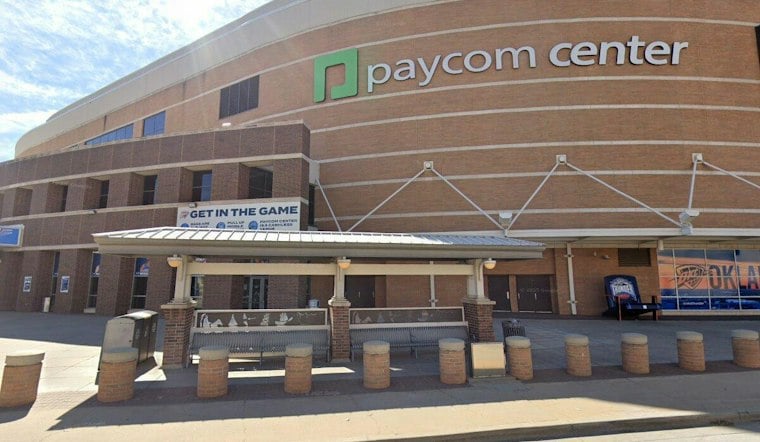
The Oklahoma City Thunder have picked their kitchen crew for the new downtown arena, naming Levy as the founding food, beverage and hospitality partner for Continental Coliseum, the $900 million venue set to open in 2028. The deal means the same company already running culinary operations at Paycom Center will design and operate the food program for the Thunder's next home, promising an Oklahoma-driven menu built around chef-partnerships, immersive dining spaces and tech-enabled service.
According to KOKH, the new arena's food program will lean on chef-driven offerings from local restaurant partners, bar spaces with enclosed seating lounges and bar-top dining, and curated social spots scattered throughout the building. Thunder Executive Vice President Danny Barth said Levy is the ideal partner for the project, adding that the team and the hospitality company are building a food and beverage program meant to reflect Oklahoma City's energy. Levy CEO Andy Lansing said in the same report that his company is excited to continue its partnership with the Thunder, which stretches back many years, at Continental Coliseum.
Seventeen Kitchens and Speed Lanes for Faster Service
The scale of the new food operation is notably bigger than what exists today. Continental Coliseum will include 17 kitchens and post a point-of-sale ratio per person 33% higher than Paycom Center, according to Levy Restaurants. The company is also expected to introduce dedicated speed lanes during non-NBA events, aimed at helping guests move through service points more quickly.
Levy's reach in professional sports is considerable. The company manages hospitality at more than 15 NBA venues, per Wikipedia. Levy expanded to manage food and beverage service throughout Paycom Center in 2023, giving it an existing relationship with the Thunder heading into the Continental Coliseum build.
Inside the $900 Million Arena Taking Shape Downtown
Continental Coliseum itself is a 750,000-square-foot building designed by Kansas City-based MANICA Architecture, with TVS serving as architect of record. The design includes a 360-degree glass curtain wall and a west-facing main entrance called Thunder Alley, aligned with the Myriad Botanical Gardens, according to Flintco, LLC. Construction is being managed by a joint venture between Tulsa-based Flintco and Minneapolis-based Mortenson Construction, which began pouring concrete for the substructure in July using local supplier Dolese Bros., per the City of Oklahoma City.
The arena carries its name under a 15-year naming rights agreement with Oklahoma City-based Continental Resources, announced in March, making it the only arena in the NBA to carry the Coliseum name, as reported by Heavy Sports. Continental Resources is described as the world's largest privately held oil and natural gas producer and is headquartered in Oklahoma City.
Taxpayers Cover Most of the Bill
Public money makes up the bulk of the arena's financing. The $900 million project includes a six-year sales tax approved by 71% of voters and MAPS funds, alongside a $50 million private contribution from Thunder ownership; the remaining $850 million comes from tax extensions and MAPS funds, according to the Oklahoma City Free Press. That special tax is structured to take effect only after the existing MAPS 4 tax expires, avoiding an increase to the local sales tax rate.
The new venue will host the Thunder through 2050. The team originally relocated from Seattle in 2008 and currently plays at Paycom Center.
Building on the Site of the Old Myriad
The arena rises on a downtown block bounded by Reno and Sheridan avenues that for more than 50 years held the Myriad Convention Center, which opened in 1972 and had been demolished by February 12, 2026. Project leaders marked that history with a legacy capsule containing artifacts from the 1972 Myriad opening and past MAPS votes, per the Oklahoma City Free Press.
The arena is one piece of a larger downtown sports buildout. It sits alongside a separate approximately $108.8 million MAPS 4 multipurpose soccer stadium targeted to open in early 2028, a project Hoodline previously detailed. Early construction on Continental Coliseum also forced Oklahoma City to temporarily suspend downtown streetcar operations along Sheridan Avenue in February, replacing the route with dedicated bus shuttles while crews handled underground utility and electrical work.





