

























































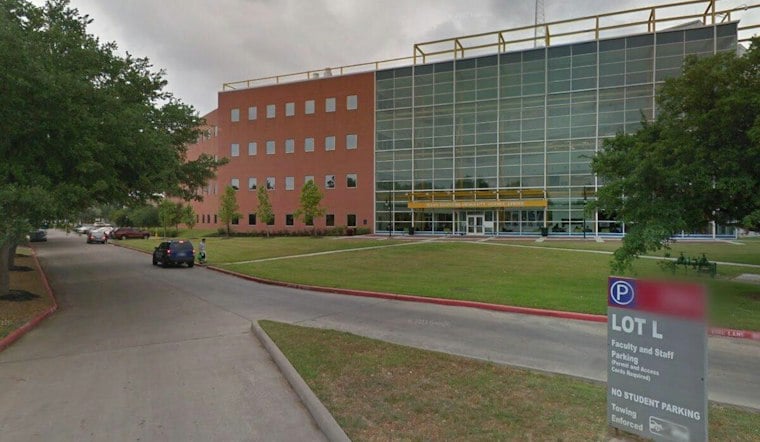
Texas Southern University let students back into its Science Building on Monday, nearly two months after shutting it down over mold, condensation and air-quality concerns that disrupted science majors' hands-on learning. But almost as soon as they walked back in, students began reporting a musty smell.
The building closed on Aug. 17 after officials identified what the university described as severe mold and air quality concerns, according to FOX 26 Houston. That left students without access to labs and classroom space for roughly seven weeks while the university worked to clear the building for reopening.
TSU says it brought in an outside firm, Honesty Environmental Services, which conducted an independent environmental assessment on Sept. 29. According to the station's report, air sampling was performed across 20 interior locations, and the consultant recommended no further environmental action — the basis TSU cited for allowing students back inside on Oct. 5.
Students Say the Smell Never Really Left
Despite that green light, students returning to the building this week reported a persistent musty smell, per the same account. For many, nearly two months of remote learning had already taken a toll — students said the shutdown severely hindered their hands-on lab experience and left them scrambling to prepare for exams without access to equipment they needed.
The disconnect between the university's clean bill of health and what students say they're still smelling has fueled unease on campus, with students voicing ongoing concerns about air quality and potential health risks even after the reopening.
What Doctors and Regulators Say About Mold Exposure
Dr. David Corry of Baylor College of Medicine told the outlet that inhaling mold spores could lead to infection in susceptible individuals, along with risks like chronic sinusitis and asthma. It's a caution that underscores why students are on edge, particularly given reports of persistent odors and visible mold on furniture and chairs.
There's no clear regulatory line to point to either way. The Centers for Disease Control and Prevention's National Institute for Occupational Safety and Health states plainly that there are no health-based standards for mold or other biological agents in indoor air, and that it does not recommend routine air sampling for mold during building air-quality evaluations, according to CDC/NIOSH. The Environmental Protection Agency similarly does not regulate mold or mold spores in indoor air, per the U.S. Environmental Protection Agency.
That regulatory gray area matters because TSU cited its consultant's recommendation in deciding to reopen. A broader scientific review has found that dampness and mold exposure can increase the occurrence of a range of respiratory problems by 30 to 50 percent, according to a study published on pmc.ncbi.nlm.nih.gov, though the full data behind TSU's own sampling results has not been made public.
The underlying Honesty Environmental Services findings remain unavailable, with the consultant citing a nondisclosure agreement, FOX 26 has reported. The station says it has filed a Texas Public Information Act request seeking the underlying sampling data.
Not an Isolated Problem
TSU's situation echoes mold troubles cropping up at schools elsewhere this fall. In Richmond, a school board has been reviewing mold-prevention plans after the district temporarily closed two elementary schools at the start of the school year following mold discoveries, per a report from 12 On Your Side. And in Virginia, Washington County Public Schools has been conducting additional air-quality testing at Rhea Valley Elementary after elevated Aspergillus and Penicillium spores turned up in a pre-K classroom, according to American School & University.
For now, TSU students are back in the Science Building, caught between a university that says the air has been cleared and their own noses telling them something is still off. Whether that tension gets resolved may depend on whatever the underlying assessment data eventually shows, once it becomes available.




