

























































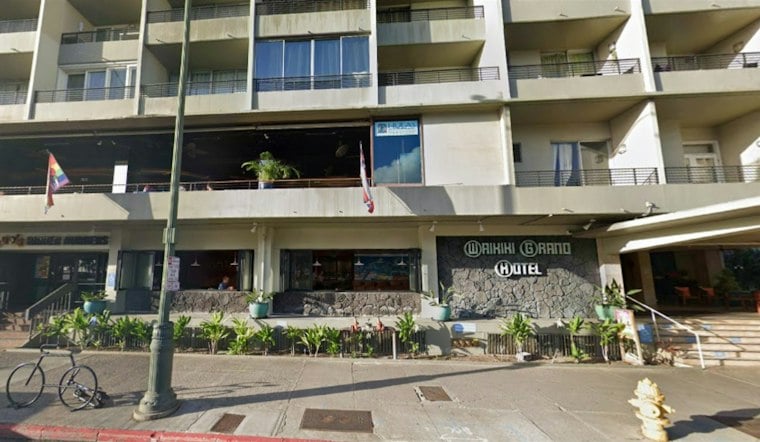
Two Waikiki watering holes got to keep the lights on two hours past the usual cutoff over the weekend, part of a brand-new Honolulu Liquor Commission experiment that could reshape how the city's nightlife operates on special occasions. Hula's Bar and Lei Stand Waikiki and Tapas Waikiki served as the first test cases for a pilot program allowing select bars to stay open until 4 a.m., instead of the standard 2 a.m. cutoff, on certain special occasions.
The trial, which played out Saturday, October 3, was timed ahead of Honolulu Pride festivities later this month, according to KHON2. Under the new Class 10 special license, eligible establishments that already hold a liquor license can apply for extended hours on a case-by-case basis, but the pilot is explicitly not an every-night extension of standard operating hours and is kept separate from the city's longstanding Class 11 Cabaret license, which already allows certain venues to pour until 4 a.m. year-round. As of August, Honolulu had roughly 30 active Cabaret licenses citywide, with more than 57 percent of them concentrated in Waikiki, according to Hoodline's earlier reporting on a liquor dispute involving the Chinatown club Scarlet.
Liquor Commissioner Jeffrey Hong said the goal behind the pilot is straightforward: give businesses a revenue boost during big events without disrupting the neighborhoods around them. “We wanted to balance that with making the smallest impact to the community,” Hong said, per KHON2's reporting. Commission staff monitored both test venues from 2 to 4 a.m. during the trial, and Hong called the run a success.
How the Soft-Close Rules Actually Work
The extended hours come with strings attached. Participating establishments must switch to exit-only at 2 a.m., meaning no new customers can enter after that point even as existing patrons stay. Businesses are also required to have a sound mitigation plan in place.
Last call begins at 3 a.m., and establishments cannot serve any additional alcohol after that point even though doors can stay open until 4 a.m., according to official guidance from the Honolulu Liquor Commission. Hula's Bar & Lei Stand, perched on the second floor of the Waikiki Grand Hotel near Kapiolani Park, has operated as one of the city's longest-running LGBTQ+ nightlife venues for decades, per a 2016 account from On the GO, and regularly hosts live entertainment.
Honolulu Pride is scheduled for October 16, giving the commission's first trial run direct relevance to the bigger crowds expected that weekend. The trial took place ahead of the Pride celebrations.
Nothing Is Guaranteed Going Forward
Despite the successful first run, officials are careful to note that extended hours are not a sure thing for any applicant, now or in the future. The special-license process includes a public hearing where members of the public can testify for or against a given request, and neighborhood boards, the Honolulu Police Department, businesses, and ordinary community members can all weigh in. Jason White said the community will have a say in whether establishments continue receiving the additional hours, though he added that ultimately, the commission makes the final call.```
Jeff Merz voiced support for using a trial period to evaluate the extended-hours concept before expanding it further. Businesses that want in have to manage noise and operations carefully, since the privilege is explicitly discretionary rather than a permanent change to their license. The commission has not determined how long the pilot program will run, and establishments that abuse the extended hours could have a harder time securing another special license down the road.
A Statewide Shift Behind the Local Test
A Statewide Shift Behind the Local Test The pilot is part of Hawaii's county-level liquor-regulation system. County liquor commissions still retain broad authority over local hours and conditions, since Hawaii's liquor regulations are decentralized across four separate county commissions, each enforcing its own manager certification rules and requiring on-premises licensees to carry $1 million in liquor liability insurance, per StartBusinessByState.com.
For now, Honolulu's standard dispenser licenses still cap alcohol sales at 2 a.m., with only Cabaret license holders enjoying routine 4 a.m. privileges, a distinction Hoodline detailed in its earlier coverage of the Scarlet case. Whether the Class 10 pilot becomes a recurring tool for Waikiki's bar scene or fades after a handful of trial runs will likely hinge on how neighborhood boards and residents respond once more venues start applying for a seat at the late-night table.



