

























































Uber just cleared another legal hurdle in its fight against a Philadelphia personal injury lawyer the company accuses of running a fraud scheme on wheels. A federal judge ruled Tuesday that Uber can continue pursuing civil racketeering claims against attorney Marc Simon and his firm, Simon & Simon, rejecting arguments that the company lost its right to sue once an insurer stepped in to cover its costs.
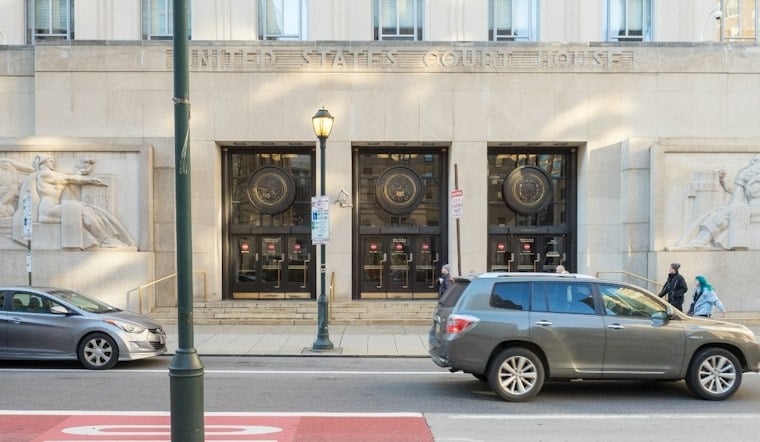
U.S. District Judge Mark Kearney, who is overseeing the case in the Eastern District of Pennsylvania, ruled that Uber retained standing to sue even though it carries liability insurance and Farmers Insurance Exchange had issued payments on its behalf, according to Reuters. The ruling denied Simon & Simon's motion for partial summary judgment, though factual disputes remain over how much Uber paid out of its own pocket, per Courthouse News Service. The case, filed jointly by Uber Technologies, Inc. and Federal Express Corporation in September 2025 and docketed as Case No. 2:25-cv-05365, also names pain clinic Premier Pain & Rehab Center and chiropractic practice Philadelphia Spine Associates as co-defendants, according to court records logged on GovInfo.
What Uber and FedEx Allege
Uber and FedEx allege that Simon & Simon worked with doctors and other medical providers to file fraudulent personal injury claims against the two companies, directing clients toward providers whose unnecessary treatments or false diagnoses inflated claim values and sometimes produced larger settlements, per the Reuters report. The 66-page federal complaint describes what the companies call a conveyor belt scheme, in which personal injury clients — many carrying limited-tort insurance and only minimal injuries — were funneled to a network of preselected providers generating inflated treatment records and negative or minor-finding MRIs to push settlement values above $50,000 in Philadelphia state court, according to legal analysis from KHF Law. Marc Simon and Simon & Simon have denied any wrongdoing, the Reuters report notes.
Simon has argued that Uber and FedEx are abusing the federal RICO statute to put him out of business, and his firm filed counterclaims against the two companies in June 2026. Those counterclaims asserted that the companies' racketeering allegations were baseless in part because they cited already-settled cases as evidence of an ongoing scheme. Judge Kearney dismissed the counterclaims — which had alleged civil extortion and abuse of process tied to Uber's opening settlement offer demanding Simon forfeit his law license — in August 2026, with the court noting that Pennsylvania choice-of-law does not recognize civil extortion claims, according to VitalLaw.
Earlier Rulings Shaped the Case
Tuesday's decision builds on an earlier setback for the defendants. Kearney denied their motion to dismiss in May 2026, ruling that First Amendment Petition Clause immunity under the Noerr-Pennington doctrine does not shield personal injury attorneys or medical providers when litigation is allegedly based on fabricated medical records, per court filings reviewed by Justia. A Simon & Simon spokesperson did not immediately respond to a request for comment, while an Uber spokesperson said the company can continue pursuing its racketeering claims and remains confident in its case, per the Reuters report. The case against Simon & Simon is scheduled to go to trial in March 2027.
A Broader Legal Strategy Across the Country
Philadelphia is just one front in a wider legal campaign. Uber and FedEx have filed similar lawsuits against law firms in Los Angeles, Miami and New York, alleging comparable arrangements between lawyers and medical providers to generate bogus or exaggerated injury claims. The results have been decidedly mixed: in Brooklyn, U.S. District Judge Orelia E. Merchant dismissed a separate Uber RICO suit against New York personal injury law firms and doctors in August 2026, finding that Uber failed to meet heightened pleading standards for fraud or establish direct RICO injury, according to the South Carolina Lawsuit Reform Alliance.
In California, a federal court allowed core elements of Uber's RICO case against Los Angeles personal injury lawyers to proceed into discovery in August 2026, though it dismissed a broader conspiracy count and ordered Uber to pay legal fees to three defendants under the state's anti-SLAPP laws, as reported by PYMNTS. Over the past two years, major corporations and insurers — including Ford Motor Company, 3M, pipe manufacturer JM Eagle, and insurer Roosevelt Road — have filed at least 20 civil RICO lawsuits against personal injury and mass-tort law firms nationwide, according to data cited by Fidelity Investments.
Why Companies Are Turning to RICO
The appeal of civil RICO for corporate plaintiffs lies in its financial teeth. Under 18 U.S.C. § 1964, private litigants who prove injury from a pattern of racketeering activity can recover treble — threefold — damages, along with mandatory attorney fees and litigation costs, according to KHF Law. That incentive has pushed the tactic beyond rideshare and freight companies: AmTrust insurance carriers filed a federal RICO suit in New York in June 2026 alleging an assembly line referral network, and New York City filed its own civil RICO suit against a Manhattan law firm this month over alleged fake crash claims, as Hoodline previously reported.
As the Philadelphia case heads toward its March 2027 trial date, the split rulings in New York, California and Pennsylvania leave open just how far federal courts will let corporations go in wielding a law originally built to fight organized crime against the personal injury bar. For now, Judge Kearney's ruling means Uber's case against Marc Simon and his firm stays very much alive.





