

























































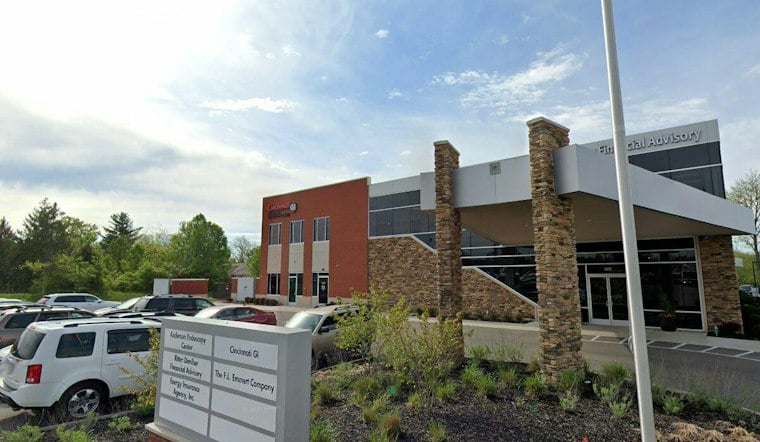
Adults in the Cincinnati area with celiac disease no longer have to drive to Cleveland or Nashville for specialized treatment. UC Health has opened southern Ohio's first center dedicated entirely to adult celiac disease care, offering testing, monitoring and dietitian support out of a Montgomery Road office that began seeing patients this fall.
The center opened September 10 inside UC Health's Montgomery Medical Office building, according to UC Health, which described it as the first and only comprehensive center for adults with celiac disease in the region. As WLWT reported, patients at the new site can access a dietitian along with screenings, monitoring and testing, all under one roof rather than piecing together care from multiple specialists.
What sets the Cincinnati program apart, according to The News Record, is its direct pipeline with Cincinnati Children's Celiac Disease Center. That partnership gives teens and young adults a place to land once they age out of pediatric care, rather than losing access to specialized treatment altogether. Before the new center opened, the closest comparable programs for adults were in Cleveland and Nashville, meaning Cincinnati-area families transitioning out of pediatric care often had to travel outside the region just to keep seeing a celiac specialist, per the outlet.
Closing a Gap Families Used to Drive Hours to Fill
Amanda Cartee, the gastroenterologist who directs the new center, said the program gives pediatric patients a place to continue receiving adult celiac care instead of falling through the cracks after graduating from Cincinnati Children's program. She also said that, as far as she knows, no other program in the country has a similar arrangement linking a pediatric celiac center directly to an adult one, per The News Record. Cartee is certified by the American Board of Internal Medicine in gastroenterology, according to her University of Cincinnati research profile.
The stakes of that transition are real. Research published in a study on pediatric-to-adult celiac care found that fewer than one-third of adolescents with celiac disease are estimated to maintain gastroenterology follow-up once they reach adulthood. Lapses in care during that window may lead to complications including osteopenia, anemia, micronutrient deficiencies, infertility and even gastrointestinal malignancies, the same research notes. The study also points to hybrid follow-up models blending specialist oversight, primary care and telemedicine as a promising way to keep patients engaged long-term.
Living With a Disease That Has No Cure
Celiac disease is an autoimmune condition in which the body's immune system reacts negatively to gluten, a protein structure commonly found in wheat and other grains, according to The News Record. Left unmanaged, it can damage the small intestine, leading to digestive and nutrition absorption problems. It's a chronic condition with no known cure, and the only treatment is strict gluten avoidance, per the outlet, which also reported that the disease affects about 1% of the population.
Separately, the same transition-care research describes celiac disease as a chronic autoimmune disorder triggered by gluten ingestion in genetically predisposed people, causing inflammation and damage to the small-intestinal mucosa, and states that a strict gluten-free diet remains the only effective treatment. For patients, that means constant vigilance: checking every food for gluten before buying or eating it, and avoiding items exposed to gluten through cross-contact. The center is built to treat exactly those patients, including people who feel unwell or symptomatic after eating gluten, along with celiac disease itself and its complications.
Even strict adherence doesn't guarantee relief. Cartee said patients can have significant symptoms despite following a gluten-free diet, The News Record reported. That lines up with findings cited by the National Institutes of Health, where close to half of surveyed participants, 40.7% to 42.2%, reported persistent celiac symptoms despite sticking to a gluten-free diet.
Research Ambitions Still Ahead
The Montgomery Road center has begun accepting, monitoring and treating patients, but it is not yet conducting its own research, according to The News Record. Cartee hopes that will change. She anticipates the center will grow and establish its own research initiatives over time, the outlet reported, building on her own academic background, which includes a 2020 community-based study of celiac disease autoimmunity progression in adults and a 2022 study examining symptom responses after acute gluten exposure, both listed in her university research profile.
Programs in other regions suggest what that growth could eventually look like. Cleveland Clinic's celiac program, launched in 2019, assembled a multidisciplinary team to address the disease's systemic impacts and built in post-diagnosis clinical evaluations at three months, six months and one year, according to Cleveland Clinic. Vanderbilt Health, which calls its clinic the only dedicated celiac program in the Southeast, offers screening, symptom management and the option to join clinical trials, per Vanderbilt Health. UAB Medicine's center, described as the only one of its kind in Alabama and the Deep South, pairs physician care with translational research into non-dietary therapies, according to UAB Medicine.
For now, UC Health's center aims to provide specialized celiac disease care closer to home for Cincinnati-area patients who previously had nowhere nearby to turn. With diagnoses rising globally due to more aggressive case-finding and, in some places, population-based screening, according to the transition-care research, the demand for a local option is unlikely to fade anytime soon.




