

























































UK HealthCare is expanding two ways for rural Kentucky women to reach specialized care: local partnerships offering gynecological services and ovarian cancer screenings, and telehealth visits with high-risk pregnancy specialists. The effort addresses a substantial access gap: nearly half of Kentucky's counties lack basic maternity services, leaving many women to travel long distances or go without care.
The local partnerships are intended to reduce the travel and financial burdens that can keep patients from care. Val Moore, UK HealthCare's director of clinical outreach, told UKNow that distance, transportation, work schedules, childcare and cost can all be barriers. The report also noted that many Kentucky counties lack general gynecology and obstetrics providers, as well as resources to screen for ovarian cancer or identify pregnancy complications early.
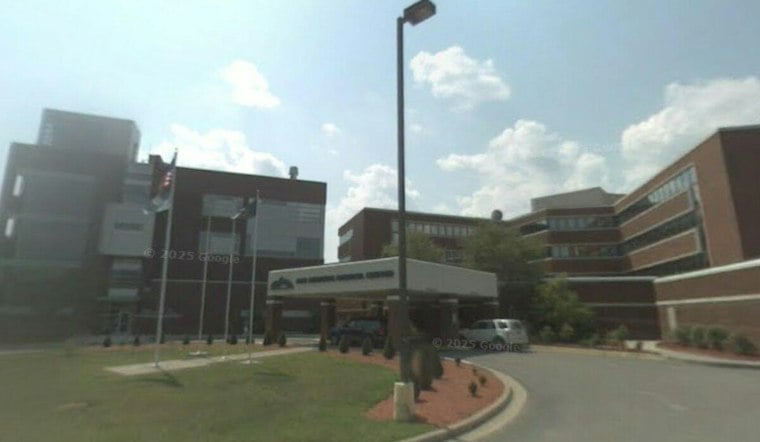
The partnerships reach Kentucky River Medical Center, Bourbon County Health Department, Middlesboro ARH, Hazard ARH, Highlands ARH and The Medical Center at Bowling Green, UKNow reports. Services have also expanded to the WEDCO District Health Department, which covers Harrison, Scott and Nicholas counties, as well as Greenup County Health Department and Jessamine County Health Department.
Local clinics help connect women with gynecological care
UKNow reported that Crystal Dobson, a nurse practitioner providing gynecological outreach in eastern Kentucky, has met patients who said they had not seen a provider in seven years. Dobson said her team can help arrange financial assistance for patients without insurance.
Kentucky River Medical Center, one of the partner sites, already offers preventive care, cancer screenings and physical exams aimed at women of all ages, according to its own women's health program. UK HealthCare says it partners with more than 600 organizations statewide that share its vision for a healthier Kentucky, per UK HealthCare's Allies in Health program.
The history behind Kentucky's ovarian screening program
Ovarian cancer causes more deaths than any other cancer of the female reproductive system, in part because it often produces no symptoms in its early stages, and later symptoms can be vague enough to dismiss, UKNow reports. The American Cancer Society estimates more than 21,000 women in the U.S. will be newly diagnosed with ovarian cancer in 2026.
The Markey Cancer Center's Ovarian Cancer Screening Program began with Virginia McCandless, who was treated for stage 3c ovarian cancer by gynecologic oncologist John van Nagell in 1977 and later organized donations to launch the program. Van Nagell adapted ultrasound technology into transvaginal sonography; the National Cancer Institute later adopted screening guidelines developed by him and his team as the nationwide standard, according to UKNow. Members of the Kentucky Extension Homemakers Association donated $30,000 in the program's first year and continue to support it.
The Ovarian Cancer Screening Program now provides free annual screenings using transvaginal ultrasonography to women across Kentucky. Women over 50 qualify even without symptoms or a personal history of the disease, while women over 25 with a family history of ovarian cancer or other genetic risk factors are also eligible. Ovarian cancer has a 90 percent five-year survival rate when caught early, UKNow reports, and the program is funded entirely through grants and private donations.
Program figures vary by reporting period. UKHealthCare's current program page states that since 1987, more than 54,000 participants have received more than 400,000 free screenings. A 2021 report from UK Research had put the cumulative total at nearly 345,230 free screening exams provided to more than 49,358 Kentucky women, with screenings performed at Lexington, Elizabethtown, Somerset and Paducah. Moore has reported that the program has identified more than 500 tumors overall, including roughly 150 malignancies found in women who had no symptoms. Free screenings are also now available at the Pulaski County Health Department, Hardin County Health Department, McCracken County Health Department, Maysville Primary Plus, Ephraim McDowell Fort Logan, Ephraim McDowell James B. Haggin, Hazard ARH and the Markey Cancer Center.
Telehealth brings high-risk pregnancy care closer to home
Rising costs and funding shortfalls have forced local hospitals to discontinue maternity services in parts of Kentucky, according to UKNow. The state's maternity care gap is stark: 49.2 percent of Kentucky counties are classified as maternity care deserts, meaning they have neither a hospital or birth center offering obstetric care nor an obstetric clinician, according to March of Dimes. Another 10.8 percent of counties have only low or moderate access rather than full access to maternity care, the organization reports. March of Dimes has separately reported that more than two million women of childbearing age nationally live in counties with no obstetric providers or birthing facilities at all.
John O'Brien, director of UK HealthCare's division of maternal-fetal medicine, said high-risk pregnancy care is especially challenging in rural settings, where late-pregnancy visits can be required twice a week and rising gas prices compound transportation worries, per UKNow. Limited prenatal care or a lack of insurance can raise the risk of preeclampsia, preterm delivery, excessive bleeding, birth defects, miscarriage or stillbirth, the outlet reports, and complications can also include food and housing insecurity, maternal safety concerns, obesity and substance use.
What state reviews say about maternal health and access
Kentucky's 2023 Maternal Mortality Review report says 88% of reviewed maternal mortality cases in the combined 2017-2020 cohorts were deemed preventable, according to the Kentucky Department for Public Health. That finding concerns reviewed deaths; it is not a measure of maternity-care access or evidence about UK HealthCare's program. The department's 2025 Maternal Mortality Review report, citing Fontenot (2023), says an average trip of 20.3 miles is needed to reach services in areas with limited accessibility. That is a travel-distance measure, not a county maternity-care classification. These figures do not, by themselves, show how maternal mortality or severe maternal morbidity differs by rurality or has changed over time.
Kentucky Angels links local care with maternal-fetal medicine specialists
UK's answer has been the Maternal-Fetal Medicine Telehealth program, created in 2014 and also known as Kentucky Angels. The Kentucky Angels program sends specially trained UK sonographers to nearly a dozen regional locations, where they perform ultrasounds that Lexington-based physicians review remotely before discussing results with patients by video chat.
Rob Sprang, director of UK HealthCare Telecare, established the program's first connection in Manchester, Kentucky, working with John Allen, business operations director for UK's Department of Obstetrics & Gynecology, UKNow reports. When a patient is identified as high-risk, UK HealthCare experts coordinate care directly with local providers. The telehealth program offers appointments at least twice monthly at each participating location, according to UK HealthCare's Maternal-Fetal Medicine Telehealth page, with listed sites including Middlesboro, Ashland, Maysville, Manchester and Hazard.
O'Brien estimates that about 5 percent or less of Angels referrals are ultimately advised to deliver at UK, while roughly 95 percent can safely deliver in their own home communities, thanks to early and frequent screening that catches complications sooner and cuts down on unnecessary trips to Lexington. He has said stable local practices remain essential to meeting Kentucky's maternal-fetal medicine needs going forward.
Local relationships are central to the outreach model
Moore has said community partnerships work because local providers understand the specific needs of their patients and are already trusted by the women they serve, bringing specialized UK expertise into familiar settings. UK experts travel to patients' communities as often and as far as needed, she said, adding that Kentucky women deserve quality health care no matter where they live.
UK HealthCare employs more than 10,000 healthcare professionals and houses Kentucky's only NCI-designated comprehensive cancer center, along with a Level IV neonatal intensive care unit and the region's only Level 1 trauma center, per UKNow. Those resources back a broader push: in 2024, UK's OB-GYN division announced plans to expand specialty and subspecialty obstetric and gynecological care to 19 new outreach sites in addition to 17 already operating across the Commonwealth, covering everything from gynecologic oncology to high-risk obstetric care.





