

























































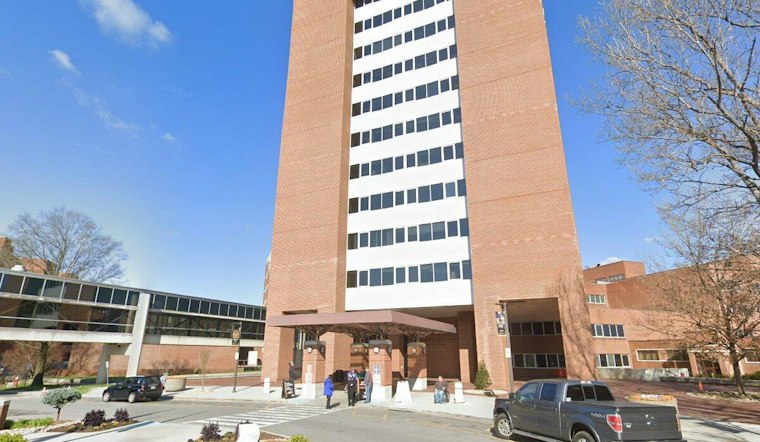
Appointments on the University of Tennessee Medical Center's mobile mammography unit are fully booked, and demand across rural East Tennessee has pushed the hospital system to plan a second traveling screening unit. The existing van already screens more than 4,500 women each year, rolling into communities where the nearest mammogram facility can be a half-hour drive or more away.
The mobile unit currently travels to 21 East Tennessee counties, six of them rural, according to the WATE report on UT Medical Center's expansion plans. Women in six of those counties face a travel time of at least 30 minutes to reach a mammogram facility, a gap the mobile program is designed to close. The University of Tennessee Medical Center's Cancer Institute says it plans to add the second unit because of demand, and WATE reports the new unit is expected to double screening capacity.
UT Medical Center's own program page, describing its Breast Health Outreach Program, puts the mobile unit's reach at 21 East Tennessee counties, while a 2026 journal article on the program describes the unit as covering nineteen counties, and the National Breast Cancer Foundation lists the outreach program as targeting 20 rural and remote counties. The discrepancy in county counts across these sources has not been resolved.
Funding and Timeline for the Second Unit
The second mobile mammography unit is being funded through a $5.4 million Rural Health Resiliency grant from the State of Tennessee and the Tennessee Department of Health, according to a report from WVLT. That same WVLT reporting described the unit as launching in early 2026, though the station's more recent coverage of the mobile mammography program did not independently confirm a specific launch date for the new unit.
Susan Stinnett, who runs the University of Tennessee Medical Cancer Institute, has said the mobile unit provides mammograms to patients without insurance or with underinsurance. The current unit accepts patients regardless of insurance status, screening both insured and uninsured women as part of its mission, per the hospital system's outreach program description.
What Patients Need to Know Before Booking
Anyone hoping to use the mobile mammography unit must schedule an appointment in advance, since walk-ups are not accepted. Screening requires patients to have no current breast problems, such as a lump, pain, nipple discharge or burning, and to be able to climb stairs without assistance, according to the hospital's appointment guidelines. Patients with breast implants or who need translation assistance are asked to inform staff ahead of time, since those appointments require extra time. Appointments can be booked by calling 865-305-9753 or 865-839-7426.
Breast cancer is diagnosed in roughly one in eight women, underscoring why advocates point to early detection as critical. A retrospective analysis of the program's screenings from 2008 through 2023, covering 48,385 mammograms among 20,254 unique women, found the unit completed an average of 14 mammograms a day and detected 238 cancers, with 80% caught at stage 0 or 1, according to findings published by binaytara.org. The same analysis found that 10% of women screened were uninsured and 9% identified as minorities, with diagnostic completion reaching 90% through navigator assistance.
A Regional Pattern of Mobile Screening
UT Medical Center is not alone in deploying a traveling mammogram van across Appalachia. Ballad Health's mobile 3D mammography unit, which began traveling in 2024, has served more than 3,500 patients and recorded more than 300 detections in less than three years, according to Ballad Health. That unit can also be booked by employers, much like a blood donation drive, and provides 3D mammograms regardless of a patient's insurance status.
A study of an Appalachian mobile mammography program found that the women who used it were more likely to be ages 40 to 49, have lower incomes, lack health insurance and be behind on screening guidelines — evidence, researchers suggested, that mobile units are reaching a vulnerable rural population that might not otherwise seek preventive care. Research on mammography access across Tennessee has similarly pointed to urbanicity and education as key drivers of screening disparities, recommending improved geographic access through tools like mobile units or telehealth.
For now, East Tennessee's only mobile mammography unit remains booked solid even as it continues its six-day-a-week rotation, offering digital and 3D screening to women who might otherwise go without. UT Medical Center's outreach program also offers free breast health classes at convenient locations across its service area, part of an effort the hospital system says reduces barriers tied to work schedules, childcare and transportation that can keep women from getting screened at all.





