

























































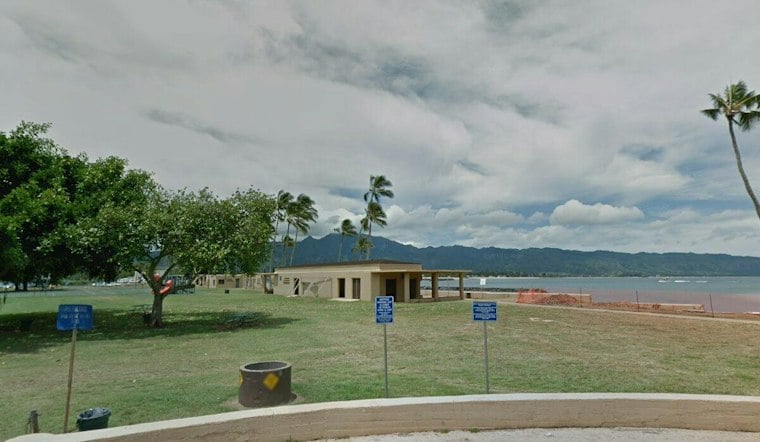
Forty-eight sculptures now rise from the ruins of a 1930s pavilion at Haleʻiwa Beach Park, the final stop for a citywide art project that spent nearly two years tracing Oʻahu's hidden histories back to the surface. The City and County of Honolulu Mayor's Office of Culture and the Arts opened the installation last Friday, closing out a series that began at Fort Street Mall in downtown Honolulu. Carved by artists Amber Khan and Jordan Souza, the sculptures tell the story of Laniwahine, an aliʻi moʻo described as a shape-shifting water guardian who guards and sustains the ʻUkoʻa and Loko Ea fishponds of Waialua.
The project, called Wahi Pana: Storied Places, is described by its organizers as a temporary public art initiative that connects sites across Oʻahu with their Native Hawaiian moʻolelo, according to wahipana.com. It launched in 2025 and is scheduled to run through 2028, funded by up to $1 million from Bloomberg Philanthropies' Public Art Challenge, which selected Honolulu as one of eight winning cities nationwide. As Aloha State Daily reports, the sculptures at Haleʻiwa rest on pillars that once supported the old beach park pavilion, grounding the new artwork literally in the bones of the old structure.
A Moʻolelo Pulled From Old Newspapers and Living Memory
The Laniwahine installation draws on archival Hawaiian-language newspaper records from 1870 to 1885, translated by Paige Okamura, combined with talk-story sessions with Waialua community members, according to colouramber.com. That research places Puaʻena in Waialua as the first landing site of the moʻo clan in the Hawaiian archipelago, with the installation depicting moʻo arriving at Puaʻena Point before processing across the islands in pairs, per Aloha State Daily's reporting.
Okamura, a member of the Honolulu Commission on Culture and the Arts who grew up in Waialua, researched and translated the moʻolelo using those newspapers and conversations with community members. She pointed to several threads tying the story to the land itself: Puaʻena Point, the Loko Ea fishpond, her grandfather David Anana's stewardship of the area, and the name Alamuki appearing on a family land document. Okamura said public art succeeds when the community recognizes itself in and invests in the art, adding that the installation is meant for generational residents to see the stories and places they grew up with.
Community Voices Behind the Project
Jennifer Santos, executive director of the Mayor's Office of Culture and the Arts, said the installation represents what the community can do together, and that it reclaims the space while continuing care and aloha ʻāina for it. She said she hopes the installation gives visitors a mindful, guided connection to what lies beneath the surface. The project involved community feedback on the artists' plans and preliminary renderings before the sculptures were finalized.
Manu Anana, president of the Waialua Community Association and Okamura's mother, said the installation reflects the community and its history. She said she hopes community members and newcomers alike will come to know and appreciate the important local stories tied to the site.
From a Walk in the Park to 48 Carved Figures
Souza said he first thought of moʻo while walking around Haleʻiwa Beach Park the previous year, and that he felt compelled to make work about moʻo because, in his words, they want to be known again. He said the moʻo procession stood out to him as a narrative thread, and he designed the sculptures to make the story accessible to visitors. Souza also said the group-project process behind Wahi Pana pushed him outside his comfort zone and taught him lessons in openness and kindness.
Khan, who grew up in Kalihi, described herself as a vessel for the moʻolelo the community wanted to share. She hosted workshops with the Waialua Community Association to make cordage from hau harvested at Loko Ea, and workshop participants used that cordage to create sculptures depicting fishpond mākāhā, the traditional sluice gates used to manage fishpond waters. Khan incorporated shells gathered from Puaʻena Point beach into Laniwahine's more fearsome form and said she hopes visitors will consider the passage of time represented across the sculptures. She also plans to gift a mākāhā sculpture to the Mālama Loko Ea Foundation.
A Fishpond Restoration Tied to the Same Guardian
The Mālama Loko Ea Foundation is restoring the Loko Ea fishpond with Laniwahine in mind, according to Aloha State Daily. Makua Perry, the foundation's ʻāina and kaiaulu coordinator, described Laniwahine as the original steward of the two prominent fishponds and said the installation offers another way for people to connect with the ʻāina. A free cultural gathering at Haleʻiwa Beach Park featuring artist talks, protocol and interactive workshops honoring the moʻolelo of Laniwahine was also part of the project's public programming, according to KHON2.
Wahi Pana's broader footprint across Oʻahu has included sites such as Fort Street Mall, Fort DeRussy, Lēʻahi, Kapiʻolani Park, Hanauma Bay Nature Preserve, Koko Crater Botanical Garden, Kahe Point Beach Park and Hoʻomaluhia Botanical Garden, per Aloha State Daily. The project's own website describes it as bringing together local artists and storytellers to create 11 multimedia installations around the island, while Bloomberg Philanthropies' Public Art Challenge describes Wahi Pana as proposing installations in a dozen key cultural destinations to share little-known indigenous history — two counts that don't quite line up but both point to a sprawling, island-wide undertaking.
The Laniwahine sculptures are set to remain at Haleʻiwa Beach Park until the end of 2028, when the next city administration will decide how to proceed with them, according to Aloha State Daily. For now, the figures stand where a pavilion once stood, turning a quiet beach park into a place where an old story about a water guardian and her fishponds can be seen, touched and talked about again.





