

























































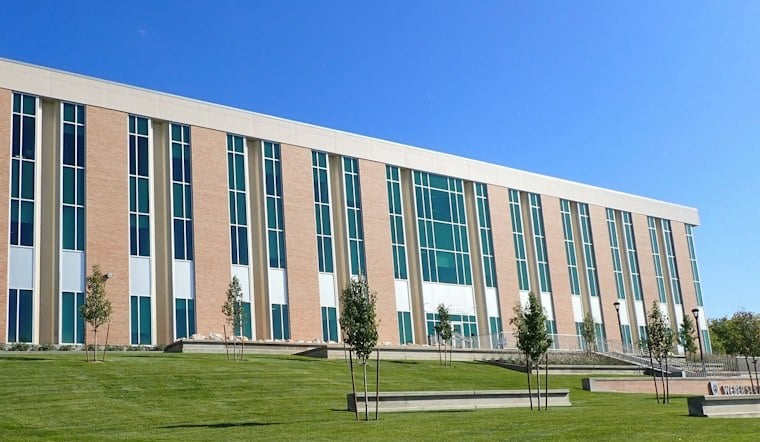
A Utah professor accused of misusing a university purchase card walked away with $175,000 in separation pay instead of facing discipline, according to a newly released state legislative audit. The payout, tied to an employee at Weber State University, surfaced as auditors examined broader problems with how Utah's public colleges and universities hold tenured faculty accountable.
The audit found the faculty member repeatedly misused the purchase card for thousands of dollars in personal purchases, according to the report. Rather than pursue formal discipline, Weber State entered into a separation agreement with the employee, the audit found, that included the $175,000 payment, a letter of reference from the provost, and a non-disclosure agreement. Utah Legislative Auditor General Kade Minchey confirmed late Wednesday that the professor was employed at Weber State, though the individual's name and position were not disclosed, as reported by KJZZ.
The case became a centerpiece example in a much broader legislative review of tenured faculty oversight at Utah's public higher education institutions. Auditors concluded that the current oversight of tenured faculty does little to ensure accountability, according to Deseret News. The audit drew on more than 120 interviews and a review of 666 performance evaluations of tenured professors across the state system.
Performance Reviews Rarely Flag Problems
Of those 666 performance reviews, only eight concluded that a professor's teaching performance needed improvement, the Deseret News report notes. Auditors went further, selecting 40 cases where teaching was rated satisfactory despite evidence to the contrary, suggesting the official review numbers likely understate how often poor teaching goes unaddressed.
The Chronicle of Higher Education's review of the same findings put it similarly stark terms: auditors found only eight instances in which tenured faculty members with poor teaching performance were required to go through remediation. An additional 40 cases, according to the Chronicle, illustrate how someone identified as a persistently poor teacher could end up being rated satisfactory or given no remediation plan at all, as detailed by The Chronicle of Higher Education.
Department Chairs Caught in the Middle
The audit traced part of the accountability gap to the structure of department-chair positions themselves. Sixty-seven percent of auditor interviews with department chairs raised concerns about their roles, authority, workload, incentives or training, per the Deseret News account. Investigators found that temporary, rotational chair models create what the audit called structural disincentives that discourage chairs from addressing poor faculty performance.
The Chronicle's reporting adds that chairs are selected from among their own faculty peers, serve in rotating positions, and already face heavy workloads — a combination that leaves little incentive to confront colleagues over performance problems. Salt Lake Community College stood out in the audit as the one institution using a permanent, non-rotational model for first-line department supervisors, the Deseret News reported.
What the Audit Recommends
Based on those findings, auditors recommended that the State Board of Education take steps to strengthen the supervisory role of department chairs while holding them more accountable, according to the Chronicle's reporting. The audit also recommended that the state document best practices from other states on disciplining tenured faculty, per the Utah Office of the Legislative Auditor General.
Weber State's own written policy lays out how tenured faculty are supposed to be evaluated: annually, with a post-tenure review every five years or more often under specified circumstances. That review is meant to include compliance with university policies covering faculty responsibilities and ethical obligations, and is conducted by a committee of tenured faculty peers appointed by the provost in consultation with the department chair, according to the policy posted by Weber State University. Under that same policy, failure to correct deficiencies identified in a post-tenure review can lead to disciplinary action, including dismissal, subject to due process.


