

























































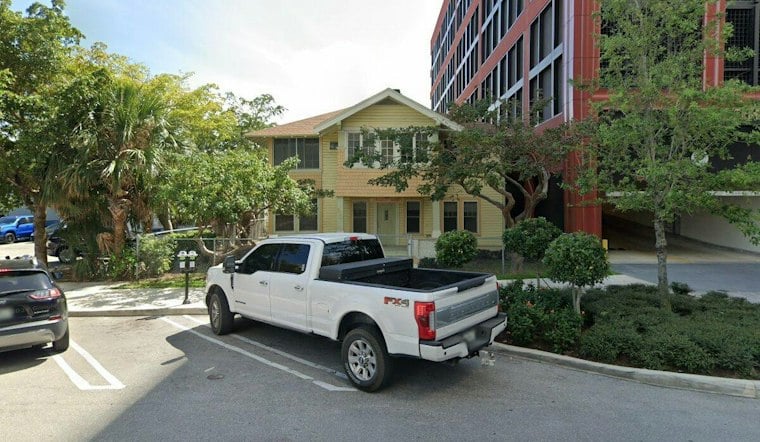
A 1910 house at 520 Evernia Street in downtown West Palm Beach is packing up and moving out, trading its spot in the shadow of glassy high-rises for a quieter lot about a mile away at 900 Sixth Street in the Historic Northwest. Once it arrives, the century-old home will be rehabilitated and eventually sold as affordable housing.
The relocation is being handled by Related Ross, which is spending about $3.2 million to move and rehabilitate both this house and another historic property, the former home of West Palm Beach Mayor Joel Daves at 610 Evernia Street, according to WPEC. The outlet describes the relocation as giving historic homes a second life while downtown development reshapes the neighborhood around them.
A Neighborhood Transformed by Towers
The property at 520 Evernia Street sits in a stretch of downtown that has changed dramatically in less than a decade. A high-rise building across the street went up in 2017, the station's report notes, and a parking garage followed in 2020. Once the house is relocated, the vacated property is expected to operate as surface parking for at least five years, per the same account, with Related Ross having not publicly unveiled a replacement development for the site.
That open-ended timeline leaves one of downtown's more visible corners in limbo for the foreseeable future, even as construction continues nearby. The home itself, listed at 2,239 square feet according to a RE/MAX property listing with Continental Properties, Inc. as the listing agency, is a modest holdout compared to the towers rising around it.
Nearby Project Signals More Density to Come
The move isn't happening in isolation. Just blocks away, Soleste Palm Station is planning to bring 321 apartments to 520 N. Rosemary Avenue, envisioned as two eight-story towers with studio- through three-bedroom units, a pool, cabanas and a fitness center, WPEC reports. Together with the high-rise and garage that already reshaped Evernia Street, the project underscores how quickly downtown West Palm Beach's skyline is filling in around its older, low-slung housing stock.
Why Affordable Housing Is the Endgame
Turning a relocated historic home into affordable housing isn't just a feel-good footnote — it speaks to a shortage that county officials have been documenting for years. Palm Beach County's 2024 area median income was $104,000, according to the county's 10-Year Affordable Housing Demand Report, which also found an existing affordability gap of 106,363 owner-occupied units and 37,537 renter units across the county.
The same report projects that population growth will create demand for 80,785 additional households by 2035, with 10-year demand through 2034 totaling 149,250 owner units and 52,530 renter units. A separate 2020 assessment from the Palm Beach County Affordable Housing Needs Assessment found that the scope and scale of the county's affordable housing needs are substantial, identifying renter households as especially vulnerable due to extended job loss, low incomes and excessive cost burdens. That assessment called for a much greater public, private and philanthropic response to the crisis.
West Palm Beach's Historic Preservation Program, which maintains the city's 18 locally designated historic districts and 46 individually designated sites, oversees the broader effort to protect buildings like the one now rolling up Evernia Street, according to the City of West Palm Beach. Whatever eventually replaces the vacated lot, the house itself is getting a second chance a mile from where it's stood for more than a century.


