

























































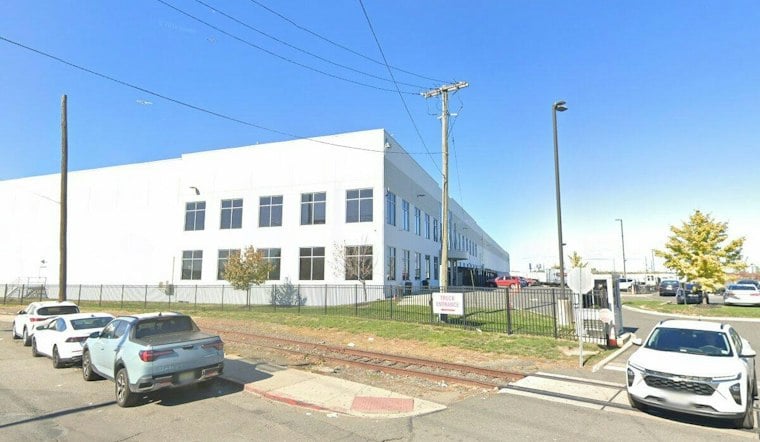
Woodland Park officials are raising pointed questions about a proposed $125 million federal settlement meant to jump-start the long-stalled cleanup of the Lower Passaic River, worried that key details about a planned sediment-processing facility remain unresolved. Municipal attorney Al Buglione updated the borough council on the deal, which would require Environmental Resource Holdings LLC to perform the cleanup-support work, and flagged unanswered questions about who would ultimately run and fund the facility once it's built.
The proposed agreement, announced by the U.S. Department of Justice on behalf of the EPA in September, would support cleanup of the lower 17 miles of the Passaic River as part of the Diamond Alkali Superfund site. Under the terms described by TAPinto, Environmental Resource Holdings would construct a facility to process contaminated sediment dredged from the river, build supporting facilities for future dredging work, and work to cover contaminated portions of the riverbed. Processed sediment would then be transported elsewhere for disposal.
Buglione told the council that Woodland Park and other municipalities have expressed concerns about several portions of the settlement, but the sharpest worry centers on the processing plant itself. Municipalities involved in the settlement discussions have questioned who would operate, maintain and pay for the facility once it's constructed, according to the TAPinto report. Buglione said the settlement would fund partial construction of the plant, but that responsibility for its long-term care remained unresolved.
What the Settlement Would Require
Beyond building the processing facility, Environmental Resource Holdings would collect samples from the lower 8.3 miles of the river to establish baseline conditions and would reimburse the EPA for future oversight costs tied to the work, per the same TAPinto account. Federal officials described the proposed agreement as an important step toward beginning the long-awaited river cleanup, according to the GRC Report's coverage of the DOJ-EPA agreement.
Environmental Resource Holdings is a new holding company tied to Diamond Alkali, and the EPA identifies it as a potentially responsible party for the Superfund site. The Justice Department describes the company as a corporate successor to Occidental Chemical Corporation and to Diamond Alkali Company/Diamond Shamrock Corporation, which previously owned and operated the chemical manufacturing facility in Newark at the heart of the contamination, GRC Report notes.
A Legacy of Contamination Dating to the 1940s
Industrial operations at the Newark facility date back to the 1940s, and the plant produced pesticides and other chemicals, including DDT, before manufacturing there ended in 1969. The facility also manufactured chemicals used in Agent Orange, the defoliant used by the U.S. military during the Vietnam War, per the TAPinto report. Contamination from those industrial operations and other sources has affected the Passaic River for decades, leading the EPA to add the site to the federal Superfund National Priorities List in 1984.
The EPA has since developed plans to remove contaminated sediment and cover portions of the riverbed to reduce public exposure to hazardous substances. GRC Report notes that the agency selected a cleanup plan for the lower 8.3 miles back in 2016 calling for dredging and an engineered cap, and approved the remedial design for that stretch in May 2024.
Buglione Cites Confidentiality Around ERH
Buglione also raised concerns about how responsibility for the contamination has been divided and about how little public information is available on Environmental Resource Holdings itself, telling the council that much of the information about the company remains confidential. He said a municipal group headed by the Passaic Valley Water Commission is willing to brief Woodland Park Mayor Tracy Kallert and the borough council on the settlement's status at a future meeting, and that community members would be asked to write letters to their legislators.
The proposed consent decree, filed in U.S. District Court for the District of New Jersey, is subject to public review. The Justice Department extended the public comment period by 30 days, through November 14, 2026, according to a notice published in the Federal Register. Residents can review the proposed agreement through the Justice Department's consent decree webpage, and written comments may be submitted to [email protected], referencing United States v. Environmental Resource Holdings, LLC, D.J. Ref. No. 90-11-3-07683/20.
How This Deal Compares to Past Settlements
The proposed $125 million agreement would follow other major settlements tied to the same Superfund site. The EPA previously reported that 85 other potentially responsible parties agreed collectively to pay $150 million toward cleanup of the Lower Passaic River, according to a separate Justice Department announcement. Years earlier, the agency secured a $165 million agreement with Occidental Chemical to conduct work needed to start the cleanup of the lower eight miles of the river.
For Woodland Park, the immediate concern isn't the scale of those past deals but the practical question hanging over this one: once Environmental Resource Holdings builds the sediment-processing plant, who keeps it running. Buglione's briefing suggests that question won't be settled before the public comment window closes next month, leaving municipalities to press their case through written comments and, as he put it, letters to lawmakers.





