

























































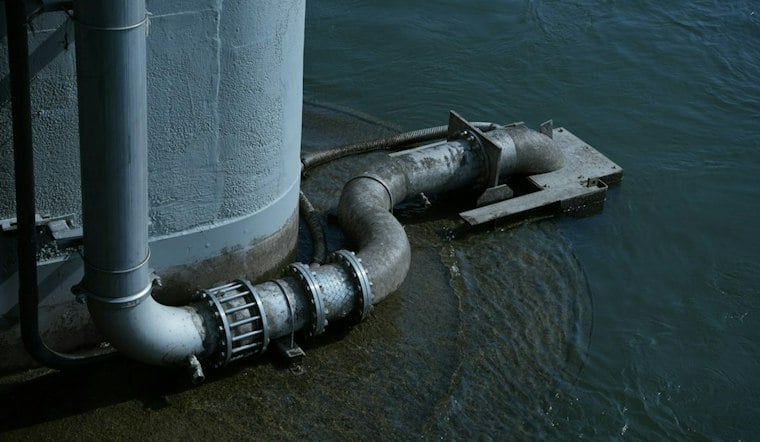
Woodland Park is considering rules that would require homeowners to manage where water from sump pumps and drainage pipes goes, rather than allowing it to create problems on neighboring properties or public walkways. The mayor and Borough Council introduced the ordinance unanimously on Oct. 21; it is not yet in effect.
Under the proposal, residents could not connect sump pumps, foundation drains or similar systems to sanitary sewers, or direct stormwater onto streets, sidewalks, curbs, gutters or other public walkways, according to TAPinto. The rules would set out where homeowners may send that water instead.
For surface discharge, the proposed standard is a point at least 10 feet from a neighboring property line. An approved storm-sewer connection or a different location authorized in writing by the borough engineer would be exempt from that setback, the report says. A direct connection to the municipal storm sewer would be allowed where available and approved by borough officials.
Where the Water Is Supposed to Go
If no approved storm-sewer connection is available, residents would have to direct water to a suitable area on their property, such as a lawn or a facility designed to let it soak into the ground, according to the report. Homeowners could apply in writing for the borough engineer to approve another location or method if reasonable compliant options are unavailable.
The proposal responds to problems officials associate with poorly directed water, including standing water, ice, erosion, algae growth and unsafe conditions for pedestrians and drivers, TAPinto reports. Runoff can also affect neighboring properties and borough drainage infrastructure. Woodland Park already prohibits improper connections to its municipal storm sewer, but officials determined that sump pumps, drainage pipes and similar discharges needed more specific rules.
Existing borough code, laid out on ecode360.com, already states that “the spilling, dumping, or disposal of materials other than stormwater into the municipal separate storm sewer system operated by the Borough of Woodland Park is prohibited.” That same code currently lists uncontaminated groundwater — including basement sump-pump discharges — as an allowed discharge, reading in part: “uncontaminated groundwater (e.g., infiltration, crawl space or basement sump pumps, foundation or footing drains, rising groundwaters).”
State Stormwater Rules and Local Flood Risk
New Jersey’s Administrative Code sets requirements for the Municipal Stormwater Regulation Program, which regulates stormwater discharges from municipal separate storm sewer systems, according to the New Jersey Department of Environmental Protection. Those provisions describe requirements for municipal systems; that source alone does not establish whether state rules specifically regulate private sump-pump outlets. A Borough of Woodland Park flood-protection information sheet says 0.50 square miles, or 16% of the borough’s land area, is in the FEMA 100-year flood zone. That broader flood-risk figure does not establish the cause or scope of the localized drainage problems addressed by the proposed ordinance.
How Violations Would Be Handled
The proposal would not impose one compliance deadline for every case. Instead, an enforcement official could give written notice and set a reasonable period for correction, with the time allowed depending on the problem’s nature and seriousness, according to TAPinto. Conditions posing an immediate threat to public health or safety could require immediate correction.
If a violation continues past the required notice and compliance period, each additional day could count as a separate offense, the report states. The borough’s existing general penalties would apply unless a more specific penalty governs. Officials could inspect exterior drainage locations and request information or testing when they have reason to suspect an unlawful connection or prohibited discharge.
The proposal would not automatically require owners to alter existing sump-pump or drainage systems when it takes effect. But officials could require changes if they find a violation, nuisance, hazardous condition, impact on public or neighboring property, or unlawful connection, according to the report.
A Councilman's Case for the Rules
Councilman Michael Sica said the ordinance addresses stormwater management on private property and residents' responsibilities to prevent drainage problems, as reported by TAPinto. “These ordinances really have to do with safety and quality of life,” Sica said.
Woodland Park isn't the first New Jersey municipality to tackle this issue. Franklin Township adopted its own sump-pump and pipe-drain discharge ordinance back in October 2018, requiring discharges installed on or after Oct. 1 of that year to be directed preferably onto an absorbent surface such as grass, mulch, rock or soil, according to ecode360.com. Franklin Township may also require discharge points to sit at least 10 feet from a property line or township right-of-way, and the code there prohibits connecting sump pumps and related drains to the house sanitary sewer. When a violation occurs, the township's Public Works Manager or a designee must provide written notice and give property owners 45 days to make corrections — a more specific timeline than Woodland Park's proposed case-by-case approach.
Wayne Township offers another nearby example. Its code, together with New Jersey Department of Environmental Protection rules, prohibits connecting sump pumps, stormwater drains, roof drains, foundation drains, surface runoff or groundwater drains to the sanitary sewer system, according to waynetownship.com. The township directs those connections to the stormwater drainage system instead, and warns that storm-related flows and sump pumps entering the sanitary sewer can surcharge the system, cause manhole overflows, back up into homes and increase treatment costs. Sewer connections require a written permit.
Woodland Park's Borough Council has scheduled a public hearing and final vote on the ordinance for Wednesday, Nov. 4, at 7 p.m.




