

























































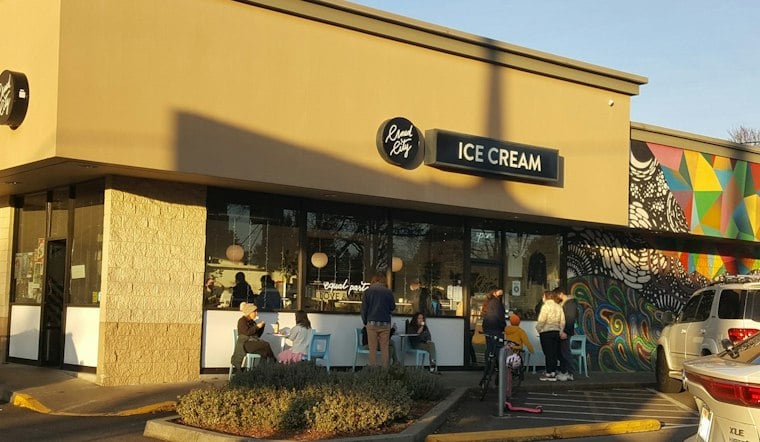
Cloud City Ice Cream has scooped homemade waffle and sugar cones in Portland's Woodstock neighborhood for fifteen summers, but owner Bryan Gilbert says the shop needs $60,000 fast or it may not see another one. The small-batch ice cream parlor at 4525 S.E. Woodstock Blvd. put out the call for donations in an Instagram post on Tuesday, warning that years of financial strain have pushed it to the brink.
According to oregonlive.com, Cloud City is raising the money to “get the business back on track.” The trouble traces back to a major equipment failure in July 2024 that forced the shop to temporarily close during peak season. Gilbert said that breakdown cost the business its most important stretch of revenue for the year. “We lost crucial summer income that has put the shop in a precarious financial position,” he said, per the same outlet.
Savings Gone, Loans Ruled Out
Gilbert said he and his business exhausted personal savings and investments trying to carry Cloud City through the past two seasons. He explored borrowing money to bridge the gap, but concluded it wasn't a workable fix. “After potential loan options turned out to be unsustainable,” he turned to crowdfunding instead, the report notes. Without a change in the shop's finances, Gilbert said it's unlikely Cloud City will last another year.
The fundraiser's exact haul depends on who's counting. According to The Portland Tribune, the GoFundMe had collected nearly $38,000 as of Wednesday, while oregonlive.com put the figure at more than $35,000 from around 640 donations that same morning. Either way, the response arrived quickly after Tuesday's Instagram appeal, Gilbert told KOIN, which reported that Cloud City opened on Woodstock Boulevard in the fall of 2011, offering small-batch, handcrafted ice cream built around local ingredients.
A Shop Born From Loss
Cloud City's origin is tied to personal tragedy. As reported by The Portland Tribune, Gilbert founded the shop in 2011 while his mother was losing her battle with cancer, and she died the day before he signed the lease and opened the doors. He has described his mother as his best friend, and Cloud City itself stands as a tribute to her. Gilbert said he wishes the shop had turned to crowdfunding sooner, but added that asking for financial help has never come easily to him.
Despite the strain, Gilbert said serving the neighborhood has been a pleasure, and he's grateful to the supporters rallying behind the shop now. Cloud City remains open daily from noon to 9 p.m. The shop's reputation extends beyond Woodstock: Yelp ranked it the No. 33 best ice cream shop in the United States in 2023, as noted by The Oregonian/OregonLive, and it placed No. 5 on a 2024 ranking compiled by Oregonian/OregonLive ice cream expert Lizzy Acker, as reported by The Oregonian/OregonLive.
Part of a Rough Stretch for Portland Scoop Shops
Cloud City isn't the only Portland-area ice cream institution in trouble this year. Lake Oswego Ice Creamery, which opened in 1985 as Tillamook Ice Creamery, has been facing the possibility of closing after 40 years due to rising costs and declining business, oregonlive.com has reported. Employees Jazmine Sullivan and Amanda Ulam had hoped to buy that shop from owner Stan Prentice to keep it running, but an online fundraiser meant to cover past debts and fund updates has since been paused.
Another Portland-area ice cream shop that had survived a car crash was reported to be closing after its building owner declined to renew the lease and opted to sell the property instead. The struggles fit into a broader pattern: Oregon business closures outnumbered new openings by 6,000 in the first nine months of 2025, a reversal of historical trends, according to oregonlive.com. More recently, several Portland restaurants and bars have cited tariffs, rising costs, pandemic fallout and retirement as reasons for shutting down.





