

























































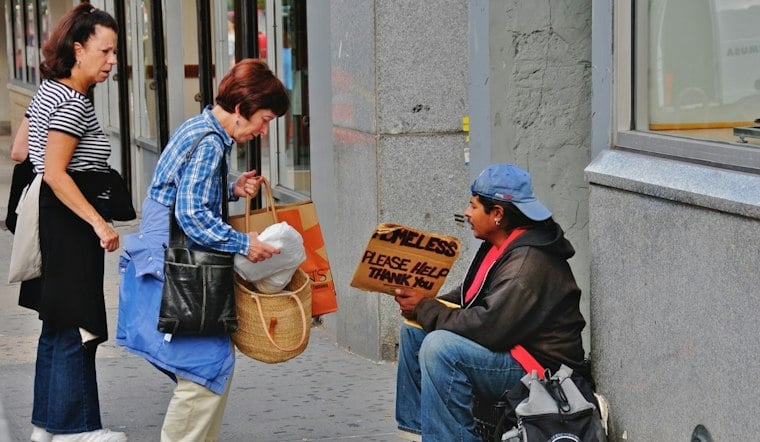
A September city count listed 6,159 supportive-housing apartments as vacant, while more than 83,000 people slept in city shelters; a yearly tally put nearly 5,000 people on the street, in parks and in subways. The vacancy total was the highest since monthly reporting began, but the count includes units in different stages of readiness.
The count nearly doubled from February 2026, according to Gothamist. Supportive housing is reserved for homeless New Yorkers dealing with mental illness, substance use disorder or other special needs, and the apartments are funded through a mix of city, state and federal dollars. Tenants pay no more than 30% of their income toward rent and receive counseling or case-management services.
Craig Hughes told Gothamist that the city and state should treat vacancy rates as crisis numbers, not routine data points. He also said providers can reject applicants for vague reasons while eligible people wait months for placement.
Where the Empty Units Are Concentrated
Of the 6,159 vacant apartments, 4,270 had no assigned tenant and no pending move-in as of September, according to the city data cited by Gothamist. The New York State Office of Mental Health oversaw 2,753 vacant units, though roughly 400 already had tenants waiting to move in. The city's Department of Health and Mental Hygiene accounted for more than 20% of vacancies; the agency said about 200 of its units were available and empty, while others were tied up in legal disputes, code violations or awaiting certificates of occupancy.
Agencies attributed vacancies to move-outs, repair work, rejected placements and admissions delays, Gothamist reported. Some apartments remain empty for repairs or renovations after a tenant moves out, adding to the wait for housing even when a unit is counted as vacant.
What the vacancy count includes
New York City law defines a vacant supportive-housing unit to include online units, offline units and units with a referral in process, so the total does not mean every counted apartment is ready for immediate move-in, according to the New York City Council. A separate 2022 law required annual reporting on supportive-housing information in the city’s coordinated assessment and placement system; that requirement is distinct from the monthly vacancy disclosures.
Oversight findings also illustrate the challenges involved in maintaining some supportive-housing units. A New York State Comptroller audit of six ESSHI projects, including providers in the Bronx and New York City, found inadequate conditions and critical health and safety issues at some inspected locations. The audit covered July 2017 to March 2023 and did not measure the September 2026 vacancy count, according to the Office of the New York State Comptroller.
Not everyone agrees on how dire the number looks once it's broken down. The Supportive Housing Network of New York, which represents 200 providers statewide, said the true figure is closer to 1,000 units once non-rentable apartments and units outside the supportive-housing system are excluded, estimating a 2.5% vacancy rate for rentable units. Tierra Labrada, speaking for the group, said a zero-percent vacancy rate would actually leave roughly 10,000 people already approved for supportive housing with nowhere to go, since turnover is needed to place new tenants at all.
City Officials Point to Faster Repairs
The Department of Social Services said it is making repairs faster and has moved more people into apartments this year than last, according to the Gothamist report. Nicholas Jacobelli, representing the agency, said it has maintained a low vacancy rate for the units under its purview, while William Fowler said less than 2% of the agency's units were vacant and available for someone to move in.
Mayor Zohran Mamdani said in February that he would prioritize filling the empty supportive apartments. That pledge came the same month a brutal cold stretch killed 29 New Yorkers, according to the figures included in the dossier's story facts. Brooklyn Council Member Lincoln Restler, who championed the local law that made vacancy reporting mandatory, said renovating units and prioritizing people in safe havens and on the streets could help address street homelessness.
State officials have also weighed in. Justin Mason said the state is taking measures, including regulatory changes, aimed at reducing delays and helping people with serious mental illness access housing. Sneha Choudhary said the administration is addressing the root causes of vacancies, cutting red tape and streamlining access to supportive housing.
A Years-Long Pattern of Empty Units
September's count is the latest data point in a problem that has persisted for years. A previous legally required city report found nearly 3,200 of the city's roughly 40,000 supportive-housing units vacant, with about two-thirds of those empty apartments funded by the state's Office of Mental Health, according to Gothamist's earlier reporting. New York City now has more than 42,000 supportive-housing apartments in total.
As of September 2024, 4,117 supportive-housing units were vacant, with just under half, or 1,971, designated as online and the rest offline pending renovation, according to Healthbeat. More than 400 of those online units had sat empty for a year or more, and over 700 offline units had been out of commission for just as long, the outlet found.
The access process itself has also drawn scrutiny. Healthbeat's reporting found that of 955 unsheltered people approved for supportive housing during the period it tracked, only 175, or 18%, actually obtained a placement. Nearly 400 approved applicants were still waiting to be referred to a provider for an interview, and 131 had waited more than a year before their applications simply expired without a placement ever materializing.
Citywide, the system has shown some improvement over time. The city reported that 94% of its 36,094 supportive-housing apartments were filled in the most recent fiscal year on record, up from 91% occupancy two years earlier, per Healthbeat. A prior report also found more than 900 vacant apartments already had a tenant lined up to move in, while about 2,200 needed extensive repairs and could not safely house anyone in the meantime.
The Supportive Housing Network of New York first drew attention to the chronic vacancy problem in 2022, pushing the city toward the tracking requirements now generating the monthly numbers. Separately, Mayor's spokesperson Allison Maser said the city had connected about 4,800 people with supportive housing in calendar year 2024, a 19% increase over the prior year. New York State Office of Mental Health guidance sets a 90% occupancy target for the units it funds and allows for reallocating units when vacancies run high, though the guidance does not detail exactly when or how that reallocation happens.




