

























































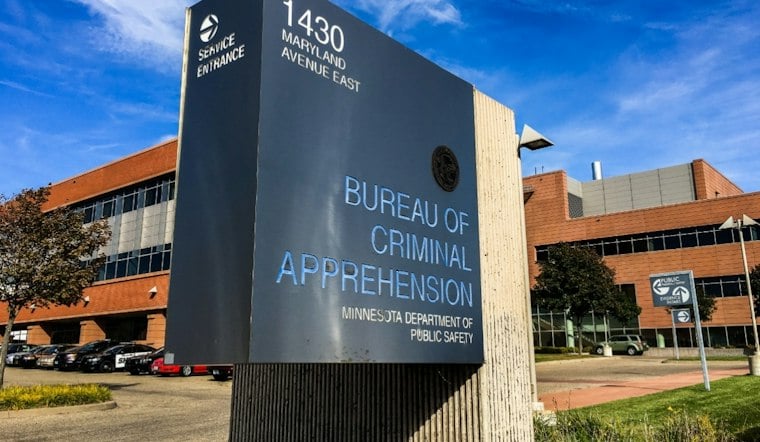
State records show 61 automated license plate reader cameras across Minnesota are currently listed without a public location, even though state law generally requires agencies to disclose where the devices sit. Some police departments say they're invoking a security exception to keep the information under wraps, while critics argue the secrecy undercuts the accountability the law was meant to guarantee.
The finding comes from KSTP, which reported that Minnesota law requires agencies to report automated license plate reader locations to the Minnesota Bureau of Criminal Apprehension, but allows agencies to invoke an exception permitting certain information to be withheld if officials determine disclosure could create a security risk. Among the agencies involved are Robbinsdale and the University of Minnesota, both of which withheld Flock camera location information from the state's public listing, according to the station's report.
Edina Cites Vandalism, University Reverses Course
Edina had previously listed the locations of all 34 of its Flock cameras before removing that information from the state's website in August, saying the move was meant to prevent further targeted damage, per the same account. The city is far from alone in reporting physical attacks on the devices — multiple Minnesota cities have reported damage to Flock cameras, and the license plate readers, made by companies like Flock and Axon, have been vandalized across the state as frustration over the technology has grown, according to the Duluth News Tribune.
The University of Minnesota, meanwhile, reversed its own withholding after 5 INVESTIGATES began asking questions, asking the Bureau of Criminal Apprehension to make its camera locations public again, the KSTP report notes. A university spokesperson attributed the earlier withheld status to a page that simply hadn't been updated, though that explanation did not directly address why the locations were withheld in the first place. University spokesperson Briana Reenshuler said the school is committed to transparency and open communication about public safety technology, per the same report.
Critics Call It a Loophole
Not everyone is satisfied with that security rationale. Anna Madision said law enforcement is exploiting a loophole to hide camera locations, and argued the public may not have consented to the collection of their data in the first place, the station's report states. Matt Ehling, meanwhile, said agencies need more than a theoretical concern to justify withholding information — a pointed critique given that Minnesotans for Open Government helped draft portions of the state's automated license plate reader law more than a decade earlier, according to the same account.
Minnesota Statutes section 13.824 does provide a narrow check on that secrecy: a determination that a reader's location is security information is subject to in-camera judicial review under Minnesota Statutes section 13.08, subdivision 4, per the Minnesota Revisor of Statutes. The statutory excerpt does not spell out the full scope of how that review works in practice.
Cost of Vandalism Falls on Taxpayers
In Crow Wing County, Sheriff Eric Klang said the sheriff's office operates 11 Flock cameras, and confirmed that people have vandalized and cut wires on some of them. Each camera costs $3,000, Klang said, and taxpayers are ultimately responsible for the cost of the damage, according to KSTP's reporting. Klang also pushed back on the idea that the cameras amount to indiscriminate surveillance, saying they're used to investigate crime, not to monitor routine shopping trips.
Supporters point to concrete cases as evidence of the technology's value. Klang said one of the county's cameras recently helped identify a suspect in a drive-by shooting, while Shakopee police credited a Flock camera with helping investigators identify a murder suspect, per the same report. Flock camera supporters more broadly describe the technology as a game changer for tracking down criminals, the station notes. Elsewhere in the state, Medina Police Chief Jason Nelson has said the technology helped investigators track down a suspect in the kidnapping of a 9-year-old girl, according to MPR News.
Community Pushback Spreads Statewide
Those success stories haven't quieted broader unease. Minnesota residents have raised concerns about privacy, government surveillance, and how license plate data is collected and shared at city council meetings across the state, KSTP reports. In Cedar-Riverside, that pressure led the University of Minnesota Police Department to agree to remove a Flock camera at Cedar and Riverside avenues, with the department saying the move was meant to support community trust while maintaining robust safety coverage.
The group Eyes Off St. Paul began as neighbors opposing the technology after Operation Metro Surge, according to the same KSTP account. MPR News reports that Minnesota cities and counties are increasingly divided over the cameras, with some agencies promoting them as crime-solving tools and others shutting them down entirely over privacy concerns. North Branch paused a planned Flock expansion, while Duluth, Columbia Heights, and West St. Paul have moved to suspend or end their Flock contracts altogether, per MPR's reporting.
Those concerns extend beyond local policing. MPR News also reported that a Minnesota Star Tribune investigation found hundreds of immigration-related searches of Flock data across the Twin Cities, with the majority involving data from cameras in Fridley — a finding that led the city to subsequently restrict access to its Flock data. Flock itself says federal data sharing is off by default and that local communities decide who can access and share their data, according to the same report.
A Lawmaker's Personal Account
For state Rep. Brad Tabke, the issue is personal. He has said federal agents looked up his license plate multiple times while he worked as a constitutional observer, and said the agents later came to his house and, in his words, terrorized his family. Tabke has called for more oversight and transparency about how license plate data is used, saying the public deserves to know when cameras are used and how their data is handled, according to KSTP.
Legislation Expected to Return
Minnesota lawmakers discussed possible changes to license plate reader laws during the last legislative session but did not pass reforms, the station reports. Several lawmakers and advocacy groups expect the issue to return as a priority in the next session. Democratic lawmakers said in August they would bring back legislation to regulate Flock cameras in the 2027 session, according to the Duluth News Tribune.
That proposed legislation would mandate that data collected by the cameras be destroyed 48 hours after collection, rather than the current 60 days, unless it's tied to a criminal investigation, the News Tribune reports. The bill would also restrict access by out-of-state entities without a court order or judicial warrant, and would require signage near the cameras. Whether that proposal ultimately becomes law remains to be seen as the next session approaches.




