

























































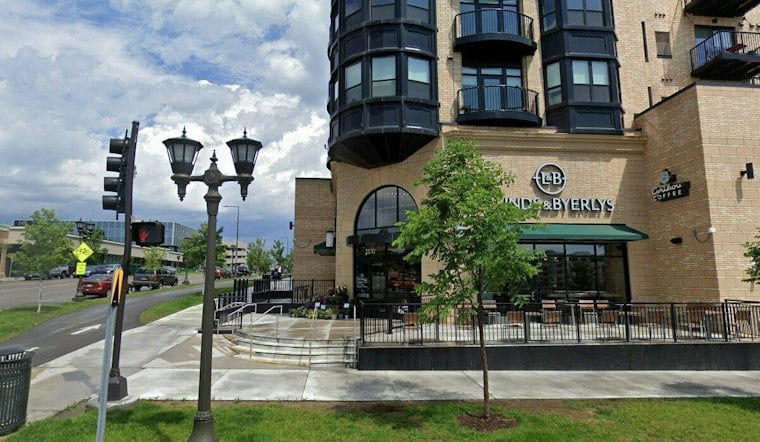
A 69-year-old woman, Karen McElveen, was struck and killed by a turning dump truck while crossing Cleveland Avenue at Ford Parkway around 8 a.m. on October 29. She was pronounced dead at the scene. The crash has intensified residents’ calls for safer streets in St. Paul’s growing Highland Bridge neighborhood.
Neighbors Air Grievances at Tuesday Meeting
At a Highland District Council meeting Tuesday, residents raised safety concerns about traffic around the neighborhood, according to the Minnesota Star Tribune. Resident Tyler Strunk said he often looks over his shoulder while out and urged the city to reduce the number of cars passing through the neighborhood. Max Huber, parish director at nearby Lumen Christi Catholic Church, described several close calls crossing between Target and Panera and said he no longer lets his elementary school-age children walk alone along Ford and Cleveland.
Huber said traffic had increased significantly since people began moving into Highland Bridge and called for road-design changes to improve safety. “I would rather be safe and delayed than dead,” he said, according to the outlet’s account of the meeting.
A Neighborhood Transformed on the Old Ford Plant Site
Highland Bridge is a growing residential community on 122 acres formerly occupied by the Ford plant, with apartments, town houses and senior living developments. The Star Tribune reported that new residents, visitors to shops and restaurants, and people using the neighborhood’s off-leash dog park contribute to traffic. Cleveland Avenue also carries drivers heading to highways that lead to the airport.
St. Paul assistant mayor Nick Stumo-Langer said traffic patterns around the former Ford site have changed: instead of surges tied to factory shift changes, the area now has steady activity as people travel to and from homes, shops and offices. He said the growth is putting added pressure on infrastructure and cautioned that major changes require more than city action and cannot happen immediately.
The city’s adopted Ford Site Zoning and Public Realm Master Plan says transportation planning for the former Ford site should address walking, biking, public transit and driving, balancing movement with safety and encouraging trips around the site without a car, according to the City of Saint Paul. That plan sets out a transportation goal; it does not establish that the current street design meets it.
Residents' Specific Asks
Residents asked for pedestrian islands, wider sidewalks paired with bike lanes to narrow the roadway, longer walk-signal head starts before cars can enter intersections, and traffic cameras. City traffic engineer Randy Newton said St. Paul has had too many deadly crashes this year. Officials said the city plans to begin with more modest steps, including repainting crosswalk stripes, while seeking legislative authority to use traffic cameras.
Minnesota statute 169.147 establishes a traffic-safety-camera pilot program and authorizes Minneapolis and Mendota Heights, not St. Paul, as local implementers. The statute therefore does not itself authorize St. Paul to deploy cameras; legislative authorization or a change in law would be needed.
Why Bigger Fixes Could Take Years
Part of the holdup is jurisdictional. Ford Parkway and Cleveland Avenue are county roads, and the city of St. Paul and Ramsey County are currently renegotiating their road maintenance agreement, which has not been updated in decades. St. Paul also has a long list of neglected street-maintenance projects competing for limited funding, officials said.
City planning records show the tension between quick fixes and permanent redesign has been on the table for years. At a June 2023 Highland District Council Transportation Committee meeting, a city representative told members that separated bikeways on Cleveland Avenue would require full street reconstruction, and that physical improvements are generally more effective for pedestrian safety than signals alone, according to Highland District Council meeting minutes. The city's draft bicycle plan at that time called for Cleveland Avenue bike lanes to run from St. Paul Avenue to north of University Avenue, though the corridor currently has only on-street bike lanes rather than separated ones, the minutes state.
Full reconstruction of Cleveland Avenue between Ford Parkway and Mississippi River Boulevard is listed in the city's proposed 2040–2044 project period, according to My Villager, though that remains a proposed timeline rather than a confirmed construction schedule. Funding for such projects is expected to come in part from Saint Paul's voter-approved 1% Common Cent sales tax, created in 2023, which is projected to generate almost $1 billion for parks and street and bridge projects over 20 years, per the same outlet. Public Works officials have said pavement condition accounts for 35% of each Common Cent project's technical score when ranking which streets get rebuilt first.





