

























































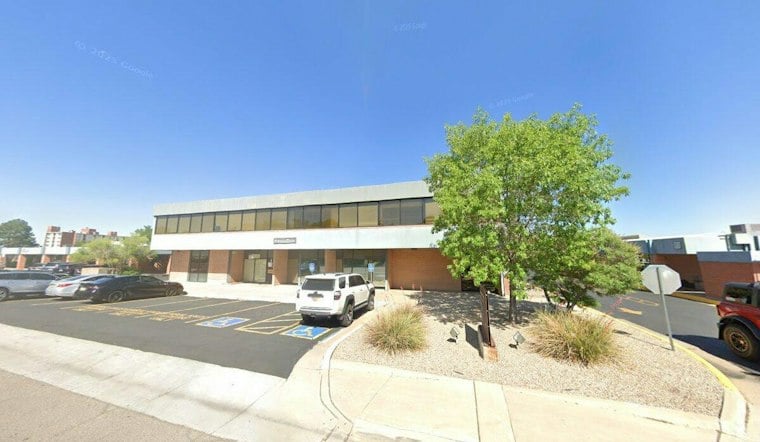
A five-acre medical campus in Albuquerque's historic Pill Hill district could soon be reduced to rubble, just months after becoming the city's most recently designated historic site. Medical Arts Plaza's fate now rests with the Albuquerque Landmarks Commission, which is scheduled to consider the demolition request on December 9.
The six-building complex near the University of New Mexico was built in the 1950s and later became part of a National Register Historic District, according to bizjournals.com. As reported by KRQE, the property is owned by Med Arts LLC, a California-based firm that is seeking to demolish the buildings and sell the land. KRQE reporter Ben Schlittler wrote that the station contacted the firm on Monday about its plans, but it had not responded as of publication.
The push to tear down the campus comes just weeks after its key tenant, UNM Truman Health Services, cleared out. The clinic moved into a brand-new, 28,000-square-foot building at 2220 University Blvd SE in October, according to the UNM HSC Newsroom, and the new clinic is now open and accepting appointments. With Truman gone, the station's reporting indicates, Medical Arts Plaza's future has become uncertain, and no replacement use for the site has been determined.
A Historic Designation With No Guarantee of Survival
Medical Arts Plaza earned its distinction as Albuquerque's most recently designated historic site only to now face the threat of the wrecking ball. City historians say the campus marked a change in how residents received healthcare, according to the same KRQE report. Leslie Naji, the city's historic preservation officer, told the station that the campus exemplifies a broader shift from downtown medical offices toward suburban complexes designed to be accessible by car.
Naji said the plaza includes several detailed medical arts complexes gathered in one location, a design choice that set it apart from earlier, single-building medical offices downtown. She said preserving the campus's midcentury architecture matters to the city's history, and she told the outlet she worries the site could sit vacant even after any demolition goes forward.
What a 120-Day Review Could Mean
If the Landmarks Commission moves forward, the city's Historic Preservation Division is seeking a 120-day delay before demolition proceeds, per the same account relayed by KRQE. Naji said the division could use that window to take additional photographs and create site drawings documenting the campus's architecture and development, with plans to preserve a record of its legacy during any delay.
Albuquerque's demolition-review code gives the city that authority. Under the ordinance, the rules cover demolition of any structure at least 50 years old, whether or not it is listed on a state or national historic register, and even presume an unknown-age structure is over 50 years old, according to the Albuquerque code. If the Historic Preservation Planner recommends a Landmarks Commission review, the commission must notify the applicant and the Chief Building Official within five days and hold a public hearing at the next possible date to decide whether to invoke the 120-day period.
Once that review period is invoked, the code is explicit: no demolition, new-construction, or alteration permits can be issued for the property during those four months, and the commission must arrange for documentation of the structure in the meantime. A similar dynamic has played out elsewhere in the city — a December 2025 city notice described a 120-day review period being advised for an original 1904 structure even as demolition of later rear additions was allowed to proceed, though the full context and outcome of that case were not detailed in the notice.
For now, the questions hanging over Medical Arts Plaza — who will show up to December's hearing, what the owner ultimately plans for the land, and whether the Landmarks Commission will invoke its review power — remain unanswered. What is clear is that a campus city historians say once represented a turning point in how Albuquerque residents accessed healthcare now sits empty, its original tenant gone and its future undecided.



