

























































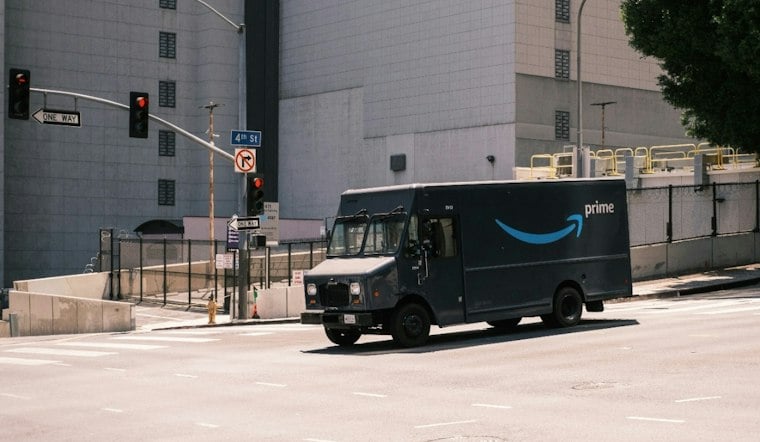
Arizona consumers who tried to cancel their Amazon Prime membership and ran into roadblocks could soon see money back in their pockets. Under a new consent judgment, Amazon has agreed to hand over $3 million to the Arizona Attorney General's Office, which will distribute the funds to what officials are calling eligible consumers.
Who Qualifies for a Refund
According to the Arizona Attorney General's Office, eligible consumers are people who tried to end their $139-a-year Prime membership and ran into cancellation hurdles, as reported by Arizona Daily Star. Attorney General's Office spokesman Richie Taylor said eligible consumers are those who tried to cancel their Prime membership and faced hurdles along the way. Taylor also said the state's goal was to return as much money as possible to consumers.
Beyond the consumer payout, the settlement includes additional money that will not go directly to Prime members. Amazon will pay another $1.5 million into a fund the Attorney General's Office uses for consumer-fraud investigations and education, plus $1.5 million to cover the state's legal fees. On top of that, the company will make $1 million in charitable donations to food-assistance organizations selected by Attorney General Kris Mayes.
What the Lawsuit Alleged
Mayes claimed Amazon made it difficult for Arizonans to cancel their Prime memberships, effectively trapping them into continuing to pay. The lawsuit, filed in 2024, alleged that until 2023, Amazon used a cancellation system requiring at least six separate steps on Amazon.com: logging in to Prime Central, clicking Manage Membership, going to End Membership, clicking Continue to Cancel twice, and selecting End Now. Amazon advertisements, meanwhile, had claimed customers could cancel Prime anytime.
Mayes said Amazon's own internal findings showed the friction worked as intended, reducing cancellations by 14% as fewer members managed to reach the final cancellation page. She argued that trapping unhappy members in a subscription mattered because Prime members spend an average of $1,400 a year on purchases, more than double what non-Prime customers spend. Prime includes free delivery, sometimes on the same day, which Mayes suggested keeps subscribers locked into heavier spending habits. She also said Amazon collects roughly $25 billion a year in Prime subscription fees, with about three-quarters of that coming from U.S. subscribers.
Amazon Denies Wrongdoing
Despite agreeing to the payout, Amazon denied that it ever engaged in activity that violates any Arizona law. As part of the consent judgment, state attorneys agreed they cannot claim that Amazon's past, present, or future business practices are illegal. Mayes framed the resolution differently in her own statement, saying Arizonans should be able to cancel subscriptions as easily as they signed up for them, and that the settlement provides restitution to eligible Arizonans. She added that her office will continue standing up for consumers stuck with unwanted subscriptions.
Arizona’s Consumer Fraud Act gives the state a legal route to seek money back for consumers: courts may order the return of money acquired through unlawful practices and require certain profits to be paid into the state’s consumer-remediation fund. The statute also authorizes courts to issue injunctions to stop unlawful practices, as set out in Arizona’s Consumer Fraud Act remedies. Those remedies are part of the legal framework behind the state’s consumer-fraud enforcement, though the consent judgment here does not amount to an admission that Amazon violated the law.
The Arizona case arrives after Amazon already reached a separate settlement with the Federal Trade Commission in 2025 over its cancellation policies, a deal that included a $1 billion civil penalty and $1.5 billion in refunds to customers. Mayes chose to continue pursuing her own lawsuit under Arizona's consumer fraud laws despite that federal deal. Taylor said it remained unclear whether the FTC settlement would cover everyone in Arizona who faced cancellation hassles and the costs tied to them.
The federal case has also moved into a new payment phase. In September 2026, the FTC said Amazon had distributed more than $845 million in refunds and announced an expanded process that raised the maximum payment from $51 to $200 for eligible consumers, as outlined in The FTC’s revised payment order. The federal program covers consumers nationwide, including eligible Arizonans, but it is separate from the state’s $3 million fund; the FTC says automatic payments will continue through April 2027, according to its refund program details.
A Second, Separate Fight Over Product Listings
Mayes has a second, unrelated lawsuit pending against Amazon in Maricopa County Superior Court, this one filed in 2024 over how the company lists products on its website. That case claims Amazon's product pages make shoppers believe the first-listed item is the best deal, when in reality those top listings often belong to Amazon itself or to third-party sellers who pay extra fees for better placement.
Per the lawsuit, Amazon uses an algorithm to select one seller's offer for its Buy Box feature, which lets shoppers add that offer to their cart with a single click, and that system results in nearly 98% of purchases being made through the Buy Box. The lawsuit alleges the Buy Box algorithm favors Amazon's own retail offers or third-party sellers enrolled in its Fulfillment by Amazon program, which charges retailers fees for inventory storage, packing, shipping, returns, and customer communication. Mayes said sellers who don't generate extra profit for Amazon don't get Buy Box treatment, even when they offer the same item for less, meaning consumers routinely overpay for items available more cheaply elsewhere. The product page, she claimed, obscures the fact that other offers even exist.
Amazon has denied violating the law in that case as well, saying the lawsuit mischaracterizes how its businesses work because it was filed without reviewing a single document from Amazon. No date has been set for a hearing in that case, according to the Arizona Daily Star's reporting.




