

























































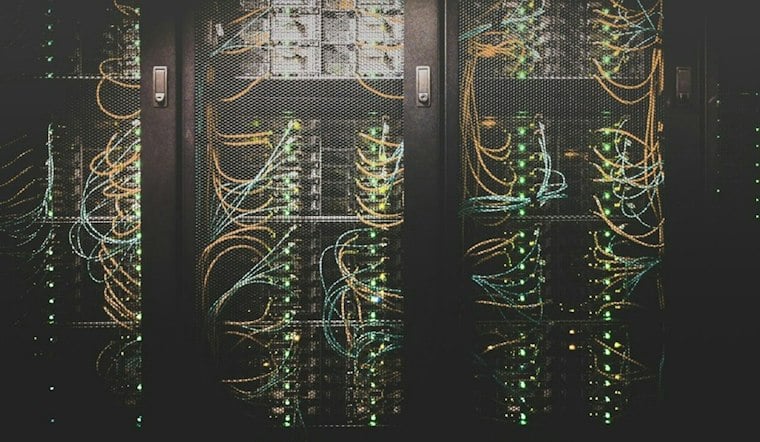
Asheville is asking residents to help shape the rules that will govern data centers within city limits, inviting the public to two virtual information sessions in December as part of a study that began with a citywide moratorium earlier this year. The sessions mark the next step in a process that will determine how — and whether — the energy-hungry server farms can be built in the city at all.
According to a search-result snippet from the Asheville Citizen Times, the two sessions are scheduled for noon on Tuesday, Dec. 1, and 6 p.m. on Wednesday, Dec. 9. The City of Asheville says community members are invited to join staff for virtual public information sessions concerning the ongoing Data Center Study. Residents who can attend will be able to ask questions and share feedback directly with staff.
Anyone who can't make either session can still weigh in: residents unable to attend the meetings can submit their thoughts by email at [email protected] or through publicinput.com/datacentersstudy, and they can also sign up for email updates through that same site.
How Asheville Got Here
The push for formal rules traces back to a unanimous vote. Asheville City Council approved a one-year moratorium on data-center development within city limits at its June 23 meeting, according to Mountain Xpress. At the time, the city said there were no current applications to build data centers in Asheville — the pause was framed as a chance to get ahead of the issue rather than respond to a specific project.
The moratorium was meant to give the city time to study and develop policies for the potential impact data centers could have on issues such as water consumption and energy use, the outlet reported. Per the Raleigh News & Observer, Asheville plans to release proposed data-center rules in January 2027, with the draft heading to the city's Planning and Zoning Commission the following month and City Council expected to give final approval by the end of June 2027.
What Residents and Officials Are Saying
City officials have framed the study as an effort to protect public infrastructure while still gathering input before anything is finalized. Per the News & Observer, the city's Data Centers Study webpage states that reasonable concerns will be considered when draft regulations are developed. During council deliberations earlier in 2026, Asheville residents largely supported the moratorium, raising concerns about environmental impacts, upward pressure on electricity costs, and limited economic benefits for the community, the paper reported.
Those concerns have carried into city politics. Kim Roney, now Asheville's mayor-elect, listed protecting the city from data centers as a top platform item, saying corporate-profit-driven AI growth is putting pressure on the electric grid, water, and land. She has also said her support for a Costco in Enka was partly motivated by a desire to keep a data center out of that area. Council member Maggie Ullman, who won another term, said she would not let Asheville become a warehouse district for AI. Drew Ball, who works for the Natural Resources Defense Council and won a council seat, and Antanette Mosley, also newly elected, round out a council that has made the issue a visible priority.
Grid and Water Worries Extend Beyond City Limits
The anxieties driving Asheville's policy work mirror a broader regional debate. A Sunrise Movement WNC policy lead told WLOS she's concerned about the impacts data centers could have on water infrastructure and the electric grid. Those stakes extend statewide: Duke Energy is pursuing a natural-gas buildout it says is intended to support a deluge of new data centers, WFAE reported, including a rezoning request in Davidson County covering 1,600 acres previously designated as rural agricultural land.
State lawmakers have taken notice too. A North Carolina proposal described by WRAL would set rules on data-center water use and ownership, along with where facilities can be built, as the state grapples with how to keep rising utility costs from landing on ordinary ratepayers.
A Patchwork of Local Rules Across Western North Carolina
Asheville is far from alone in grappling with the issue. Boone, Woodfin, Hendersonville and Marshall have all passed data-center moratoria or regulations within the past year, according to the News & Observer. Woodfin adopted a 12-month moratorium in May while it reviews its development regulations, Mountain Xpress reported, and Black Mountain approved new zoning standards while directing staff to draft a possible moratorium of its own. Weaverville, meanwhile, approved restrictions on data centers and cryptocurrency mining facilities in April.
Other communities have gone further or chosen a different path entirely. Brevard adopted permanent zoning regulations governing data-center development rather than a temporary moratorium, per WLOS. Canton is preparing new data-center rules before its own moratorium expires in February 2027, while Cherokee County leaders are considering a moratorium of their own, the News & Observer reported. A photograph accompanying that report shows Katherine Taaffe, who is from the Peachtree community near Murphy, protesting data centers in Young Harris, Georgia, on Nov. 10.
City leaders have said the stakes of getting the rules right are high. Chris Collins said the study aims to steward natural resources and public utilities and establish enforceable standards for high-density data centers, according to the News & Observer, adding that public input is critical to making proposed zoning regulations reflect community values and local priorities. The December sessions offer the first formal chance for residents to shape that input before draft rules take shape in January.



