

























































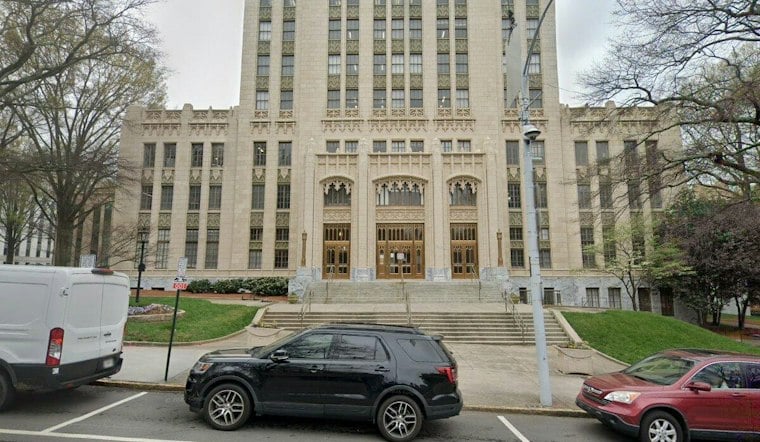
Atlanta residents with overdue water and sewer bills have a new window to get help starting today, as the city's Department of Watershed Management relaunched its FLOAT assistance program for single-family residences. The initiative offers payment plans, possible fee waivers, and one-time grants or credits to households behind on their accounts, but officials are pairing the relief with a warning: once the program ends, the city plans to ramp up shutoffs sharply.
What FLOAT Offers This Time Around
FLOAT, which stands for Flexible, Levels, Options, Affordable Terms, is described by the city as a comprehensive assistance program for single-family residences with past-due balances, according to a news release from Atlanta's Department of Watershed Management. The program’s own page lists possible account adjustments, interest-free terms, and one-time grants or credits, per the department’s FLOAT program page.
As reported by WABE, this version of FLOAT differs meaningfully from the one Atlanta ran in late 2022: eligibility back then required water debt over $300, while the 2026 relaunch targets single-family residential customers with balances at least 60 days overdue, with repayment periods up to 36 months and down payments starting at 2.5% of the outstanding balance. WABE attributed the 2.5% figure to interim Deputy Commissioner Chiquita Barkley. WSB-TV, meanwhile, reported the program is aimed at accounts 61 days overdue. Barkley has emphasized that the benefits are not automatic, telling WABE that FLOAT is not blanket forgiveness of water or sewer charges, and that applicants must meet in person with a collection agent before any requested billing corrections can be assessed.
A Short Window and a Looming Deadline
Applications opened today, November 2, and will close January 31, 2027, per WABE’s reporting. Chiquita Barkley has said the program can offer interest-free repayment plans stretching up to 36 months. The city has set up five locations where residents can schedule FLOAT sign-up appointments, and WSB-TV reported that customers can also book appointments online or by calling 404-546-0311.
Commissioner Greg Eyerly framed the relaunch at a press conference on Monday, saying single-family residences account for both the largest number of delinquent city accounts and the largest dollar amount unpaid. “Float is one way to address the debts of single-family residences,” Eyerly said, according to WABE, adding that the program is meant to connect residents to resources and solutions rather than disconnect them from essential services. He also said unpaid water bills shortchange neighbors and put Atlanta’s future at greater risk and uncertainty, noting the water utility is ratepayer-funded and that its infrastructure needs additional investment. Per WABE, the Department of Watershed Management is funded solely by revenue from its own services rather than general city funds.
Shutoffs Expected to Surge After FLOAT Ends
Eyerly has also been direct about what comes next. WABE reported that heavy residential collections and shutoffs will resume once FLOAT concludes, with the department planning to increase residential shutoffs from roughly 60 per week to more than 300 per week. The Department of Watershed Management is currently focused on commercial accounts, Eyerly said, with multifamily accounts planned as the next target, though the department has not announced its enforcement strategy for corporate and business water debt.
Atlanta also offers eligible senior citizens a discount on water and sewer bills, according to the city’s account review request page. Separately, PromisePay is another program offered by the department.
The Debt Behind the Push
The relaunch follows a contentious debate over just how large Atlanta’s delinquent water debt actually is. The city’s auditor reported that the delinquent balance for water and sewer services grew from $198 million in June 2023 to $236 million across 60,168 accounts as of April 2026, according to the City Auditor's Office, which noted that figure grew 19% despite nearly $62 million in write-offs. The audit also found that delinquencies 90 days or older, which the department considers 95% unrecoverable, totaled nearly $200 million as of March 2026.
But the department's own internal estimate put the delinquent balance closer to $184 million, a roughly $50 million gap that City Auditor Stephanie Jackson said staff could not support with data, as reported by Atlanta News First. The department attributed the discrepancy to timing differences in when and how the data was extracted.
The audit also spotlighted some notable commercial names tied to past-due accounts. The Atlanta Journal-Constitution reported that one Atlanta Chick-fil-A location owed nearly $500,000 in past-due water bills, though the company said the store was current and its owner-operator was contacting the city about a discrepancy. Ponce City Market was also listed with a nearly $200,000 balance, which its developer said had since been paid. Fulton County was separately identified in the audit as owing past-due water bills, per the same reporting.
Billing disputes have shadowed the city's collections efforts before. CBS Atlanta reported that one business owner, Jeff Raw, received a city bill showing a $29,695.67 balance in May 2023, only for a department email to later list a corrected balance of $219.24 — a case the outlet said helped inspire new city legislation. That same report noted United Way of Greater Atlanta's 211 Contact Center fielded 829 requests for water-bill assistance across its 13-county service area in 2026, down from 1,012 during the same period in 2025.




