

























































At a retirement community in Atlanta, a dozen or so residents spend their days flattening grocery bags, looping them together, and weaving them into sleeping mats meant for people who have nowhere else to sleep. The project is called Mats Matter, and it began with one resident who noticed someone sleeping rough near downtown Atlanta and decided he couldn't just walk past it.
That resident was Peter Paulsen, who was 82 years old when he brought the idea to his retirement community after noticing people experiencing homelessness near downtown Atlanta, according to a report from localmemphis.com. Paulsen has since passed away, but the project he started keeps going. Before his death, he said the effort keeps hundreds of thousands of plastic bags out of the trash stream and connects residents with people they may never meet, per the same report.
From Grocery Bags to Sleeping Surfaces
The process is deliberate and labor-intensive. Residents involved with Mats Matter collect plastic bags, then prepare them by flattening and looping them together before weaving the loops into finished sleeping mats, the outlet reports. Resident Sherill Terry described the work as collecting, flattening, and chaining bags into a ball, and said each preparation phase matters in getting to the actual weaving process. Fellow resident Betsy Hoddinott said she keeps a bathtub in her condo full of plastic bags waiting to be turned into material.
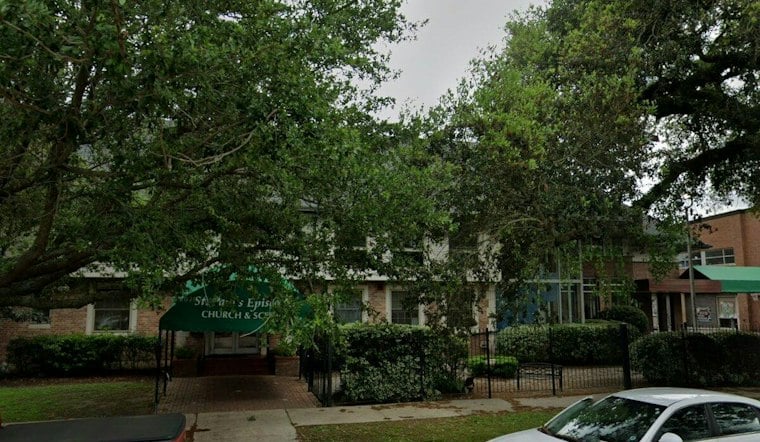
Each finished mat requires between 500 and 700 plastic bags, according to the reporting. That kind of bag count isn't unique to Atlanta — a separate group at the Northport Community Center in Tuscaloosa, Alabama, reported needing around 750 bags and three to four weeks to finish a single three-by-six-and-a-half-foot mat, according to wbrc.com. A ministry at St. Paul's Episcopal Church in New Orleans has reported a similar range of 600 to 800 bags and about 30 hours of work per mat once the plastic yarn is ready, per the Episcopal News Service.
A Sturdy, Waterproof Shelter Against the Elements
What makes these mats valuable isn't just that they're free to produce from discarded material — it's what they do once they're in someone's hands. The mats provide a sturdy, waterproof surface that can offer a dry place to rest and help protect people and their belongings from rain, according to the Atlanta reporting. Mats Matter works with another local group to distribute the finished mats, though that partner organization isn't identified in the available reporting.
Similar arrangements have taken shape elsewhere. The Tuscaloosa group plans to hand its mats over to an organization that works with unhoused residents once it finishes about 20 of them, the Tuscaloosa report notes. In New Orleans, St. Paul's donates its finished mats to Covenant House, a homeless shelter that then distributes them to people who visit, according to the Episcopal News Service account. That same report noted homelessness in New Orleans rose 7% in 2025 from the year before, with 1,563 people known to be unhoused in that city — a local statistic specific to New Orleans, not a figure describing Atlanta or Georgia.
A Project That Outlived Its Founder
Before he passed away, Paulsen saw firsthand that the mats were reaching people. While on his way to worship sometime this year, he spotted a person carrying one of the group's mats on his back, a moment that underscored for him why the work mattered. Residents say the project has created a sense of community among the people making the mats, not just among those who eventually receive them.
About a dozen residents began making the mats after Paulsen's idea took hold, and those involved with Mats Matter say they plan to keep collecting, preparing, and weaving plastic bags going forward. The project remains rooted in that original spark — one man noticing a need near downtown Atlanta and deciding his neighbors could do something about it with nothing more than trash bags and time.





