

























































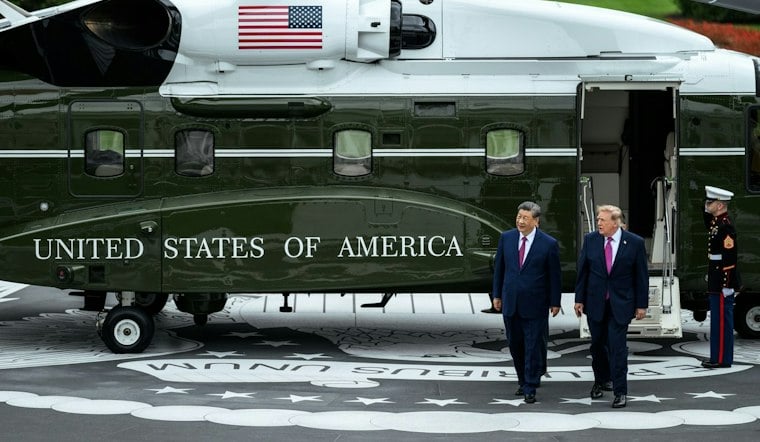
Sen. Tammy Baldwin’s proposal to end China’s normal trade status would change the tariff treatment of Chinese imports, not simply extend the current tariff truce. The bill would give the U.S. government one year after enactment to unwind the trade relationship, a change under debate as President Donald Trump and Chinese President Xi Jinping prepare to discuss the truce later this week.
The tariff change—and its estimated costs
Normal trade relations status governs the tariff rates applied to goods from a country. The Congressional Research Service explains that non-MFN rates, which would apply without that status, are typically much higher than MFN rates. China’s permanent normal trade relations status has been in effect since 2002, according to SRN News.
An analysis by the U.S. International Trade Commission, as reported by SRN News, estimated that revoking China’s current status would raise U.S. consumer prices by 0.7% and reduce economic output by 0.2% over the long term. The analysis also estimated a 35.2-percentage-point increase in trade-weighted average tariffs. Two commissioners disputed the analysis’s framing, arguing it did not account for economic harm from granting China the status in the first place, the outlet reported. The figures are estimates of a proposed change, not observed effects.
A past tariff episode offers a comparison, not a forecast
Research on the 2018–19 U.S.-China tariff hikes suggests why the proposal’s effects could extend beyond the direct tariff bill. Federal Reserve researchers found that U.S. imports shifted from China to other trading partners, some of which were importing more of the same goods from China. Separately, the Federal Reserve Bank of St. Louis reported that importer prices for goods affected by that tariff episode rose in line with tariff increases. Those findings describe the earlier tariffs; they do not predict the specific effects of ending China’s normal trade status.
Baldwin’s bill would also direct the U.S. Trade Representative to prepare a report with the Commerce Department, the USITC and other federal bodies on trade and economic challenges posed by China, according to the Sacramento Bee. The introduction date is not consistent across the cited accounts: SRN News reported the bill was introduced on Tuesday, while the Congress.gov listing gives November 10, 2026, and says it was referred to the Senate Finance Committee. The discrepancy remains unresolved.
The proposal comes amid short-term efforts to maintain a tariff truce between Washington and Beijing. The latest extension was for two months, following a September 2026 agreement, according to SRN News. Whether Baldwin’s measure advances is separate from the leaders’ talks: it would seek to change the underlying tariff status, while the truce addresses near-term trade tensions.





