

























































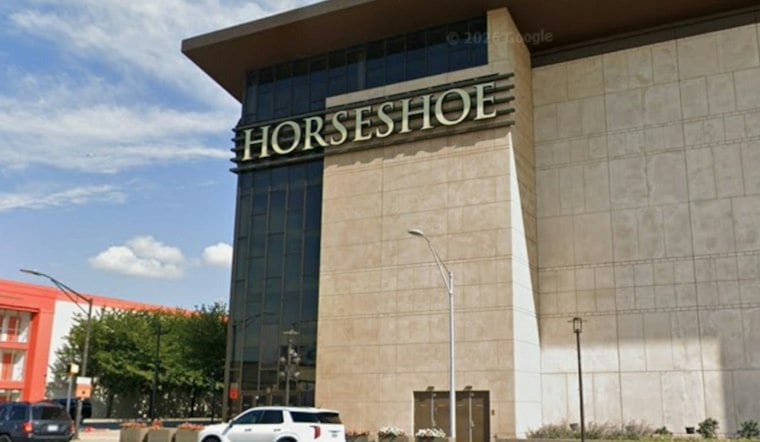
A blackjack dealer at Horseshoe Casino Baltimore collapsed on the gaming floor in April 2023, was rushed into cardiac intensive care, and later needed surgery, according to Casino.org — only to find himself fired once he tried to come back to work. Now Caesars Entertainment and the casino have agreed to pay him $150,000 to settle a federal disability discrimination lawsuit.
The dealer, identified as Quann Massey, worked at Horseshoe Casino Baltimore before his heart attack forced him into extended medical leave, according to Gambling News. As reported by the outlet, Massey eventually asked his employer about returning under an alternate schedule with job modifications and accommodations. Instead, he was told he should not return to work while subject to any medical restrictions, the outlet reported.
The U.S. Equal Employment Opportunity Commission argued that Massey was then fired without notification and later refused rehire. The agency sued Horseshoe Casino Baltimore and Caesars Entertainment in December 2025 over the firing, alleging the companies violated federal disability discrimination and retaliation protections, as reported by Casino.org.
What the EEOC Said Happened
According to the EEOC, the underlying complaint centered on what happened after Massey's disability-related medical issue. In describing its own lawsuit, the agency said the casino companies did not engage in an interactive process or provide accommodations once Massey asked about returning to work — and instead fired him and refused to reinstate or rehire him, per the U.S. Equal Employment Opportunity Commission. Those are allegations laid out by the agency rather than findings independently established in the settlement itself.
Separate reporting on the case lines up with that account, as Bloomberg Law reported that the table games dealer suffered a heart attack and that the EEOC alleged he was told he could only return if he had no restrictions on his ability to work. Law360 similarly reported that Caesars Entertainment and a Maryland subsidiary agreed to pay $150,000 to resolve a suit alleging the company unlawfully fired a table dealer after he had a heart attack at work, according to Law360.
Judge Signs Off on Settlement Terms
U.S. District Judge Brendan A. Hurson approved the settlement this week, per Gambling News. The deal requires Horseshoe Casino Baltimore and Caesars Entertainment to pay the full $150,000 within 30 days, broken down as $130,000 in compensatory and punitive damages and $20,000 in back pay, as noted by Casino.org.
Beyond the payout, the settlement carries a three-year consent decree that bars future disability discrimination and retaliation and requires employee training, monitoring and reporting, according to the Capital Gazette. Under the court's order, managers, supervisors and human resources staff must complete three-hour disability discrimination training sessions, while other employees must complete two-hour sessions, Casino.org reported via Casino.org.
Ongoing Oversight for Casino Companies
The casino companies must also submit reports to the EEOC every 120 days detailing disability discrimination and accommodation requests and how they were handled, per a report from Casino.org. That kind of monitoring period is typical of EEOC disability settlements nationally — in a separate case, operators of the Downtown Grand Hotel & Casino in Las Vegas agreed to pay $720,000 and furnish other relief to resolve its own disability discrimination and retaliation lawsuit, according to the U.S. Equal Employment Opportunity Commission.





