

























































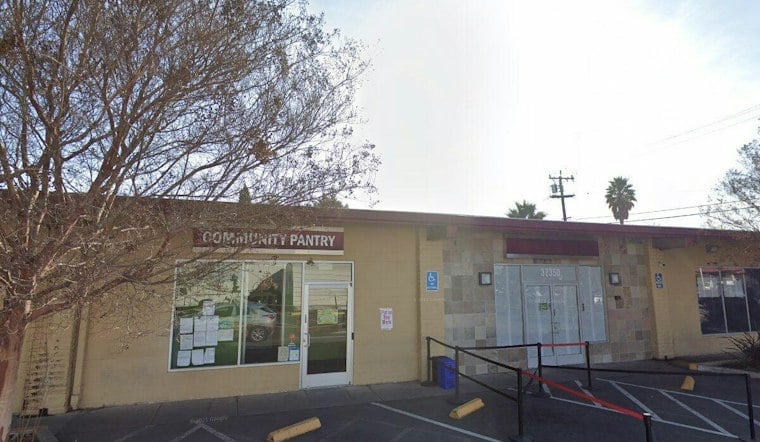
Bay Area food insecurity is higher than its pandemic-era peak, according to Tanis Crosby, executive director of the San Francisco-Marin Food Bank, even as San Francisco continues to face some of the highest costs of living in the country. The nonprofit says it is currently providing food for more than 46,000 households each week.
Tanis Crosby, the food bank's executive director, told CBS San Francisco that Bay Area food insecurity is higher than at the height of the pandemic. Crosby also discussed costs and federal policy in connection with food insecurity. The food bank's own 2025 report says the organization serves 36,000 households weekly across San Francisco and Marin, or roughly 1 in 12 households in both counties. In a separate interview with CBS San Francisco, Crosby said the food bank is currently providing food for more than 46,000 households a week.
Working Families Still Going Hungry
The food bank's 2025 report found that 68% of people enrolled in its program remain at risk of hunger, even though 67% of respondents were working.
High living costs in San Francisco and Marin place pressure on households trying to cover basic expenses.
What the Research Shows Statewide
The strain extends well beyond San Francisco's borders. More than 4 million California adults experienced food insecurity in 2024, according to the UCLA Center for Health Policy Research, which found that 47.2% of California adults with incomes below 200% of the federal poverty level said they could not afford enough food that year. The center defines food insecurity as having limited, uncertain, or inconsistent access to the food necessary for a healthy life, and traces part of the rise to the expiration of pandemic-era emergency food benefits, which were cut back in March 2023 once federal emergency orders lifted.
Crosby has called CalFresh the nation's most effective anti-poverty, anti-hunger program.
Federal Changes Add Pressure
Federal policy changes have added pressure, including expanded work requirements for some food-assistance recipients.
Crosby has said food insecurity is solvable in San Francisco.
A Food Bank Built for Scale
The organization distributes 67 million pounds of food annually and provides 56 million meals.
The organization's infrastructure has grown with demand. It expanded its warehouse in 2022 using funding secured by then-Speaker Nancy Pelosi. The site has also become something of a political touchstone: Governor Gavin Newsom announced expanded CalFresh eligibility for public university students from the food bank's headquarters in October 2026.
How San Francisco Compares
The Bay Area is not alone. UCLA findings put food insecurity among low-income adults in the Bay Area at 46%. In Fremont, the TCV Food Bank serves about 1,500 families each week and tries to give each client at least 25 meals' worth of food per visit, according to CBS San Francisco.
The strain is visible well beyond California too. CNBC reports that New York City nonprofit City Harvest found 1 in 5 New Yorkers currently experiencing food insecurity, up from 1 in 6 a year earlier and 1 in 8 before the pandemic, with average monthly visits to the city's food pantries and soup kitchens running 85% higher than pre-pandemic levels. The Los Angeles Regional Food Bank distributed 116 million pounds of food from January through September 2026, slightly topping its near-record 2025 pace, while the Atlanta Community Food Bank now serves about 270,000 households, or nearly 700,000 people, monthly — a figure its president says has jumped more than 70% in five years.





