

























































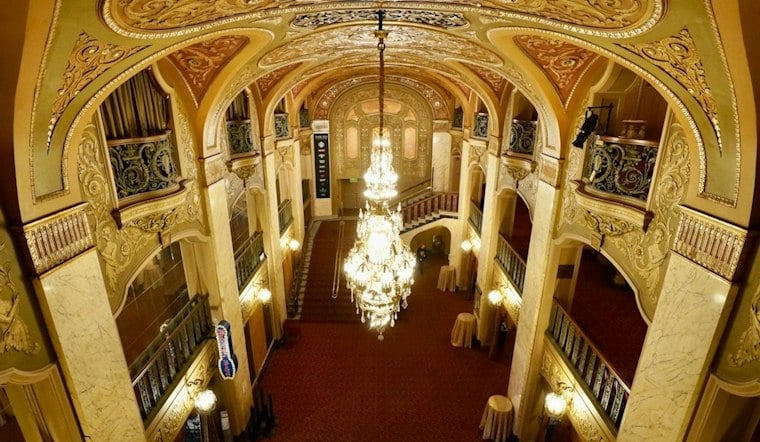
A 15-year-old singer-songwriter from Tacoma who is fully blind has turned a frustrating night at the opera into a paid job. Lyla Eileen attended Seattle Opera's Carmen with her mother and grandparents, and according to Lyla, the performance did not include audio description, the narration service that describes visual elements like sets, costumes, characters and movement for patrons who can't see the stage. She raised her concerns with Seattle Opera, and the company's response was to bring her on board.
Seattle Opera offered Lyla a paid consultant role, according to KIRO 7 News Seattle, whose reporter Madeline Ottilie covered the story. The outlet reports that the opera eventually worked through what was required to employ Lyla as a minor before formally bringing her on as a paid consultant, though the station's account does not detail the specific duties, schedule or compensation tied to the role. Corrie Yadon, Seattle Opera's senior manager of patron experience, said Lyla's time and perspective should be compensated, a sentiment that speaks to how seriously the company treated her input.
From Audience Member to Advocate
Lyla creates and performs her own music, and she uses social media, including TikTok, to share her songs and her advocacy, connecting with people of different backgrounds and disabilities, per the same KIRO 7 account.
Since raising her concerns, Lyla has also attended Seattle Opera's Salome, where she experienced costume touch access before the performance and audio description during it — a markedly different experience from her night at Carmen. Seattle Opera's costume shop manager, Kathleen Trott, oversees touch tables that let patrons handle costumes, fabrics and props connected to each production. For Salome, the touch table included a replica of John the Baptist's head, along with grass and other production-related elements, the station reports. Seattle Opera is roughly in its second full season of making those touch tables a regular offering.
A Broader Push for Accessibility
The opera now says it has a more robust audio-description program than it once did, and the company's accessibility efforts stretch back further than Lyla's story alone. Seattle Opera first introduced live audio description for patrons with visual impairments at select Sunday matinees during the 2012/13 season, according to the Seattle Opera Blog. That early version of the program was developed in consultation with the Washington Council for the Blind and Arts and Visually Impaired Audiences and was offered at no additional cost to ticket holders, with a member of the opera's education staff narrating details like setting, scenery, costumes and onstage action during four scheduled matinees that season.
More recently, Seattle Opera has been one of several Seattle-area arts organizations working to widen accessibility, instituting sensory-friendly spaces, offering Braille signage and touch tours, according to The Seattle Times. The paper also reported that the opera planned to offer sensory audience guides, created by Sparks-Keeney, for every show going forward.
Relaxed Performances Open to All
Seattle Opera also offers relaxed performances open to all patrons, which include changes to the audience environment while leaving the onstage performance itself unchanged. The opera has said these shows may benefit people with disabilities or sensory sensitivities, first-time opera audiences, and anyone simply looking for a more casual experience, and that relaxed performances do not require the audience to adapt to the institution. The company's next relaxed performance is scheduled during its holiday show, Gay Apparel, on December 17.
Seattle Opera piloted the format with a relaxed performance of Giuseppe Verdi's La Traviata on May 21, 2023, which allowed audience members to talk and vocalize during the show, as detailed in a separate Seattle Times piece. The opera said at the time that it did not change the performance in any way, but simply shifted the expectations for audience behavior, and that the approach allowed a segment of theatergoers who had previously been unable to attend to finally come to the opera.



