




















































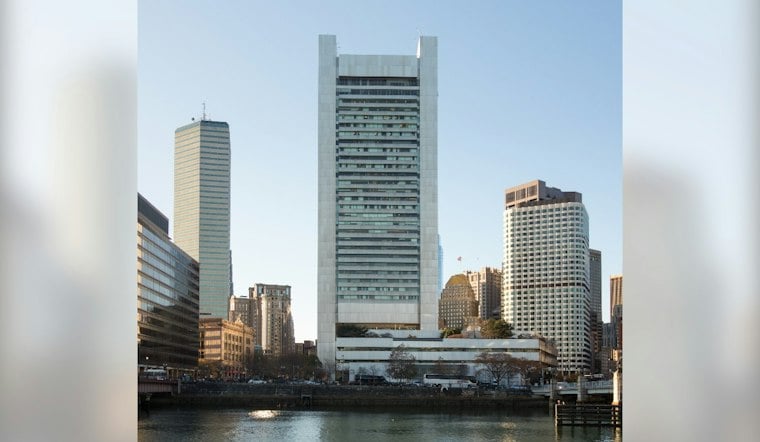
The head of the Federal Reserve Bank of Boston says the fight against inflation is worth the pain it's causing homebuyers. Susan Collins signaled Friday that tighter monetary policy may be needed to cool prices, even as she acknowledged that higher interest rates can limit housing affordability and slow construction across the country.
Collins made the case that squeezing inflation out of the economy now will pay off for housing later. According to Bloomberg, she said ensuring price stability will benefit both the housing market and the overall economy in the long run. It's a trade-off argument that puts the Boston Fed chief squarely behind continued rate pressure, even as the housing market shows real strain.
Collins was direct about the downside. Higher rates used to cool the economy and contain inflation can make homes more expensive to buy and to build, she said, a point reported by Quartz. She added that tighter policy can limit growth in the housing stock needed to ease market pressures, while also shaping whether consumers are able or willing to take out mortgages in the first place.
Shelter's Outsized Role in the Inflation Numbers
Part of why housing keeps coming up in the Fed's inflation conversation is sheer weight in the data. Shelter makes up about one-third of the consumer price index for all urban consumers, per the same Quartz report, which means swings in rents and home prices carry real influence over the headline inflation figure policymakers are trying to tame.
The Fed's rate path has already shifted this year. The Federal Open Market Committee raised its target range by 25 basis points in September and then held it at 3.75% to 4% in October, the outlet noted. The pause did not end debate over the Fed's rate path.
A Divided Fed Weighing Pace, Not Direction
Collins isn't alone in wanting rates higher. Officials at the Federal Reserve are in broad agreement that interest rates need to rise, according to the New York Times, though they remain split on how fast and how far to go. The paper also noted that inflation has overshot the Fed's 2 percent target for nearly six years, a stretch that has hardened the resolve of officials pushing for further increases.
Fresh Bureau of Labor Statistics data gave that push new fuel. Price pressures broadened out in October, the Times reported, resulting in a swifter pickup in inflation than economists had expected. Markets responded by penciling in more rate increases for 2027 than they had previously priced in.
Mortgage Rates and Home Sales Already Feeling the Squeeze
On the ground, the housing market Collins described is already struggling under the weight of borrowing costs. The 30-year fixed mortgage rate fell slightly to 7.11 percent this week, down from 7.18 percent the week before, the Times reported — a dip that still left rates firmly above 7 percent. The average 30-year rate had fallen for three straight weekly declines to 7.18%.
Sales are showing the strain. Existing-home sales fell 8.8 percent in October from a year earlier and were 5.5 percent below September's pace, per the Times, pushing the seasonally adjusted annual rate down to 3.75 million — the slowest pace since August 2010. The same report also discussed possible Fed action at its December meeting and market expectations. The 10-year Treasury yield, meanwhile, climbed above 5 percent after the inflation report was released Tuesday, according to the Times.
A Realtor.com economist cited by HousingWire warned that rising Treasury yields and rate-hike speculation could put upward pressure on mortgage rates again, adding another layer of uncertainty for prospective buyers already contending with rates well above 7%.
Collins Points to the 2000s Housing Bust as a Warning
Collins has argued that the stakes of getting this balance wrong go beyond monthly mortgage payments. She noted that higher rates have slowed new residential investment since the Fed began tightening policy in 2022, per Quartz.
She also pointed to history as a caution. Housing accounted for about 17% of GDP growth during the mid-2000s boom and about 41% of the output contraction during the subsequent bust, Collins said, according to the same report — a reminder of how deeply the sector can drag on the broader economy when it turns. For Collins, that history is part of why she believes price stability, even at housing's expense in the near term, is the safer bet for the economy overall.