

























































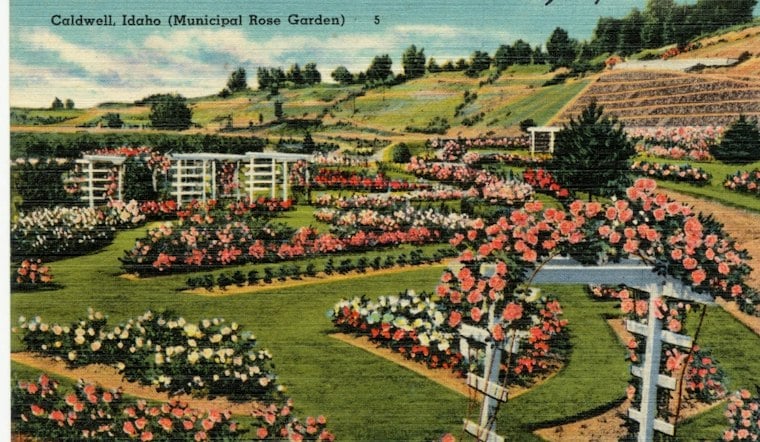
The Caldwell Municipal Rose Garden in Luby Park is set to be listed on the National Register of Historic Places, a designation that recognizes properties across the country deemed worthy of preservation as part of the National Park Service. The garden, built decades ago by Works Progress Administration workers, once held more than 5,500 rose plants and drew national attention from The New York Times.
A Depression-Era Project Rooted in One Man's Love of Roses
As reported by BoiseDev, the city of Caldwell said the national register designation recognizes the historical importance of the Luby Park rose garden and provides an opportunity to build on its legacy for future generations. Construction on the rose garden began in 1936, according to the Idaho State Historic Preservation Office, with Works Progress Administration workers helping build the space. The WPA, created during President Franklin Roosevelt's administration, provided employment opportunities and built infrastructure across the United States during the Great Depression, per the BoiseDev report.
The garden features basalt terraces constructed by WPA workers, and the project traces back to William J. Boone, founder of the College of Idaho, who loved roses. By 1939, the Idaho State Historic Preservation Office says the garden was completed with more than 1,900 rosebushes. The garden's roots go back even further by some accounts — a 2023 BoiseDev piece noted it was established around the same time as Boise's Julia Davis Rose Garden, in 1933.
A Moment of National Fame in 1964
By 1964, the garden had expanded to 5,500 rose plants representing 120 varieties, and it caught the attention of the nation's paper of record. A New York Times article from June 7, 1964 included Caldwell's garden in a roundup of rose gardens welcoming visitors for June blooms, stating plainly that “Caldwell, Idaho, has a municipal rose garden containing 5,500 plants (120 varieties).” The same article placed Caldwell alongside larger Pacific Northwest gardens, noting that “Point Defiance Park in Tacoma, Wash., has two rose gardens. Seattle's Woodland Park has only one but contains more than 5,000 plants (190 varieties).”
A draft document from the Idaho State Historic Preservation Office frames that 1964 mention as a milestone, saying the garden gained nationwide fame when it was one of four rose gardens in Western states highlighted in the Times piece. For a municipal garden in a small Idaho city to be mentioned in the same breath as major Pacific Northwest park systems was no small feat at the time.
Joining a List of Caldwell Landmarks
With the new listing, the rose garden joins the Rice House, local historic districts, St. Mary's Catholic Church, and the Caldwell Post Office on the National Register, according to the BoiseDev report. A national register listing allows qualified properties to receive preservation benefits and incentives, which could matter for a garden built nearly a century ago.
The city has also been working on related infrastructure in Luby Park. Caldwell began discussing beautification of the Luby Park pumphouse back in the 1920s, according to the city website, and more recently received a partial grant to support roof improvements to the pumphouse. The city plans to pursue additional grants for restoration and rehabilitation of the structure, and hopes further garden improvements could allow additional community events and gatherings down the road. The garden itself is already available for rent year-round, per the city website, though electricity on site is available but not guaranteed.
The BoiseDev article on the designation was written by Erin Banks Rusby, a BoiseDev reporter who focuses on municipal and growth policy across the Treasure Valley.




