

























































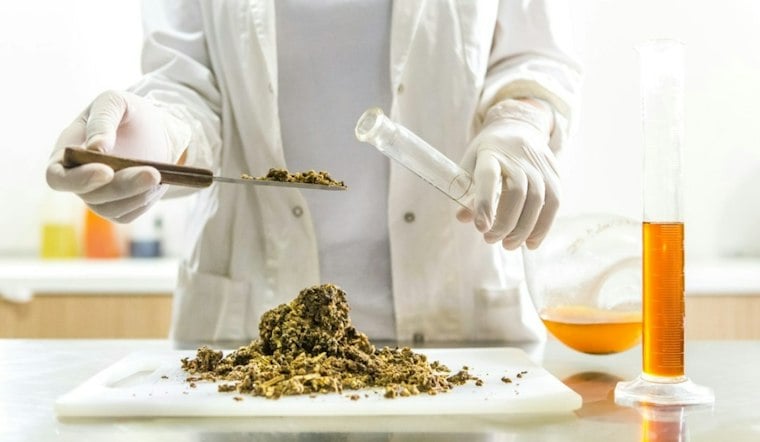
California sets minimum procedures for testing cannabis products, including a required sample size and a defined pesticide-testing framework. A separate newspaper survey tested for a broader set of pesticides, illustrating why results from that survey and the state’s routine screening are not interchangeable.
The limits of the state testing system
The Department of Cannabis Control’s final pesticide-testing rules require laboratories to analyze at least 0.5 grams of a representative sample for residual pesticides, according to the department’s final rule text. The text says laboratories must begin applying its Table 2 requirements on April 1, 2028. In reporting published Nov. 8, the Los Angeles Times said the DCC has told regulators it cannot test for every potential substance because the number of possible chemical contaminants runs into the thousands.
What the latest product testing found
The Times commissioned a separate survey of 49 cannabis products bought from licensed California dispensaries, asking three state-licensed laboratories to screen them for a combined 376 pesticides. Previously unseen chemicals considered hazardous to human health appeared in about one-quarter of the inhalable products tested—not one-quarter of all 49 products. One product contained etridiazole at a level 125 times the amount that would prompt safety testing under federal tobacco standards, the Times reported.
An earlier Times investigation offers context, but used a different sample and was a separate testing effort. In June 2024, the Los Angeles Times and WeedWeek reported buying products from dispensaries statewide, selecting some tied to complaints and others at random. The Times’ 2024 testing examined more than 370 products from 86 brands; pymetrozine appeared in 31% of samples, and the investigation identified 45 pesticides that California did not then track in cannabis. The latest reporting found significant amounts of pymetrozine in products from three brands made by the same manufacturer. California is not scheduled to add the pesticide to its screening list until April 2028, according to the Times.
Testing and enforcement are separate challenges
The Times reported that since 2024 the DCC had suspended, revoked or denied licenses for eight cultivators, manufacturers and distributors connected to pesticide-adulterated products. It had not shut down seven other operators linked to similar findings; some continued operating for nearly two years after inspectors found pesticides, the report said.
The agency had tested 35 products taken from store shelves statewide through late August, according to the Times. That figure describes agency activity, not the newspaper’s separate 49-product survey.
How recalls fit into oversight
The DCC describes recalls as a process for removing adulterated or misbranded cannabis goods from the licensed market, according to its recall guidance. A recall is a market-removal process; it is distinct from the Times’ product-testing survey and the agency’s count of products tested from store shelves.
The findings do not establish how common the detected chemicals are across all cannabis products sold in California. The 49-product survey tested for a wider set of pesticides than the state’s screening system, but its results should not be treated as representative of the full market.





