

























































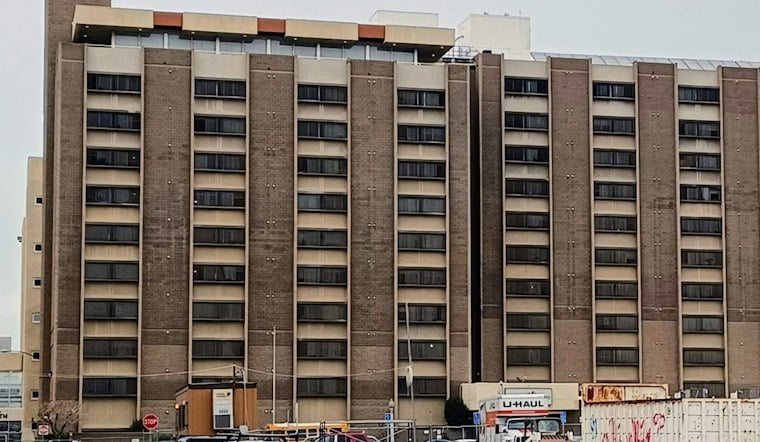
California Attorney General Rob Bonta announced a $2 million settlement Monday with Wright Equities, Inc., a Central Valley property management company accused of illegal housing discrimination. The deal directs $1.73 million to people harmed by the company's conduct and requires Wright Equities to change its practices going forward.
Bonta's office framed the settlement as part of a broader campaign to protect renters who are frequently shut out of housing because of how they pay for it. “Housing discrimination has no place in California,” Bonta said, according to a statement reported by the California Department of Justice, Office of the Attorney General. He added that California will continue to hold landlords accountable when they break the law in the state.
In a post on X, Bonta tied the case to the broader affordability crunch squeezing California renters. “At a time when the high cost of housing is already stretching family budgets, people who rely on Section 8 vouchers deserve a fair chance to find a place they can afford,” Bonta wrote
, adding that the settlement will deliver $1.73 million to people harmed by discrimination and require the company to change its practices.
A Pattern Playing Out Statewide
The Wright Equities case lands amid mounting evidence that source-of-income discrimination is widespread across California's rental market. The state's Civil Rights Department has reached more than 200 settlements related to source-of-income discrimination in recent years, a spokesperson told the Los Angeles Times. The same report detailed how the nonprofit Housing Rights Initiative filed discrimination complaints against more than 200 California landlords and their representatives, alleging they refused to rent to Section 8 voucher holders.
That organization's undercover testing found prospective tenants were told Section 8 vouchers were not accepted in 44% of tests around San Francisco, with denials rising to 53% in the Oakland area, 58% in the San Jose area, and 70% in the Los Angeles area, per the same report. Separately, the California Civil Rights Department found that in testing of 54 Southern California properties, 54% demonstrated discrimination based on the use of housing assistance programs, including explicit statements that Section 8 vouchers were not accepted.
California Law Bars the Practice
State law already prohibits housing-related providers from discriminating against renters based on their source of income, according to a fair housing guidance document published by the California Civil Rights Department. That protection is meant to cover renters who rely on vouchers like Section 8 to afford housing in a state where rents have far outpaced wages for many low-income households.
Similar Cases Elsewhere
The Wright Equities settlement follows comparable enforcement actions targeting voucher discrimination in other parts of California and beyond. The Legal Aid Foundation of Los Angeles and the Disability Rights Education and Defense Fund announced the first settlements in a lawsuit against 22 properties accused of unlawful discrimination against Section 8 tenants, with one deal including a $35,000 payment to plaintiff Robert Gardner, who alleged his voucher application was unfairly rejected. Those settlements also required owners to include the phrases “Section 8 welcome” or “We accept Section 8” in all advertisements for open units for three years, according to the foundation's account.
Outside California, a Maryland landlord faced similar consequences. Salisbury-based Disney Properties LLC agreed to pay $100,000 in civil penalties and change its rental practices after allegations of housing-voucher discrimination, WBOC reported. Taken together, the cases suggest that regulators in multiple states are increasingly willing to pursue property managers over how they treat voucher holders.
The California Department of Justice said its investigation found an 11-month lease requirement that disqualified voucher holders, steering voucher holders to certain properties, and concealing or misrepresenting eligibility requirements. The office has not outlined how eligible recipients of the $1.73 million will be identified or paid. Wright Equities has not issued a public response to the settlement.





