

























































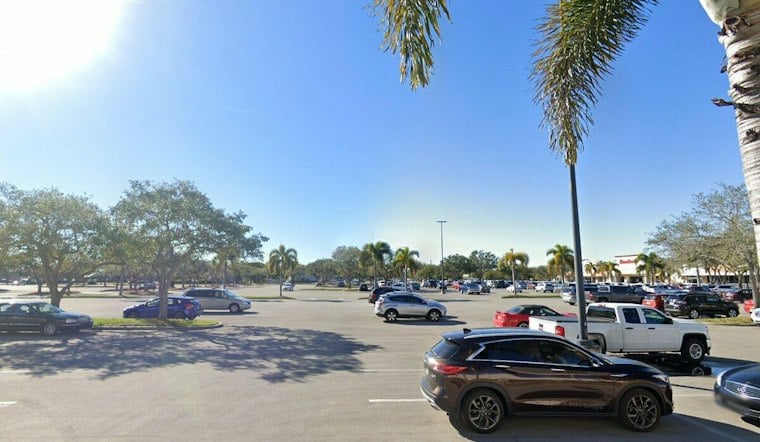
A 131-acre stretch of land along SW Pine Island Road in Cape Coral is being cleared for what the city calls an emerging outdoor town center, and not everyone in the neighborhood is cheering. Cape Coral Grove is planned as a mixed-use development anchored by retail, dining, entertainment and residential space, but residents interviewed describe a split between those eager for more walkable options and those who worry the city can't support what's coming.
A Town Center Years In The Making
City documents describe Cape Coral Grove as a walkable, open-air mixed-use project anchored by retail, dining and leisure uses alongside vertically integrated multi-family residential units, according to an ordinance description reported by Cape Coral Breeze. The site sits on the north side of SW Pine Island Road between Chiquita Boulevard and Burnt Store Road, according to a city presentation dated Aug. 20, 2025. Per the same presentation, the project covers approximately 131 acres and is being developed by L&L Development Group in partnership with Claure Group, with plans that include retail and entertainment opportunities. As reported by Florida Weekly, the project has faced past timeline setbacks, and that outlet's search-result snippet points to a January 2027 groundbreaking, though that date has not been independently confirmed in opened primary-source documents.
Construction is set to happen in phases covering roads, utilities, storm drainage and water-management ponds, according to the ordinance description reported by Cape Coral Breeze. The first phase, which Florida Weekly reports includes the initial town center segment, outparcels and the first phase of apartment complexes, is projected to last approximately 18 months. An L&L Development spokesperson told WINK News, “We continue to progress on the extensive pre-construction work” to support infrastructure and prepare for vertical development, adding that the company is “actively working with the City of Cape Coral on approvals and coordination.”
Incentives Tied To Future Tax Revenue
The financial backbone of the project has shifted since it was first approved. Cape Coral City Council approved a $123 million Enhanced Property Value Recapture Grant for the project in August 2024, according to Cape Coral Breeze. A year later, the city's own Aug. 20, 2025 presentation listed a revised total incentive award of $96,437,702, with eligible EVR grant expenses reduced from $122,993,856 to $86,437,702 and parking garages removed from the project scope entirely.
Cape Coral's economic development manager, Sharon Woodberry, said the tax incentives are performance-based and tied to taxes actually generated by the project site, per Florida Weekly. The developer must still pay property taxes, and the city will reimburse a portion of what's generated at the site — but will not draw on homeowners' taxes to do it, according to Florida Weekly. The city's presentation describes the revised EVR grant as reimbursing 95% of the city's share of new ad valorem taxes for up to 25 years or until the grant cap is reached, with payment contingent on new taxable value actually landing on the tax rolls.
Projected Impact Versus Resident Skepticism
The city projects Cape Coral Grove will generate $1.3 billion in economic impact, based on IMPLAN modeling — a national economic input-output system used by the city — though the Aug. 2025 presentation adjusted that estimate downward to $1,176,888,401 from an earlier figure of $1,197,785,192. Woodberry told Florida Weekly that Cape Coral lacks many walkable locations serving entertainment, shopping, dining and recreation needs, and the development is expected to increase annual tourism to the city.
Not every resident is convinced the numbers add up. Joe McClain Sr., 69, who has lived in Cape Coral almost 10 years, said he believes the city has too few people to support the development, per Florida Weekly. He pointed to the Coralwood Shopping Center, saying half the businesses there close before 5 p.m., and estimated that 12 to 15 nearby duplexes sit empty. McClain opposes the development partly because of existing traffic problems and said crowding has made him consider relocating.
Victoria Thomas, a 33-year-old small business owner and 15-year Florida resident, raised a similar concern about vacancy, saying existing apartment buildings in the area remain empty, according to Florida Weekly. Thomas opposes what she views as unnecessary commercialization of the area and said she believes visitors value Florida's beaches, animals and atmosphere over commercial development. She's also worried about large corporations and developers profiting from buildings that could remain empty.
Traffic Concerns Meet City Reassurances
Todd Jaskiewicz, 44, who has lived in Cape Coral over seven years, offered a more mixed take. He said closer dining and shopping options are needed in north Cape and south of Pine Island Road, but is concerned about how the development may affect local traffic, per Florida Weekly. Jaskiewicz said effective planning can manage the project's traffic impact if the city gets it right.
Woodberry pushed back on worries about congestion, telling Florida Weekly that the project will provide alternative traffic routes and that additional shopping options can disperse traffic and reduce the need to travel over the bridge. She also said the developer expressed confidence in a January groundbreaking that would start with infrastructure improvements. For now, vegetation along Pine Island Road is being cleared to make way for construction, even as residents remain split on whether Cape Coral Grove will solve the city's lack of walkable gathering spots or simply add another half-empty development to the list.




