

























































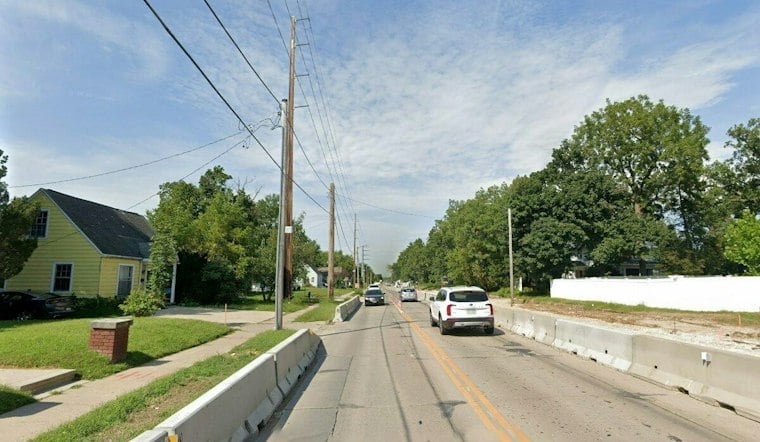
A traffic stop on Cedar Rapids' southeast side turned into a county-spanning chase Wednesday evening, ending with a deputy's patrol car intentionally rammed and a 32-year-old man taken into custody. Linn County deputies say the ordeal started with a routine stop and escalated fast, eventually pulling in help from two other law enforcement agencies before it was over.
According to the KWWL report on the incident, a Linn County deputy pulled over a car for a traffic offense in the 2300 block of Mount Vernon Road on Wednesday. The driver took off instead of stopping, kicking off a pursuit that Linn County deputies carried out across the county that evening.
The chase did not stay confined to one jurisdiction. Per the same report, the pursuit wound through parts of southeast Cedar Rapids before heading back into Linn County.
The chase also falls within a pursuit system that Linn County says is subject to review: county administrators examine every pursuit and use-of-force incident, including video, according to Linn County Sheriff’s Office Maj. Chris Smith. Smith said the office averages five to 10 pursuits a year, though the number varies. That review process provides local context for a chase involving multiple agencies and a tire-deflation device, though the sheriff’s office has not publicly described a review of this specific incident. Linn County’s pursuit review practices were discussed in a July investigation.
Patrol Car Rammed, Then a Tire Deflation Device
At some point during the pursuit, the driver rammed a deputy's patrol car, an act the Linn County Sheriff's Office described as intentional, the station's report notes. Deputies eventually deployed a tire deflation device in the 7100 block of Mount Vernon Road to try to bring the chase to an end.
The car came to a stop at the intersection of Mount Vernon Road and Highway 13, according to the same account, finally putting an end to the pursuit that had taken the driver through parts of southeast Cedar Rapids before heading back into Linn County.
Driver Identified, Charges Filed
Deputies identified the driver and sole occupant of the car as 32-year-old Myles Tesdahl of Cedar Rapids. He was taken into custody without a struggle and transported to the Linn County Correctional Center, the report states.
Tesdahl is facing several charges stemming from the incident, including fleeing from police, assault on a law enforcement officer using a car, drunk driving, interfering with official acts, and additional traffic offenses, per the same report. The Iowa State Patrol and the Cedar Rapids Police Department both assisted the Linn County Sheriff's Office during the pursuit, lending manpower to a chase that crossed jurisdictional lines before it ended.
The allegation that the patrol car was rammed intentionally is legally significant: Iowa appellate courts have examined whether a vehicle collision during flight was an assault or merely incidental to an attempt to escape. In one case, the court found the evidence insufficient to prove intent for an assault-with-a-dangerous-weapon conviction when the impact was incidental to fleeing; a later case distinguished those facts when a driver accelerated from a stop into an occupied vehicle. The 2021 appellate decision discusses both cases, underscoring that the circumstances and evidence matter.
Iowa law makes willfully eluding an officer after a visual and audible stop signal a serious misdemeanor; eluding while driving at least 25 mph over the speed limit is a Class D felony, with a higher penalty for a repeat offense. The law sets out those distinctions separately from other charges in the case, and the account of this pursuit does not specify the speeds involved. The 2026 Iowa Code’s eluding provision establishes the thresholds and penalties.





