

























































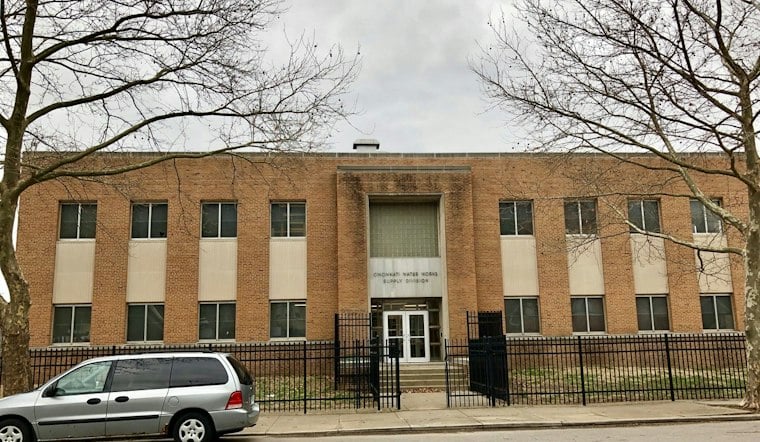
Cincinnati water customers are bracing for another round of rate hikes after Greater Cincinnati Water Works asked the city to approve a 9.5% increase in water rates in each of the next five years. If city leaders sign off, it would mark the latest in a string of annual increases that have been hitting bills since at least 2022.
According to Cincinnati.com, Greater Cincinnati Water Works is asking the city to OK the 9.5% annual increase, though it remains unclear whether city council has acted on the request. Rate payers will feel the pain if the hikes go through, especially layered on top of recent increases. GCWW's own service-charge page notes that a 5.55% water-rate increase already took effect for customers on January 1, and Axios has reported that the utility raised rates 3.75% in 2022, followed by annual 5.55% increases through this year.
Why Costs Keep Climbing
Some of the pressure on rates is coming from federal regulations, not just local infrastructure needs. Local 12 reported that the Environmental Protection Agency issued new national drinking-water regulations lowering the allowable amount of PFAS, or forever chemicals, with the new standards set to take effect in five years. That timeline lines up closely with the five-year rate-hike request now before the city.
One of the biggest cost drivers tied to those federal rules is the Charles M. Bolton plant in Fairfield, which draws water from the ground and does not have the newer filtration system other GCWW facilities use, the station's report notes. City Manager Sheryl Long gave a preliminary estimate of more than $100 million to install treatment at that one plant. GCWW treatment superintendent Jeff Swertfeger discussed funding and rate increases. Per the same report, Cincinnati City Council would need to approve any rate increases to cover the new costs.
Lead Pipes Add to the Bill
PFAS treatment isn't the only expense weighing on the utility's budget. Axios has reported that GCWW's lead service-line replacement program is also baked into its spending plans, with grants and loans helping offset costs where possible. The outlet noted that Axios and the city formally marked the removal of the 10,000th lead service line since 2018 earlier this year, a milestone in a replacement effort that continues to compete for dollars alongside the PFAS upgrades.
The average residential water bill in the city is about $37 a month for roughly 6,200 gallons, plus service fees, according to Local 12. That baseline helps explain why even single-digit percentage increases add up for households already paying close attention to utility costs.
A Familiar Pattern of Incremental Hikes
The new 9.5% request would represent a steeper annual jump than the 3.75% increase in 2022 and subsequent annual 5.55% increases.
What remains unresolved is the full scope of the newest proposal and whether it has cleared city council. The $100 million plant estimate is still described as preliminary, and the final project cost and how it will be divided among funding sources have not been confirmed. For now, Cincinnati water customers are left watching to see how much of the PFAS and lead-pipe bill ends up on their monthly statements.




