

























































Cleveland City Council unanimously approved a resolution Monday that throws the city's weight behind unionized Starbucks baristas, barring the use of city funds on Starbucks products until the coffee giant reaches a first contract with its workers. The vote makes Cleveland the latest city to formally endorse a boycott that has already drawn similar action elsewhere around the country.
What Resolution 1466-2026 Actually Does
Resolution 1466-2026 expresses solidarity with Starbucks baristas seeking their first labor contract and bars the use of city funds on the company's products until an agreement is reached, according to Cleveland 19 News. The measure was introduced by council members Tanmay Shah, Austin Davis and Joe Jones, and every council member present ultimately signed on as a co-sponsor. The resolution also urges Cleveland residents, neighboring communities and Mayor Justin Bibb's administration to join the boycott.
The resolution cites figures showing more than 12,000 workers at over 700 U.S. Starbucks locations have unionized over the past five years. Union leaders behind the push say Starbucks has refused to bargain in good faith, and they contend the contract workers are seeking would cost the company less than a day of sales, per the same Cleveland 19 report.
Baristas Describe What They're Asking For
Starbucks Workers United has framed its national boycott campaign around a specific set of demands: a minimum $17-per-hour wage, enough hours to live on, better staffing in stores, and basic workplace protections, according to Truthout. Starbucks has said it remains committed to engaging in productive bargaining and has pointed to its existing pay and benefits as evidence of its commitment to workers, the outlet reported.
The company's account of the standoff has not gone unchallenged. A Starbucks spokesperson told Signal Cleveland that the union chose to walk away from the bargaining table — a characterization that stands in direct contrast to union leaders' insistence that Starbucks is the side refusing to negotiate honestly.
A Local Barista's Perspective
Shay Singh, a Cleveland Starbucks barista of five years who uses they/them pronouns, thanked the council for backing the boycott. Singh said Cleveland is joining Philadelphia, Atlanta and St. Louis in taking similar stands, according to Cleveland 19's report. Council member Tanmay Shah said Starbucks workers deserve more, arguing baristas cannot survive on low wages, insufficient hours and terrible benefits.
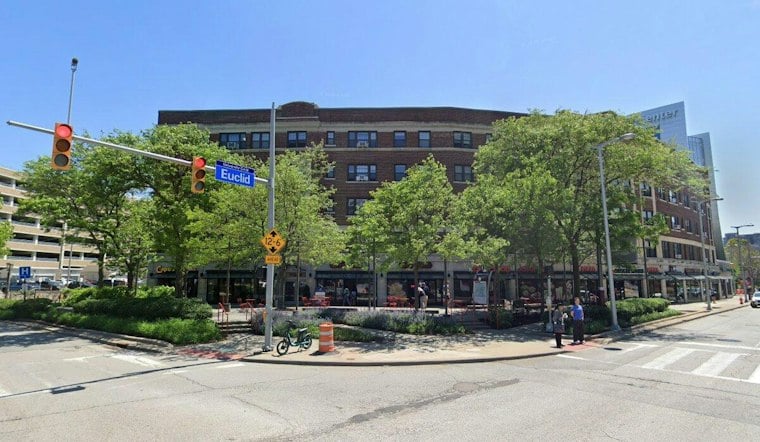
Organizers said workers and supporters planned to rally at 3 p.m. Tuesday outside the Starbucks location at 11328 Euclid Avenue near University Circle. The demonstration is part of a broader campaign that, per the Guardian, has included baristas, students, elected officials and allies planning rallies at more than 40 U.S. college campuses. Cornell University and Pomona College did not renew their Starbucks contracts, and UCLA stopped offering Starbucks products in its cafes amid the union campaign, the Guardian reported.
Cleveland Joins a Growing List of Cities
Philadelphia City Council voted unanimously to endorse a nationwide Starbucks boycott, pledging not to use city funds at Starbucks until the company reaches a contract agreement with workers, according to the Philadelphia Inquirer. That resolution was described as ceremonial, without the force of law and not requiring the mayor's approval, the paper reported. Atlanta City Council, meanwhile, voted 11-3 to endorse its own boycott, pledging not to buy Starbucks products until the company finalizes a fair contract with unionized baristas, as reported by the Atlanta Journal-Constitution, which noted the vote sparked broader debate over whether elected officials should wade that far into an ongoing labor dispute.
The union's boycott campaign traces back to Starbucks Workers United's call in August for a nationwide boycott to last until an agreement is reached, the Inquirer reported. Baristas have been organizing since 2021, and more than 700 Starbucks locations have unionized since then, representing roughly 5 percent of the company's workforce, according to Truthout's reporting.
Why First Contracts Take So Long
Delays like the one frustrating Cleveland baristas are not unusual in newly unionized workplaces nationally. A 2022 study of Bloomberg Law labor data found that employers with newly unionized shops stall for an average of 465 days to negotiate a first contract, according to the American Prospect. That timeline helps explain why workers and allied city councils have turned to boycotts and public pressure campaigns rather than waiting out negotiations.



