

























































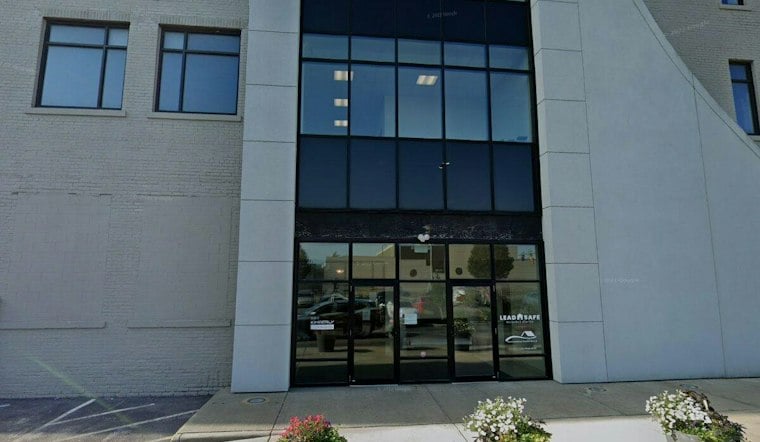
Cleveland’s application for $7.8 million in federal lead-hazard funding was denied after a HUD risk review. The decision comes as the city reports faster progress on its existing lead program: it completed work on 100 housing units in the past year, compared with 40 units over the previous five years.
HUD Weighed Grant Management and Performance
According to Signal Cleveland, federal officials rejected the city's application for the new lead grant after a risk review rated Cleveland too risky to manage the money. The U.S. Department of Housing and Urban Development denied the application following that review, which considered current and past performance, the city's experience managing federal awards, reporting timeliness, achievement of planned goals, audit findings and timely completion of activities. The grant would have paid to remove or mitigate lead hazards in properties where young children or pregnant women live.
Council Member Kris Harsh, vice chair of the development, planning and sustainability committee, called the decision “Terrible news,” according to Signal Cleveland, saying the city needs “every dollar it can get and spend to stop lead poisoning.” Community Development Director Arin Miller-Tait described the decision as disheartening given Cleveland’s needs. She said she could not definitively say how much concerns about council spending influenced HUD’s decision.
Existing Grants Have Improved, With Deadlines Ahead
The new denial follows a period of concern over Cleveland’s active lead and housing grants. HUD rated all three red in March 2025, indicating the city was not completing enough work or spending funds quickly enough. Miller-Tait said HUD later moved the grants to yellow or green. The city now anticipates spending more than 90% of its citywide and healthy homes grants and 70% to 90% of its Glenville grant.
The grants have different closing dates: Cleveland’s $9.7 million Glenville lead-hazard grant is scheduled to close at the end of this month, while its $5.7 million citywide lead-hazard grant is scheduled to close in July 2027 and its $2 million healthy homes grant is scheduled to close in June 2027. The healthy homes funding covers issues including mold and unsafe wiring. The city has not been able to say with certainty how much of each grant has been spent or will be spent, Signal Cleveland reports.
The Denial Sits Alongside Broader Federal Oversight
Cleveland’s grant-management concerns extend beyond lead funding. The city receives millions of dollars annually through the Community Development Block Grant program for work including affordable housing, blight elimination and economic development; it received $7.4 million in CDBG funds in 2025. An independent law firm found that the city distributes a lump sum of block-grant funds to each council member without requiring spending plans in advance, making the funds difficult to track. The firm warned HUD could stop or significantly reduce the city’s block grants if the problems are not addressed. Federal concerns also included insufficient public participation in spending decisions.
City and Council Are Working on CDBG Changes
Miller-Tait said her department faced reporting challenges and inadequate internal controls, and that she alerted Mayor Justin Bibb to the federal concerns in August. City Council is developing a proposal to change the CDBG process to meet HUD’s requirements. At two committee hearings at the end of October, city staff presented a new process for council members to request project funding.
Jorge Ramos-Pantoja said the council president was briefed as soon as HUD’s letter arrived. He said the hearings addressed the CDBG process, not the lead-grant decision; city staff did not discuss that rejection directly at the hearings.
Harsh said he doubted the council’s block-grant allocation practice caused the lead-grant denial, noting that the practice had been unchanged in years when Cleveland received HUD lead funding. He said the city needs to sustain lead-abatement work and regain HUD’s confidence, while expressing optimism about the council’s proposal.
A Longstanding Local Need
Local Rules and Lead-Exposure Trends
The City of Cleveland says the age of its housing stock and disinvestment contribute to children’s susceptibility to lead poisoning; housing age alone, however, does not establish that a particular home has a lead hazard. Separately, the city’s rental Lead-Safe Certification process requires owners or agents to hire an independent contractor to conduct a Lead Risk Assessment Inspection and submit the report to the city, according to the City of Cleveland. The Cleveland Department of Public Health’s October 2024 data brief says the percentage of blood lead tests at or above 3.5 μg/dL among children ages 1-5 declined from 2005 to 2019 and was stable thereafter; that city trend does not establish how Cleveland compares with Ohio overall. HUD Exchange says the department’s Office of Lead Hazard Control and Healthy Homes funds state and local governments to develop cost-effective ways to reduce lead-based paint hazards.
Cleveland has one of the country’s highest lead-poisoning rates, and children in the city test positive for elevated blood lead levels every year. The Lead Safe Cleveland Coalition’s grant program has a wait list, reflecting demand that current resources cannot meet. Cleveland is seeking other funding for lead mitigation and preparing for HUD’s next application round, whose timing is unknown. The city is also asking the federal government whether it can appeal the denial and expects to attend a debrief to learn where HUD scored its application well and poorly.





