

























































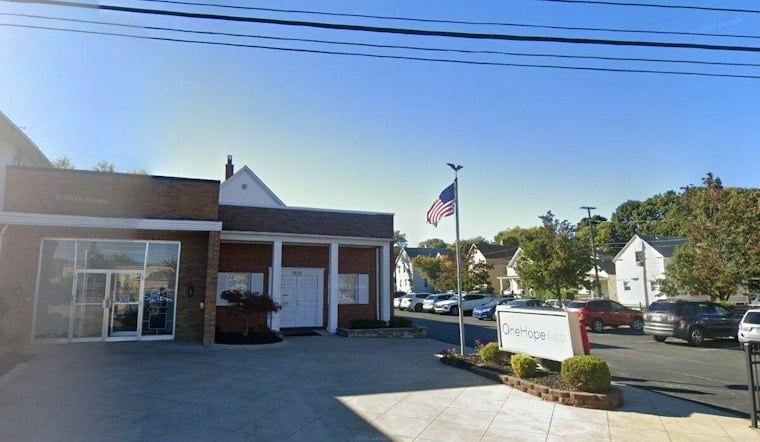
Residents at a Near West Side community safety meeting on Oct. 13 raised concerns about trash tickets, slow nuisance-property enforcement and what one person described as a four-year wait for the city to resolve complaints. The gathering at OneHope NEO included police, fire and community relations representatives, as well as Cleveland Housing Court Administrative Judge Cheryl Wiltshire. Her warning to residents about unpaid tickets and court was among the meeting’s central concerns.
A Judge's Warning on Trash Tickets
According to Signal Cleveland’s Documenters notes, Wiltshire said citations for setting trash out too early or too late relative to pickup day were reaching Housing Court and urged people cited to pay promptly because fees can grow if left unaddressed. She described excessive-trash tickets as reaching $350 and said payment plans can start at $5 a month. Tisha Barnes documented the meeting through Signal Cleveland’s Documenters program, which trains and pays people to take notes at local government meetings.
Separately, Cleveland is considering changes to trash penalties. As reported by Ideastream Public Media, the proposal would reduce the fee for early or late set-outs from $100 to $25 while increasing penalties for larger violations. Public Works Commissioner Terrell Pruitt said the proposal is intended to encourage compliance rather than raise revenue. It had not gone to a council vote and still needed to clear the committee process.
Proposed Fine Tiers for Trash Violations
The proposal reported by FOX8 would set penalties at $25 per item for up to four items of improperly disposed trash, $200 for five to 10 items and $350 for more than 10. These are proposed quantity-based tiers, not an enacted repeat-violation schedule. The plan would also allow public works employees to issue civil citations directly for illegal dumping and littering, and extend the time to contest a citation from 20 days to 60 days.
The meeting notes also recorded practical questions about disposal and enforcement. Wiltshire advised residents to put tires out on bulk-pickup day and to record video and call 311 if they see illegal tire dumping. She said people cited for dumping on their own property could seek dismissal of charges, fines and court costs at Housing Court after reporting the dumping and submitting video evidence. The notes also covered littering, condemned properties and landlords’ responsibility to coordinate an eviction with trash pickup or remove a former tenant’s belongings within 14 days.
Trash Set-Outs, Bulk Pickup and Dumping Reports
The City of Cleveland’s 311 page says residents must request bulk pickup at least 24–48 hours before their scheduled waste collection day. The city lists waste-collection-code violations among matters within Housing Court’s jurisdiction, but that general listing does not establish that every set-out ticket goes to court. The guidance cited here gives a timing rule for bulk-pickup requests; the meeting notes separately discussed early or late set-outs and illegal dumping. Reports and citations are different measures of the problem. Signal Cleveland reported that residents filed more than 5,000 illegal-dumping reports through 311 in the past year. Task force data shared with the outlet by Council Member Nikki Hudson showed illegal-dumping citations had fallen nearly 50% over six years, even as dumping continued.
Nuisance Law Frustrations and a Four-Year Wait
Residents also raised concerns about Cleveland’s nuisance-property law, which allows a property to be declared a nuisance after police respond to three nuisance complaints there within 12 months. One commenter said the law seemed to be making a difference; another described waiting four years for the city to resolve ongoing complaints. Second District Police Commander Tim Maffo-Judd offered to speak with that resident after the meeting and follow up.
The meeting notes said residents should call 911 to report nuisance complaints; after a third call, the city sends a warning letter to the property owner. Attendees were reminded that the non-emergency line does not provide immediate assistance for active issues. The nuisance-law penalties are separate from Building and Housing’s civil tickets for code violations. According to cleveland.com, an owner who ignores escalating warnings faces a $250 fine after a fourth police call within 12 months, with fines rising to $500, $750 and then $1,000 for continued violations. Cleveland officials have in some cases waived nuisance-law fines after property owners complied with requirements to address the nuisance.
Tracking Complaints and Finding Help
Luis Gonzalez Jr., the Second District representative for the Community Relations Board, encouraged residents to get a 311 tracking number so the board can follow up on quality-of-life complaints. He also pointed to a city resource guide with department contacts for following up on 311 reports. The meeting notes said older adults needing help with trash disposal can contact the Department of Aging or Housing Court, and residents with disabilities can call 311 for assistance.
Cleveland's civil-ticket enforcement has grown sharply over the past year. Citywide, the city had issued 9,042 code-violation tickets as of late December, and more than 9,000 tickets totaling $1.7 million in fines by January, according to cleveland.com's review of city data. Landlords who failed to register rental properties or designate a local agent accounted for 76% of those tickets. Despite the volume of fines, cleveland.com reported that just $210,000 of the $1.7 million in fines and $400,000 in late fees had actually been paid off, underscoring the collection gap Wiltshire's courtroom now has to confront.
Housing Court Reaches Into Neighborhoods
Wiltshire also described Housing Court’s neighborhood outreach. The court held a housing clinic at Mary Queen of Peace on the West Side in late September and had a clinic scheduled at Tri-C focused on Cuyahoga Metropolitan Housing Authority housing. More clinics on varying topics are planned for 2027. She encouraged attendees to vote in the fall election.
The meeting also touched on upcoming opportunities for residents to weigh in on policing technology: the Cleveland Community Police Commission will hold meetings to gather public feedback on Flock cameras, part of a broader focus on community engagement this year. Attendees had access to the agenda and minutes from the group's September meeting as part of the session's records.




