

























































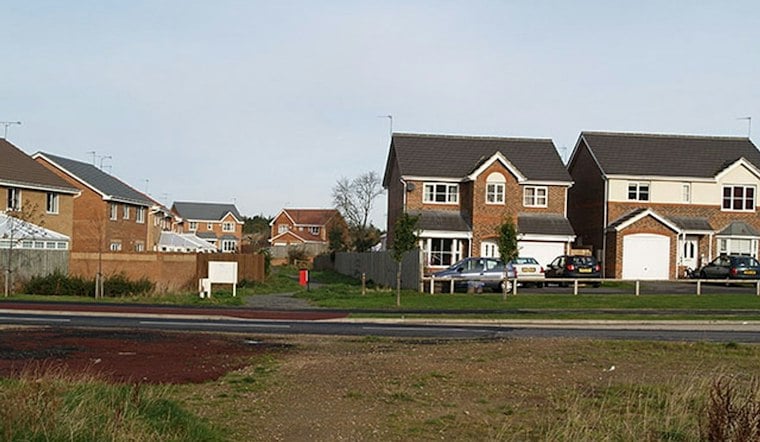
Cleveland residents turned in more than 700 applications to claim vacant city-owned lots, and nearly a quarter of those requests were for development, with most of that group hoping to build housing. The volume signals how much appetite exists across the city for turning empty parcels into something new, whether that's a side yard, a garden, or a home.
The tally comes from Crain's Cleveland, which reported that the Cleveland Land Bank received more than 700 applications, with close to a quarter of them seeking to develop the land rather than simply expand a yard or add greenery. Among those development applications, housing made up the bulk of what people had in mind, according to the same report.
The application window traces back to Sept. 21, when the city reopened its portal as part of a redesigned process, according to cleveland.com. The portal was set to remain open through Nov. 20, though the city noted it could close the window earlier if staff ended up swamped with more applications than they could handle, per that same report.
How a Lot Request Moves Through City Hall
Once city staff verify an application, it gets routed to the applicant's ward councilperson for review, cleveland.com reported. Council members get 45 days to look over each request, with the option to ask for a single 30-day extension if they need more time.
The Land Bank itself oversees a massive inventory to work with: about 16,437 city-owned vacant parcels, according to Signal Cleveland. That's a huge footprint of empty land scattered across neighborhoods, which helps explain why the city has been experimenting with different ways to get it into productive use.
Pushing Development Beyond Just Housing Counts
One of those experiments is a ward-level request-for-proposals effort aimed specifically at drawing housing development to Land Bank lots, Crain's Cleveland reported separately. The approach reflects an effort to be more targeted than a simple open application, directing development interest toward specific parcels where the city wants to see new construction.
For residents with smaller ambitions, the price of entry can be surprisingly low. Some lots cost as little as $200 when the proposed use is a side yard or affordable housing, per Signal Cleveland's reporting. That pricing structure appears designed to make it easy for neighbors to absorb adjacent vacant land rather than leave it sitting unused.
Grants Sweeten the Deal for Green Projects
Residents who want to turn a lot into a garden or gathering space instead of a building don't have to foot the whole bill themselves. Neighborhood Connections and the Western Reserve Land Conservancy are offering grants of up to $5,000 to individuals and small organizations pursuing vacant-lot projects, Signal Cleveland reported. Backing that effort, the Bezos Earth Fund is providing $250,000 over three years to support resident-led green-space work through the Land Conservancy and Neighborhood Connections.
Together, the numbers paint a picture of a city land bank processing a wave of interest from multiple directions at once, from residents wanting a bit more yard to developers eyeing housing construction. With council review still working through the backlog of applications, it remains to be seen how many of the 700-plus requests ultimately make it across the finish line.





