

























































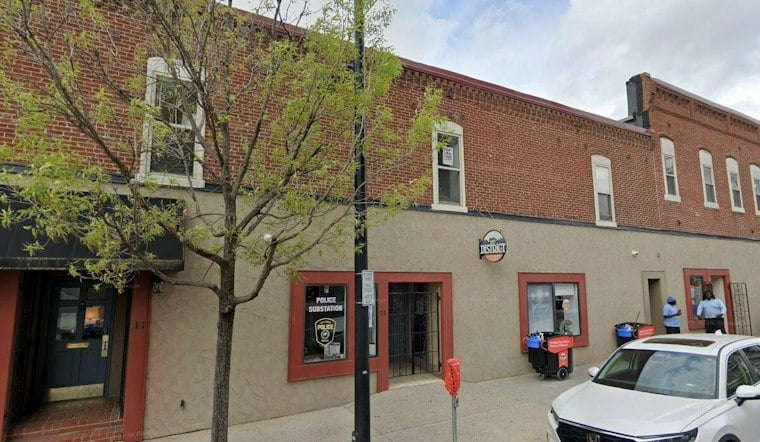
A man entered downtown Columbia's Lakota Coffee at 5:57 a.m. on Nov. 9, two minutes before the shop was set to open. Part owner and general manager Andrew DuCharme says the man threw tables and chairs at a window, came inside, pulled the fire alarm and barricaded himself for about five minutes. Two employees on the shift locked themselves in a back office until he left and police arrived.
DuCharme is using that morning to argue for a dedicated downtown police unit, paid for by the businesses around it. He has proposed an annual fee of $1,000 to $2,000 per downtown business, added to tax bills, and he wants personnel with authority to make arrests. He emailed Downtown District Executive Director Nickie Davis and other city leaders after the vandalism. ABC 17 reported the account on Nov. 16, including security video he shared that shows the man going into the business at 5:57 a.m.
A Shop Already Changing Its Locks
As DuCharme described it, the sequence was short. Furniture hit the window. The man got inside. The alarm went off. For about five minutes he had barricaded himself in a shop that had not yet opened, while the only two people working waited in a back office. Police arrived after he was gone.
That morning sits on a routine he already calls regular. He and Lakota employees have to remove people from the business monthly, and sometimes weekly. About a year to a year and a half ago the shop put locks on the bathrooms. "We change the code every week now," he said. Lakota has also installed hurricane-proof windows in recent years. One of those windows, he said, can run upwards of $2,000. That figure is the price of a pane, not a repair bill he tied to Nov. 9.
Davis told ABC 17 she has heard the same kind of frustration from other downtown owners, especially other coffee shops, and that businesses see this behavior frequently. She has identified mental instability and drug or alcohol abuse as common factors behind the concerning conduct owners describe. That is her read of a pattern. It is not a finding about the man on the Lakota video.
Who Would Have To Carry The Fee
The price tag is his, and so is the comparison he wants neighbors to make. DuCharme suggested $1,000 to $2,000 a year per downtown business, added to the tax bill, to fund the unit. On his estimate, $1,000 a year comes to less than $100 a month for what he describes as continuous police presence. Headcount is not the point he keeps returning to. He says downtown businesses need people who can arrest someone, not only ask that person to leave.
Davis supports the owners' request for more daytime policing and a downtown police unit. She also said businesses would have to lead any effort to create that funding arrangement, because the Downtown District is a political subdivision. The fee is a proposal he has put in an email. It is not an assessment the district has put on a bill.
The constraint is about who can organize the money, not about whether Davis thinks the complaint is real. She received the email. She has said this kind of behavior is common downtown. What she has not offered is a district-run charge. If a unit comes back, the businesses that would pay for it are the ones she says have to build the arrangement.
An Ambassador Shift That Starts At Noon
The board's completed move came earlier, and it was not a badge. In mid-October, after hearing from business owners, the Downtown District board approved a new daytime safety ambassador and added about $70,000 to its budget for the job, employee benefits included. That was weeks before Nov. 9. The position is set to join one full-time outreach ambassador already working across downtown. Davis described the hire as a test of daytime coverage, which is what businesses had been seeking.
The new shift is scheduled for noon to 10 p.m., Wednesday through Saturday. That is a long day. It does not include 5:57 a.m., and it does not include Monday, the morning Lakota was hit. Evening coverage is a separate crew, and the published hours do not line up with each other. ABC 17 reported five ambassadors downtown Wednesday, Friday and Saturday from 4:30 p.m. to 2:30 a.m. After the program's first month, KRCG described a five-person crew making rounds Wednesday through Saturday from 4 p.m. to 2:30 a.m. Different days, different start times. Neither account is an opening-shift patrol.
The ambassador program launched in June as a partnership among the city, the Downtown District and the University of Missouri. City documents put the combined annual cost across those three at roughly $500,000. The daytime line is a District add of about $70,000, not a replacement for that larger bill.
KRCG reported the ambassadors as unarmed, carrying radios, phones, naloxone and body cameras. Davis said their main goal was to de-escalate and take work off the police. In June the crew logged 18 wellness checks, eight safety escorts and one 911 call. That is a different job from the arrest authority DuCharme says downtown businesses need.
What 769 Downtown Incidents Do Not Count
The citywide crime picture does not map cleanly onto a coffee shop at opening. A Columbia Police Department report counted 769 reported downtown incidents from Sept. 16, 2025, through Sept. 15, 2026, up from 520 in the prior-year period, a 47.8% increase. ABC 17 and KBIA both reported the comparison in early October. Over the same span, reported crime citywide fell 1.8%. The department attributed the downtown rise to increased enforcement and detection.
The report used Columbia Police Department data and did not include University of Missouri Police Department figures or other sources. A downtown total built that way can climb because CPD recorded more activity, and it can still miss work another agency handled near campus. More than 65% of reported downtown shots-fired incidents in the data came after midnight and before 3 a.m. Chief Jill Schlude said, "Officer presence alone has not been enough to deter shootings and large fights," and she said enforcement had limited the number and severity of downtown crimes.
Those statements are about gunfire and large fights, in a count that closed on Sept. 15, nearly two months before anyone threw a chair at Lakota's window. They do not explain Nov. 9. They do show that "more police downtown" is not one request. An opening before 6 a.m. and shots fired between midnight and 3 a.m. fail at different hours, and the chief has already said that having officers present has not, by itself, stopped the shootings and the fights.
A Named Officer, Asked For In 2023
Downtown has pressed for a specific police contact before, and that ask was narrower than a unit. In 2023, the Downtown Community Improvement District asked the Columbia Police Department when it would fill a vacant community police officer role. Davis said the previous officer had retired and that businesses valued having one person to call. The CID sent letters, she said, "letting them know how important this has been, how wonderful it's been for our businesses."
ABC 17 reported that Todd Rowland, of CPD's Community Outreach Unit, said he did not know when the vacancy would be filled. In that same stretch Davis said the department's presence had been good over the previous few weeks, after University of Missouri students returned to campus. A solid few weeks of patrols and a retired officer nobody had replaced were part of the same conversation.
Three years later DuCharme is pricing a downtown unit, not merely asking when one vacant contact job will be posted. Davis supports more daytime policing and that unit. She also says businesses have to lead the funding, because of what the district is. The coverage the board approved in October still starts at noon, Wednesday through Saturday. His video starts at 5:57 a.m. on a Monday.




