

























































Connecticut's only secure psychiatric hospital for children is adding nurses, security guards and specialized restraint chairs, but nearly half of its registered nurse positions remain vacant and restraints of patients are still happening daily, according to workers and independent monitors overseeing the Middletown facility. Solnit serves children with severe trauma, mental illness and related behavioral problems, and the push for change comes after years of staff warning about dangerous conditions inside its walls.
UConn Health has operated Solnit since April, with the Department of Children and Families supplying the staff, according to NBC Connecticut. The hospital can currently care for up to 24 patients, with hopes of reaching 35 as staffing improves, the station reported. DCF has said it secured approval for just over a dozen new nurse positions and roughly twice that number of new children's services positions, with interviews ongoing, while the hospital has also brought on temporary and travel nurses along with two security guards per shift.
As reported by the Hartford Courant, DCF has said more than a dozen nurses have been hired, new children's services positions have been established, and crisis intervention training has been enhanced. DCF spokesman Peter Yazbak said the agency is recruiting four head nurses, five licensed practical nurses and seven children's services workers, the Courant reported.
Vacancies and Restraints Persist
CT Insider reported that nearly half the hospital's registered nurse positions were vacant in September.
SEIU 1199NE, the union representing Solnit workers, has said the hospital has 48 members out on workers' compensation because of injuries, amounting to roughly 15% of the Solnit South workforce, the Courant reported. The union has called for at least $21 million to address facility needs. Worker Darnell Ford said restraints of children occur daily and have often left two to three staff members out of commission for each restraint event, according to the Courant.
UConn Health's Caryl Ryan told NBC Connecticut that workers' compensation claims are down roughly 30 to 35 percent.
Restraint Chairs Draw Scrutiny From Child Advocates
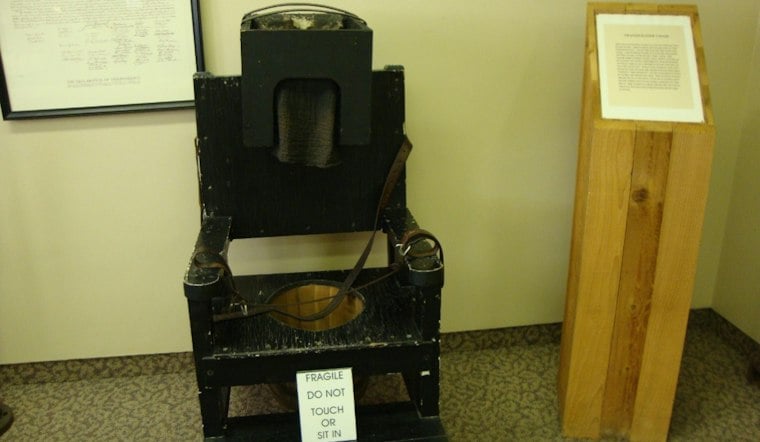
DCF told NBC Connecticut that Solnit has historically relied on immobilizing children on the floor and has been developing a policy to shift toward restraint chairs instead. UConn Health said the hospital purchased specialized restraint chairs designed for clinical settings and that staff will receive comprehensive training on their use, with chairs considered only as a last resort when a child poses an immediate risk of physical harm and less restrictive approaches have failed.
Sarah Eagan, executive director of the Center for Children's Advocacy, said restraint chairs are deeply concerning given documented failures in safe care and reporting on children's safety, according to the Courant. She told NBC Connecticut she was troubled by the emphasis on security guards and restraint chairs as a way to reduce staff injury without discussion of how those supports are experienced by children. UConn Health has said restraint chairs are used in some acute-care and psychiatric settings, including adolescent facilities.
Frank Gregory said at a Nov. 2 meeting that most programs are intervening with a restraint chair during youth crises, the Courant reported, and said Solnit contracts with the Justice Resource Institute in Massachusetts. Solnit is also enhancing its crisis and intervention program using Crisis Prevention Institute evidence-based de-escalation training, a model used throughout Connecticut and identified as best practice, according to the same report.
A Facility in Disrepair, and a Decade-Old Funding Ask
Beyond staffing, Solnit has worn floor tiles and peeling paint, the Courant reported. Solnit staff have requested funding for trauma-focused, evidence-based programs for more than a decade, the paper reported, noting Connecticut secured $1 million for such a program in the prior legislative session — a program that has not yet been implemented.
An incident on July 30 saw a patient break the dining room sign and threaten staff with a sharp plastic shard, according to an independent monitor cited by the Courant. Monitor reports covering incidents from April 15 through July 30 found that 24% involved an environmental safety risk. A monitor report also found that abuse and neglect policies for John Dempsey Hospital and Solnit were still not final after multiple reviews and meetings, per the same October findings.
Solnit patients can include four to six highly dysregulated individuals at a time, the paper reported, and may remain in crisis for at least two shifts a day while staff face mandated overtime at an increased rate.
How Solnit's Numbers Compare
CT Insider has separately reported that half the children at Solnit on a typical day this summer were involved with DCF's foster care system, and that children ready for discharge sometimes face a placement bottleneck when private providers decline to take them and DCF has no foster or group home available. One 17-year-old ordered discharged from Solnit after a probate judge ruled she did not meet the legal criteria to remain spent weeks in a hospital emergency department while DCF searched for a placement, according to CT Insider.



