

























































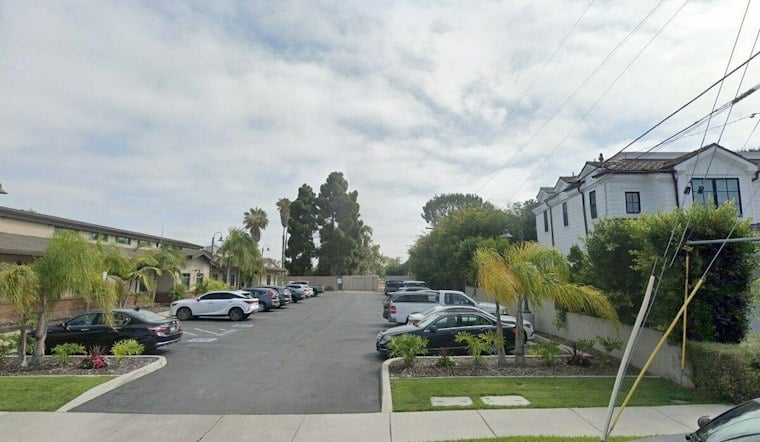
A May 19, 2026, Coronado City Council resolution sent Measure D to voters. The measure proposed allowing multifamily buildings in the Orange Avenue R-4 zone to reach four stories and 42 feet, up from three stories and 35 feet. The Coronado Times identifies the affected area as the stretch between Second and Eighth Streets.
The resolution set a majority of votes cast as the threshold for approval. The measure was sent to voters.
Initial election returns
The first unofficial count covered 33.9 percent of ballots, the Coronado Times reported. Kelly Purvis and Rebecca King were ahead in the contest for two City Council seats. Andrew Gade and Ricky Hoyt were also in the four-candidate race, according to the San Diego Union-Tribune. Measure D was trailing in the early count, the Coronado Times reported.
In the Coronado Unified School District Board of Trustees race, Alexia Palacios-Peters, Mal Sandie and Peggy Duncan led the initial count, according to the Coronado Times. The outlet’s figures, like those for the council contest and Measure D, were preliminary.
Housing-policy context
The state announced in 2023 that an agreement with Coronado would allow for 912 homes. In its 2024 Housing Element Update, the city identified 10 sites suitable for higher-density affordable housing development, according to the Governor of California and the city’s Housing Opportunity Sites page.
What a Measure D rejection could mean
The California Department of Housing and Community Development found that Coronado’s adopted housing element substantially complied with state Housing Element Law as of August 29, 2024. The department also said it may revoke a jurisdiction’s housing-element compliance if the local government’s actions do not comply with state law. Its letter does not specify the steps or deadlines that would follow a Measure D rejection, and it does not say that preliminary returns automatically trigger a revocation.



