

























































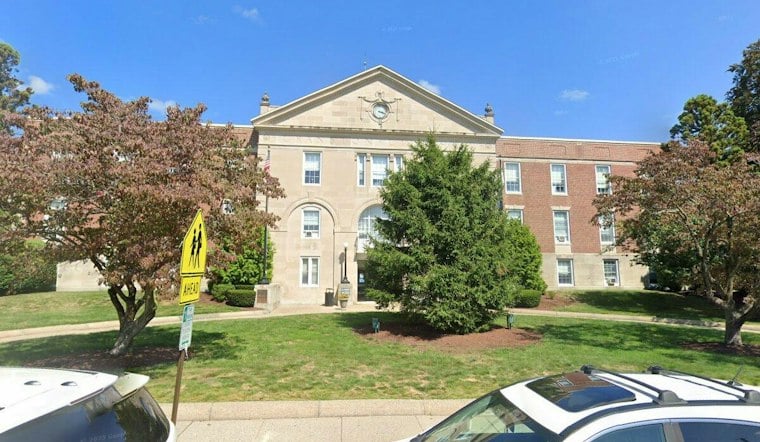
Cranston's Finance Committee has signed off on a new voluntary payment agreement with Johnson & Wales University that would bring the city $150,000 a year for three years, then $100,000 annually after that, following a stretch in which the university sent the city nothing at all. The full City Council is set to weigh in at its regular monthly meeting on Nov. 16.
The committee approved the deal last week, and according to UpriseRI, the schedule calls for $100,000 plus a $50,000 catch-up payment each year from fiscal 2027 through 2029, followed by $100,000 annually from 2030 through 2046 with a cost-of-living escalator tied to the Consumer Price Index. Cranston Finance Director Robert Strom told the committee that negotiations began in May, stalled for about two months after the death of an initial contact, Chris Rawson, and resumed in August, per the same outlet.
UpriseRI reported that Dan Egan, speaking for JWU, said the escalator is capped at 4%. The outlet also reported that JWU sent the city a $120,000 check as a good-faith gesture ahead of the agreement.
Three Years Without a Payment
The arrangement follows the expiration of a previous voluntary payment agreement between Cranston and JWU in 2023. Strom said the mayor's administration resumed talks this year after the city had received no voluntary PILOT money from the university for roughly three years. Officials said JWU's earlier annual payments before the lapse ranged from about $190,000 to $224,000, per the same UpriseRI account.
JWU is a private nonprofit and tax-exempt institution with two campuses in Rhode Island. It also has a Harborside campus. The city separately receives state PILOT money for the university, distinct from its agreement with Cranston; UpriseRI's earlier reporting on the city's draft deal said state PILOT revenue had fallen nearly $2 million over five years and put the current Howard Complex amount at $3.3 million.
JWU's Position and Enrollment Trends
Dan Egan, president of the Association of Independent Colleges and Universities of Rhode Island, spoke to council members on JWU's behalf at the committee meeting. He described the deal as a good-faith effort.
Separately, a GoLocalProv analysis found that eight of eleven tracked Rhode Island colleges lost students between 2019 and 2020, with JWU posting the steepest decline of any of them at 18%, as overall New England college enrollment fell 3.3% during that stretch.
A Smaller Deal Than Providence's
Cranston's proposed arrangement is far more modest than the voluntary payment agreements Providence struck with its own private colleges. Brown, RISD, Providence College and JWU agreed to provide that city more than $177 million in voluntary payments over 20 years, according to The Brown Daily Herald, with total payments and community contributions reaching $223 million over two decades once Brown's separate agreement was folded in. The outlet also noted JWU gave more than $3.6 million in aid and scholarships to 213 Providence residents in fiscal year 2024. Providence's first PILOT agreement among those institutions dates back to the 2003 recession, according to a city announcement.
If approved, Cranston's drafted memorandum of understanding would run until June 2046, but the deal still requires a vote from the full City Council, which is scheduled to take it up at its regular meeting on Monday, Nov. 16.





