

























































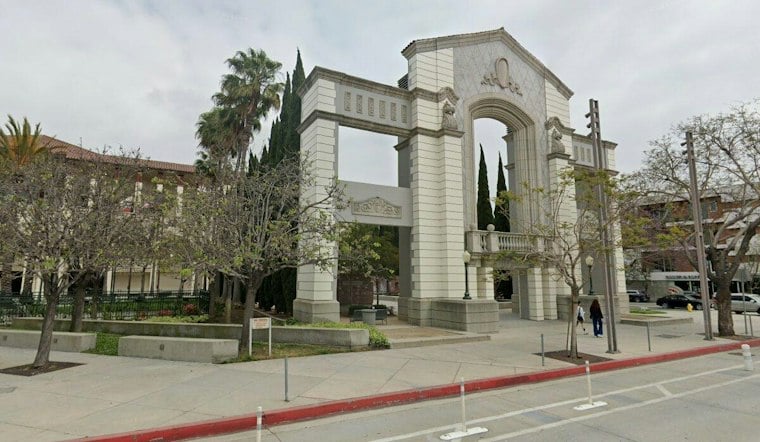
Culver City developers building new apartments or office space can no longer pile on parking spots without limit. The City Council voted on Nov. 9 to pass an ordinance setting citywide parking maximums for new development and redevelopment projects, a shift that caps how much parking can be built rather than how little.
Under the new rules, multifamily residential buildings are generally capped at one to two parking spaces per unit, while office and retail projects are limited to around one space per 350 square feet, according to the ordinance's seed reporting from Westside Today. Developers who want more parking than the cap allows can seek special approval to exceed it by up to two spaces or 10 percent above the maximum, whichever applies. The ordinance applies to new development and redevelopment projects across Culver City and took effect following the Nov. 9 vote.
From Minimums to Maximums
The policy flips a decades-old planning convention on its head. Cities have traditionally required developers to build a minimum amount of parking per unit or square foot; Culver City's ordinance instead sets a ceiling, with officials framing the change as a way to reduce excess parking, free up land for housing, and cut car trips across the area.
The proposal moved through a public process earlier this year. Culver City's Planning Commission held a hearing on a proposed off-street parking code amendment back in September, and a city public notice described the effort as a zoning code amendment to Municipal Code Chapter 17.320, the city's Off-Street Parking and Loading section, establishing new parking maximum ratios and procedures for new and redeveloped projects, per Culver City's public notice.
A Researcher's Caution on the Math
Not everyone is convinced that simply converting old parking minimums into new maximums gets the policy right. Jacob Wasserman, a researcher with the UCLA Institute of Transportation Studies, has criticized that approach, arguing that legacy parking minimums often relied on limited suburban studies to begin with. Converting those same old measurements into maximums, he said, risks retaining the unsound rationale behind the original standards.
Still, Wasserman has said parking maximums do decrease the overall amount of parking built, and that reducing parking supply can incentivize people to shift toward other modes of transportation. He noted that how cities calculate their caps matters a great deal, and pointed to Los Angeles as an example of a region carrying a large amount of extra parking — enough, when added together, to cover thousands of square miles. Some municipalities, he noted, have gone the route Culver City has taken by converting legacy minimums directly into maximums.
What It Could Mean for Renters
Supporters of parking maximums argue the policy can translate into real savings for tenants. Separating parking costs from housing rent allows residents without cars to pay less overall, and residents who do have vehicles could reduce their rent by choosing to rent fewer parking spaces than they might otherwise be assigned.
Whether Culver City's ordinance actually reduces parking construction, cuts car trips, or frees up land for housing in practice remains to be seen now that the rule is on the books. For now, the caps apply citywide to new development and redevelopment projects moving forward.





