

























































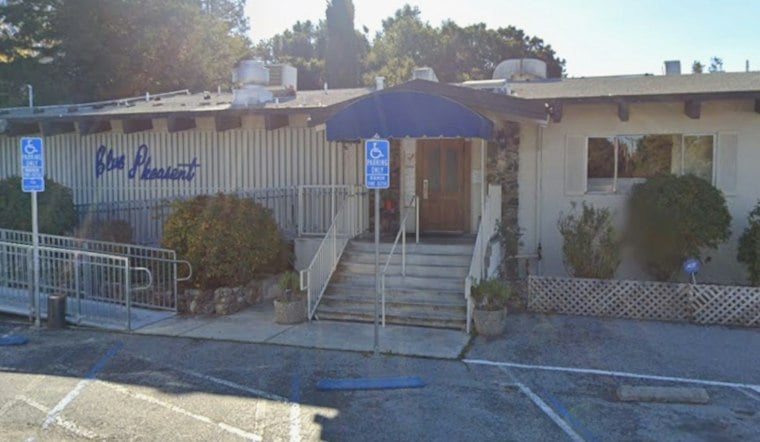
After 52 years of two-stepping, lunch specials and late-night last calls, the Blue Pheasant is shutting its doors this weekend. The restaurant and nightclub at the entrance to Blackberry Farm Golf Course on Stevens Creek Boulevard will serve its final day on Nov. 29, closing a chapter that stretches back to 1974.
The city-owned facility has long doubled as a gathering spot for older adults and a lunch stop for golfers, according to San José Spotlight. Current operator Mike Tsarchres, who took over the lease in 2004, declined to comment on the closure, the outlet reported. Tsarchres lives in Belmont, according to the same report.
What happens next to the 6,800-square-foot building is up to the Cupertino City Council, which is scheduled to decide at its Dec. 1 meeting whether to seek a new restaurant and bar operator or repurpose the space altogether. The lower floor of the building is occupied by the golf course's pro shop, the report notes, and officials have floated turning the upper floor into a community center or nonprofit rental space instead of another bar.
If the council opts to find a commercial tenant, city staff have proposed a request-for-proposals process, with bids assessed for operator experience, financial capacity, compatibility with the golf course and nearby homes, and community benefit. The city’s stated goals also include limiting its investment in building upgrades. Staff estimated the existing lease brings in about $80,625 in annual base rent, plus a share of sales, and warned that revenue would pause during a vacancy. The October staff report says any proposed lease would return to the council for approval.
The restaurant occupies part of a larger city-owned recreation site: Cupertino bought Blackberry Farm in 1991, and a 2023 city study said most of the 16-acre property lies in a designated floodplain beside Stevens Creek, which is home to protected species including steelhead trout. That setting adds another consideration as officials weigh uses for the building, beyond rent and neighborhood compatibility. The city’s golf-course study describes the site’s ownership and environmental context.
A Possible Second Act Already in the Works
There's a chance the dance floor doesn't go dark for long. A restaurant owner from Sunnyvale has expressed tentative interest in taking over the Blue Pheasant, and the venue could reopen before the end of 2026 if that deal comes together. Any takeover would still require City Council approval before it could move forward.
The financials help explain why the city is weighing its options. Annual revenue at the Blue Pheasant peaked at $631,300 in 2017, according to city records cited by the outlet, and had slid to $500,000 by 2025. Customer traffic has been falling for a decade, and the business — which employs eight or nine people — has recently been losing money, according to Steve Powers, who has worked part-time as the club's DJ for more than 20 years and lives in Santa Clara. Powers also said the building's interior is worn and could use updating.
Decades of Dancing, and Decades of Complaints
For regulars, the Blue Pheasant was less a bar than a time machine. Rick Haffner, a 30-year Cupertino resident, said the retro atmosphere felt like a time warp. Fred Covey, 60, who has lived in Cupertino for 23 years, said he was often the youngest person out on the dance floor.
But the club's run was never without friction. Terry Hertel, whose house has backed onto the property since 1980, said police raided the Blue Pheasant for prostitution around 1990, and recalled a city manager once asking him to look outside during an incident. Hertel also pointed to garbage trucks that usually arrived at 3 a.m. In 2013, neighborhood groups — including the Oakdell Ranch Homeowners Association, which submitted a letter opposing the move — tried unsuccessfully to block the renewal of the club's lease. A Santa Clara County Sheriff's Office spokesperson told the outlet there haven't been any incidents at the Blue Pheasant in 2026, and city rules have required the club to close no later than midnight, with its parking lot cleared by 12:30 a.m.
The dispute over a bar on park-zoned, city-owned land has a precedent: in 2013, Cupertino officials determined the restaurant and bar could qualify as an accessory use alongside the golf course, and that a conditional use permit was not required because the city owned the facility. The council retained discretion to set operating hours through the lease, a point that underscores how future terms—not just the identity of a new operator—could shape the venue’s next chapter. The council’s 2013 meeting record documents that interpretation.
City Leaders Split on What Comes Next
Cupertino Vice Mayor Liang Chao has raised concerns about liquor service on city-owned property and late-night crowds driving through a residential neighborhood, while also saying, on Oct. 20, that she was disappointed the Blue Pheasant would be lost and hoped a future operator could offer something similar. Mayor Kitty Moore said that same day she would not approve the current DJ and nightclub configuration going forward.
As of now, there's no indication of a special send-off planned for the Blue Pheasant's last day. What's certain is that when the doors close Nov. 29, it will mark the end of a run that outlasted shifting neighborhood politics, declining revenue and more than five decades of changing Cupertino. Whether the next chapter brings a new restaurant, a community center, or something else entirely rests with the City Council next week.





