

























































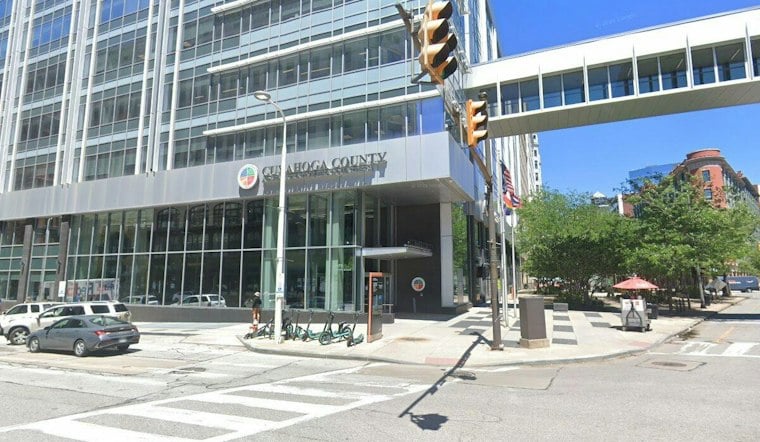
Cuyahoga County had about 23,000 fewer people enrolled in Medicaid this September than it did a year earlier, a 6% drop that local officials say is being driven partly by paperwork failures rather than a sudden surge of residents becoming ineligible. Roughly half of those who lost coverage over the past year were children.
The numbers, reported by Signal Cleveland, show county enrollment has fallen by more than 100,000 residents since its pandemic-era peak. Statewide, Ohio Medicaid enrollment dropped about 9% between October 2025 and October 2026, continuing a decline that began in early 2023 when the state resumed regular eligibility checks after a pandemic-era pause. Those checks, which require state and county workers to verify whether recipients remain eligible, had been suspended during the pandemic, and Ohio did not complete its full eligibility review until 2024.
Medicaid provides health insurance to low-income adults, children, pregnant women and people with disabilities. During the pandemic, enrollees did not have to prove continued eligibility, and the eligibility unwinding that followed removed thousands of people from the rolls between 2023 and 2024 nationally. Many of those losses, including some still happening in Cuyahoga County today, trace back to procedural reasons — failing to complete or return required paperwork — rather than a determination that someone no longer qualifies.
Automatic Renewals Are Falling Off
Cuyahoga County Director of Jobs and Family Services Kevin Gowan said in a public presentation in early November that declining automatic renewal rates could be contributing to the shrinking rolls. The county's average rate of members approved for automatic renewal dropped about 20% between 2025 and the first nine months of 2026, according to the same report.
Residents who aren't automatically renewed must submit more paperwork to the county jobs and family services office, and more people are missing that step. The rate of Cuyahoga County residents losing coverage for failing to return renewal packets on time rose from eight to 12 people per every 1,000 Medicaid members between 2025 and the first nine months of this year. Ohio Medicaid spokesperson Stephanie O'Grady has said temporary automatic renewal flexibilities used during the pandemic have phased out recently, and zero-income recipients, who were exempt from regular eligibility checks until summer 2025, are now also subject to the standard review process.
Emily Campbell, president and chief executive officer of the Center for Community Solutions, said experts doubt that residents are suddenly earning too much to qualify for Medicaid or moving in large numbers to private insurance. Local experts and government officials, per the same report, have said the full causes of the enrollment decline are not fully understood, though the expiration of COVID-era rules and increased renewal paperwork are seen as likely contributors.
Families Learn About Lost Coverage at the Doctor's Office
Dr. Chris Peltier, a Cincinnati pediatrician and American Academy of Pediatrics board member, said families often discover their child has lost Medicaid only when they arrive for an appointment. Peltier said his practice does not turn away children who show up for sick visits without insurance, and his staff works with families to restore Medicaid coverage, sometimes resulting in retroactive payments once eligibility is reinstated.
Doctors and hospitals worry that many adults and children losing Medicaid will end up uninsured and skip care altogether. Uninsured patients seeking treatment are more likely to rely on free or discounted care from health systems, and hospitals have spent more on uncompensated care as residents lose coverage, according to Daniel Lettenberger-Klein, chief member and programming officer for WellLink Health Alliance, which represents major hospital systems in northeast Ohio. Lettenberger-Klein said coverage interruptions also interrupt healthcare itself, not just paperwork.
MetroHealth is projecting charity care costs of $384 million in 2026, a 7% increase, and the hospital system is predicting a nearly $79 million operating loss for 2027. MetroHealth laid off 125 employees in 2025. Romona Brazile, MetroHealth's executive director for government and community relations, has been among those tracking the financial pressure tied to coverage losses.
Federal Work Requirements Add Uncertainty for 2027
Medicaid work requirements are scheduled to take effect in 2027 under the One Big Beautiful Bill, signed by President Donald Trump, which adds a community-engagement mandate to the program. According to Medicaid.gov, beginning January 1, 2027, states must condition Medicaid eligibility for applicable individuals on demonstrating community engagement, unless a state chooses to begin sooner. Ohio must begin screening residents for the requirement that same month.
The Trump administration is allowing states to delay enforcement of the work requirement until July 2027, but states seeking that pause must notify the federal government by December 11, 2026. It remains unclear whether Ohio will use the delay or proceed on the original January timeline, according to the same reporting.
County officials have estimated that roughly 90,000 Cuyahoga County residents who receive Medicaid through the Affordable Care Act expansion could be affected by the new work requirements, according to cleveland.com, which reported that about 350,000 county residents are enrolled in Medicaid overall.
Health Systems Prepare for More Change
Cleveland-area health systems and federally qualified health centers have begun meeting to prepare for the rollout of work requirements. University Hospitals is leading a Medicaid enrollment program designed to help eligible people obtain and retain coverage, and the health system is training financial navigators in its scheduling department to help patients understand the changes. University Hospitals is also partnering with the Greater Cleveland Food Bank to share Medicaid information with residents who may be affected.
Statewide, the scale of past disruption offers some context for what local officials are watching for. A Dayton Daily News analysis found that approximately 609,517 Ohioans lost some type of Medicaid coverage after the state began renewal determinations in 2023, even as nearly 1.9 million Ohioans had their coverage renewed through Medicaid or the Children's Health Insurance Program. Of the disenrollments analyzed that year, 448,433 cases — more than 73% — were attributed to procedural reasons rather than a determination that someone was ineligible, according to the Dayton Daily News. Montgomery County alone saw its Medicaid rolls fall from about 192,564 recipients in March 2023 to around 176,891 by the time of that report.
For now, Cuyahoga County families and health providers are left navigating a system in flux, with no clear answer yet on how much of the recent coverage loss stems from paperwork problems versus policy changes still to come. Medicaid loss may lead some residents to pick up other types of health insurance, but doctors and hospital officials say many will likely go without.



