

























































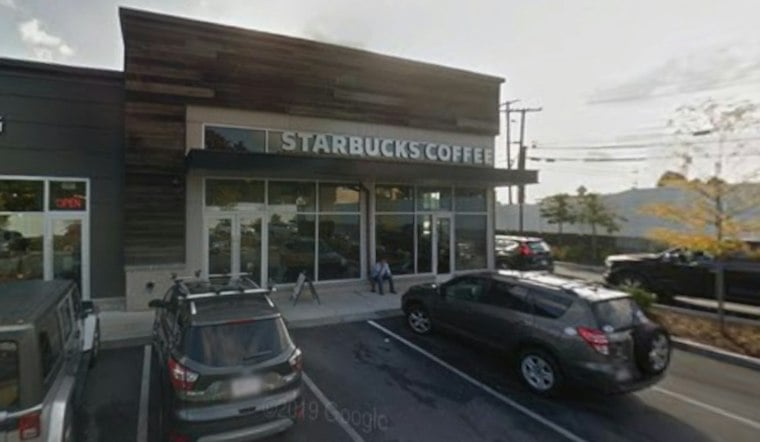
A customer's fury over two missing pennies brought police to a Starbucks on Route 1/Providence Highway in Dedham just after 8 a.m. Friday, turning a routine coffee order into a law-enforcement matter. The customer was angry that he had not been given 2 cents back after making a purchase, setting off an argument with a Starbucks worker that ended with an officer walking through the door.
According to Boston 25 News, police say the argument involved the country's ending of penny production in 2025, and officers ultimately told the customer to take his complaint to Starbucks Corporate rather than the responding officer. Boston 25 News also reported reaching out to Starbucks for comment and clarification of its penny-change policy.
Why Two Cents Can No Longer Be Found
The missing pennies in this case trace back to a much bigger shift in American currency. The U.S. Mint issued the last penny for circulation in November, closing out the coin's 232-year production run, as reported by CNBC. By the time production stopped, it cost 3.69 cents to manufacture a single one-cent coin, according to WBUR.
That same report notes that shortages of the coin have led some Federal Reserve regions to stop supplying and accepting pennies, pushing some retailers toward rounding policies of their own. The ripple effects show up at registers everywhere: many businesses now round change up or down simply because pennies are no longer being made, per the Boston 25 News report on the Dedham dispute.
States Scramble to Write New Rules
The patchwork has forced state governments into action. Twenty states have passed laws either allowing cash rounding or requiring it since penny production ceased, CNBC reports, as lawmakers try to catch up with a coin shortage that caught much of the retail world off guard. The stakes are significant given how often Americans still reach for cash: consumers made an average of 47 payments per month in 2025, including about six cash payments, according to the same CNBC report.
Federal guidance offers businesses some cover. The U.S. Treasury's penny production FAQs state that when penny change is not available, businesses may round the final amount of a cash transaction to the nearest five-cent increment, while acknowledging that states will likely handle the issue differently based on their own considerations.
What Massachusetts Tells Retailers and Shoppers
Massachusetts has issued its own guidance for the moment a cashier can't produce exact change. State guidance calls for conspicuous disclosure of a store's rounding policy to the consumer before a transaction is completed, along with the option to use an alternative form of payment instead of cash. A separate Massachusetts directive addressing sales tax calculations states that the penny remains legal tender even as vendors contend with shortages of the coin.
None of that guidance resolved the standoff on Route 1 on Friday. With no penny to hand over and no corporate representative on site, Dedham police were left playing referee in a dispute that, at its core, came down to two cents.



