

























































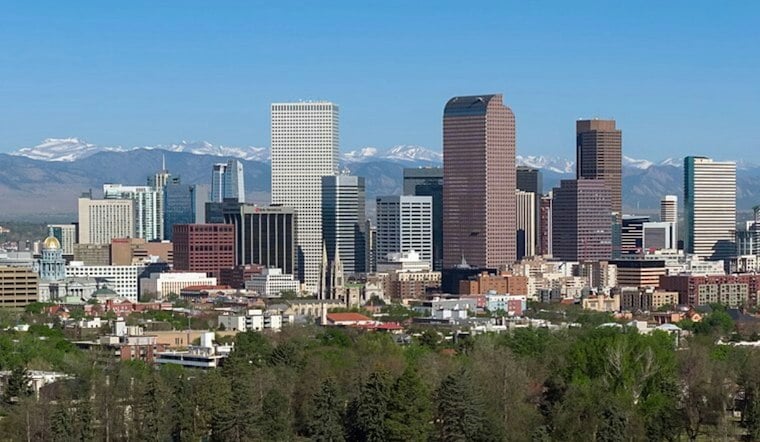
If you spot smoke curling up from the foothills west of Denver this winter, it might not be cause for alarm. Denver Parks & Recreation is planning seven prescribed burns across the Evergreen area this season, weather permitting, part of an ongoing effort to clear out wildfire fuel before next year's dry season arrives.
Six of the seven planned burns fall within the Evergreen Fire Protection District's jurisdiction, while the seventh sits near Legault North 40, within the Elk Creek Fire Protection District's territory, according to Westword. The full list of sites includes Dedisse Park, about a mile west of downtown Evergreen; Fillius Park, roughly six miles north of downtown Evergreen; Pence Mountain along State Highway 103, about seven miles northwest of Evergreen; North Turkey Creek, about three miles north of Aspen Park; Legault North 40, about two miles southeast of Aspen Park; Cub Creek along South Brook Forest Road, about a mile south of Evergreen; and Berrian Mountain, about two miles north of Conifer.
The burns themselves are modest by wildfire standards: six-foot piles of small branches and wood debris left over from wildfire mitigation and vegetation management work. Depending on how many piles are involved and how conditions hold up, the station's report notes that operations could stretch across a few days or run for several weeks. Local fire departments will keep watch over every burn until it is completely extinguished.
Why Crews Wait for Snow
Timing is everything with this kind of work. Parks & Recreation requires at least four inches of snow cover before crews will light a pile, since that cushion of snow helps keep flames contained and limits the risk of spread. Dates and times for individual burns will ultimately hinge on weather conditions, per the same account, meaning the schedule could shift at any point this season.
Parks & Recreation spokesperson Stephanie Figueroa said the projects are designed to reduce hazardous fuel accumulations, restore and maintain healthy, diverse forest ecosystems, and improve wildlife habitat. Burning will take place only when weather, fuel moisture, snow cover and air quality conditions meet established safety and operational requirements, she said in a statement issued November 23. Figueroa also acknowledged a tradeoff familiar to anyone near past burn sites: although prescribed burns generally produce fewer air quality impacts than uncontrolled wildfires, smoke can still affect air quality and human health, and people with respiratory conditions or sensitivity to smoke should be aware of possible impacts.
A Drought That Won't Quit
The urgency behind the work traces back to conditions on the ground. The foothills west of Denver were still sitting in a severe drought as of November 19, and the region has remained in that category or worse since the start of 2026, the article notes, citing the Drought Monitor. That backdrop is part of why officials frame these pile burns as preventive medicine: removing fuel now is meant to blunt the risk of wildfires when the next dry season hits.
Beyond the immediate fuel reduction, prescribed burning can also help limit the intensity and spread of future wildfires and extreme fire behavior more broadly, according to the same reporting. A 2025 Stanford-led study cited in that coverage found that prescribed burns cut net smoke pollution from subsequent wildfires by an average of 14 percent, offering some scientific backing for the strategy even as officials concede the burns themselves create short-term smoke.
Not the Only Burns Planned This Winter
Denver isn't alone in lighting piles this season. Jefferson County Parks & Open Space announced it will conduct prescribed pile burning in designated park locations this fall and winter, as weather and site conditions allow, according to a Jefferson County civic alert. The county named Alderfer/Three Sisters and White Ranch Parks as specific locations scheduled for pile burning, with work planned between November and March depending on weather, at least four inches of snow cover, and air quality conditions. Jefferson County said the burns will be carried out by trained fire personnel in coordination with the Jefferson County Sheriff's Office and local fire districts, and that every burn will be monitored until declared fully extinguished.
Further west, Rocky Mountain National Park has been preparing its own prescribed burn, a 437-acre operation on the park's east side near Beaver Meadows, according to Daily Camera. Taken together, the projects reflect a broader push across the Front Range to get ahead of wildfire risk during the cooler months, when snow and moisture make controlled burning safer than it would be in the heat of summer.





