

























































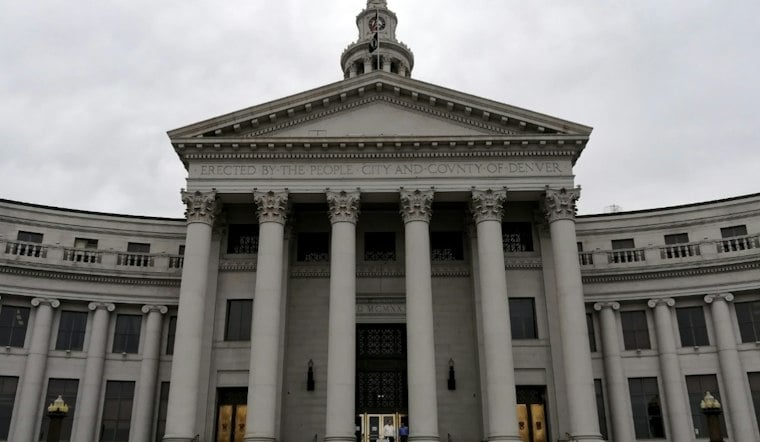
Denver renters could soon gain the right to form organized groups and force meetings with their landlords, while the city could temporarily hold rent from landlords until property owners fix serious health and safety violations, under two early-stage proposals before the city council. The push comes as residential health complaints logged with the city have more than doubled in just a few years, with property owners accused of letting units slide into disrepair while costs climbed.
Denver City Council members are considering two proposals to address unsafe rental living conditions, according to Denverite. One policy, known as “meet and confer,” would guarantee renters the right to organize and meet as a group with their landlords, while the other would allow the city to temporarily keep rent from landlords until property owners comply with the law. Both policies are in the early phases of consideration and are far from guaranteed to pass, per the same report.
Denver City Council member Amanda Sawyer said a small minority of property owners repeatedly fail to maintain acceptable living conditions, describing some residents going months without heat or experiencing significant pest infestations, as reported by 9News. The two proposals aim to hold those landlords accountable, and emerged after years of discussions involving tenant advocacy organizations, large-apartment residents, the mayor's office, and city departments overseeing public health and rental licensing.
What the Meet and Confer Proposal Would Do
The meet and confer proposal would establish tenants' right to organize independently of landlords and property management companies, and would require landlords to meet with recognized tenant organizations to discuss concerns. Tenants would be allowed to invite outside advocates to those meetings, and outside organizers could participate with tenants' consent, Denverite's reporting notes. Tenant organizations would also get access to common areas for organizing, which the tenants could utilize at no cost.
Landlords would be prohibited from retaliating against renters for organizing or for participating in these meetings. Sawyer said landlords and tenants would meet regularly under the policy to discuss challenges as they arise, rather than letting disputes fester without a formal channel for resolution.
How a Rent Escrow Program Could Work
The second proposal would establish a rent escrow account program that could allow the city to set aside a portion of rent payments for properties failing health and safety requirements. Sawyer said the escrow program would direct some of that rent money toward needed repairs, though the program's overall structure remains under discussion. The policy could include creating an escrow account after a formal meeting prompted by complaints, and escrowed funds may be used for authorized purposes such as repairs, utilities, and relocation-related costs, according to Denverite.
Per Sawyer, the Denver Department of Licensing and Consumer Protection would likely oversee enforcement of the escrow program, building on its existing role overseeing residential rental licenses. The city could also attach compliance requirements directly to those rental licenses, the report notes. The department has already issued 30,000 licenses for properties under Denver's rental-licensing requirement.
Complaints Have More Than Doubled Since 2022
Data presented to council showed Denver residential health complaints rose from 832 in 2022 to 1,794 in 2025. The city had already logged 1,560 residential health complaints in 2026 as of October 23, a year-to-date figure that does not represent a final annual total. Sawyer said rising repair and labor costs, along with pandemic-era inflation, may have contributed to deferred maintenance, as property owners put off needed work.
Residents looking into conditions at specific addresses now have another tool: Denver's Department of Public Health and Environment has launched interactive dashboards that allow users to search housing complaints and violations by address, neighborhood, or city council district, according to KDVR. Those complaints can include issues with running water, heat, air conditioning, or electricity. The department is also updating its rules and regulations and has asked residents to complete a survey to help guide those changes.
Looking to Other Cities for a Model
Denver council members are looking at similar tenant-organizing policies already in place in San Francisco and New Haven, and they point to Los Angeles and Baltimore as cities with comparable rent-escrow programs that they see as proof of success, per Denverite's reporting. A 2025 report from the Los Angeles Housing Department found that city's Rent Escrow Account Program grants tenants rent reductions ranging from 10% to 50% based on the severity of outstanding violations, with tenants able to pay the reduced rent to the landlord or into an account managed by the department, according to the Los Angeles City Clerk.
That same report said roughly 880,000 multifamily rental units in Los Angeles are subject to its Systematic Code Enforcement Program, with inspections conducted on a four-year cycle. An earlier Los Angeles committee report, however, found that tenants often find it excessively complicated to access funds from the escrow account for their own repairs, and said the program had not consistently brought homes into code compliance in a timely way, per the Los Angeles City Clerk.
Legal Limits and a Possible Timeline
Colorado law governs landlord-tenant contracts and limits Denver's authority to intervene directly in those relationships, meaning any city proposal would need to focus on Denver's authority to protect residents' health, safety, and welfare rather than rewriting lease terms outright. Sawyer said any legislation should be balanced, ensure due process, and help residents stay healthy and safe at home.
A proposal could be introduced to the full Denver City Council as early as April 2027, with votes potentially following in the weeks or months after that introduction. For now, both the meet and confer policy and the rent escrow program remain in early stages, with Denverite's reporting underscoring that neither is guaranteed to become law. A separate, earlier one-pager from Denver's District 11 council office had outlined a related rental-license proposal requiring a fee and inspection process, phased in for multifamily units in 2023 and single-family units in 2024, according to the Denver City Council District 11 document, though that record does not establish the current status of those requirements.



