

























































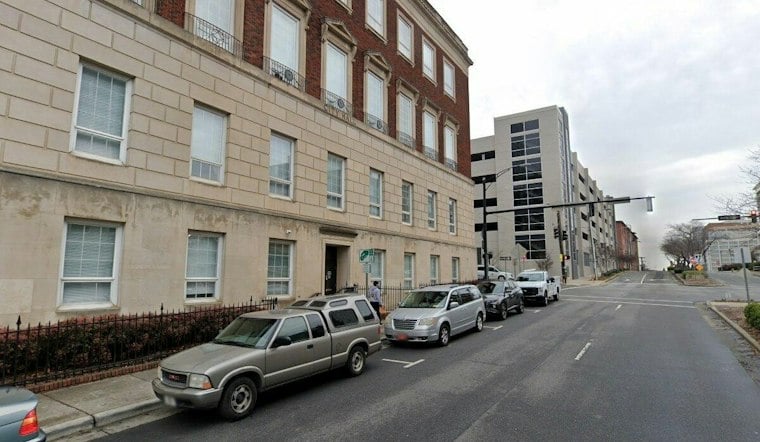
Divert, Inc. announced the opening of its Integrated Diversion & Energy Facility in Lexington, North Carolina, a plant designed to turn unsold food that can no longer be donated into renewable natural gas and fertilizer. The facility also recovers food-bound water for its own operations and captures data meant to help retailers cut down on waste before it ever reaches the plant.
According to Business Wire, the Lexington facility is expected to service more than 2,500 retail grocery locations and 20 retail distribution centers by the close of 2026. Divert says it will process unsold food, food byproducts, and residuals from food manufacturers and other Southeast businesses once it is fully up and running. Harris Teeter is named as an anchor customer, with the facility set to support all of the chain's locations, while select locations for Publix and UNFI are also expected to be served.
Harris Teeter's Danna Robinson said the partnership with Divert gives non-donatable food a productive use, reducing waste and protecting food value. Divert CEO Ryan Begin said the company's success is driven by its employees and rooted in its customer base, adding that relationships built over twenty years are what enable investment in regional infrastructure like the Lexington plant. Begin also called Lexington an ideal location for advancing food-system circularity.
From Groundbreaking to a 200-Acre Energy Plant
The scale of the project is substantial. Contractor Graycor describes it as a 75,000-square-foot greenfield development spanning more than 200 acres, built to convert food waste into renewable natural gas. At full capacity, the Lexington facility will process up to 120,000 tons of unsold, non-donatable food annually, and Divert is producing renewable natural gas from local unsold food there now, with the gas injected directly into local pipeline infrastructure. The plant will also be capable of producing Divert's food-derived fertilizers, including OMRI-listed organic options.
North Carolina Governor Josh Stein said the facility will reduce food waste and create renewable natural gas to help North Carolina power its future. Divert's pitch to the state leans on North Carolina's food economy: the state ranks as the fourth largest food and beverage industry in the country and eighth nationally in agricultural production, according to the Business Wire announcement. A local report from journalnow.com had previously flagged Lexington as a key piece of Divert's Southeast expansion plans.
How the Technology Fits Into Divert's Bigger Push
Divert's circularity platform combines data and technology meant to prevent waste, edible-food recovery, and conversion of remaining food into renewable energy, fertilizer, and reclaimed water. Its technology is designed to give customers actionable data to prevent wasted food and increase donations before food ever reaches a facility. The company says this regional infrastructure is developed, owned, and operated by Divert itself.
Lexington isn't an isolated project. Divert opened a similar Integrated Diversion & Energy Facility in Longview, Washington, earlier in 2026, and per Waste Dive, that plant is designed to process up to 100,000 tons of organic waste annually at full capacity and began injecting gas into the pipeline on April 9, 2026. The same outlet reported that Divert had opened a Series C funding round led by Mitsubishi Partners that valued the company at more than $1 billion, with Ara Partners retaining a controlling stake it acquired in 2021 and Mitsubishi acquiring equity through the new deal.
Divert has continued adding to its footprint elsewhere too. The same Waste Dive report noted the opening of Divert's Turlock, California, facility.
The Waste Problem Driving the Expansion
Divert's push into facilities like Lexington reflects its broader effort to build regional infrastructure rather than rely on a single centralized plant.
Divert is a portfolio company of Ara Partners, which focuses on decarbonizing the industrial economy.





