

























































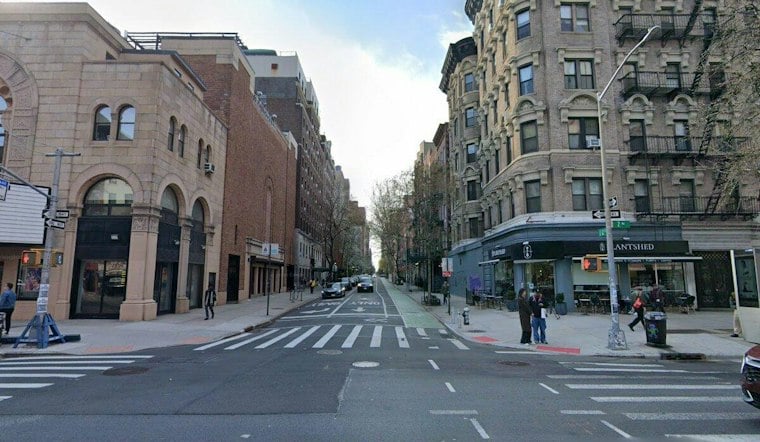
A homeless encampment that residents say has taken root on Second Avenue near 12th Street in Manhattan's East Village has neighbors describing needles littering the ground, drug activity, piled-up belongings and e-bikes crowding the sidewalk. The camp reportedly began appearing near Second Avenue around 14th Street earlier this year, and residents say it has since become a daily source of fear and frustration on their block.
Rachel Rezzlo, a 44-year-old East Village resident, said she feels the city is not doing the right thing by her neighborhood, according to the New York Post. Rezzlo said she views even speaking to camp residents as a threat to her personal safety, and she said she expects the encampment's residents to move only once snow makes staying there impossible. Police have told residents their hands are tied, she and others said.
Neighbors Describe Waste, Drugs and a Chase With a Bat
Bernard Diaz, a 56-year-old housekeeper at a Mount Sinai location where the encampment previously stood, said one or two people at the camp are rowdy and prevent people from passing on the sidewalk. Diaz said people defecate, urinate and empty toilet buckets onto the street and the bike path, and he said he routinely cleaned up excrement left behind at the camp's earlier location.
A neighbor told the Post that people at the camp have exchanged needles and money and once chased a man around with a bat after he threatened to call police. That same neighbor characterized the camp as an open drug trade rather than an encampment for unhoused people, though the specific drugs involved were unknown and might include heroin or fentanyl, the neighbor said. East Village residents said they have complained to police about the Second Avenue encampment, and they said Mayor Zohran Mamdani's policies have left them feeling powerless to clean up their own neighborhood.
A Seven-Day Clock That Can Reset With a Short Move
The city's rules require the Department of Homeless Services to perform outreach for seven days before cleaning up any encampment, according to a report by Yahoo News. The Post described encampment residents moving their belongings just yards away after they were evicted; Yahoo reported that Roggemann moved his belongings short distances to reset the seven-day clock. City encampments have at times remained in place for months under the approach. One unnamed resident told the Post that the city system does not prosecute these kinds of crimes seriously.
The pattern described in the East Village is not unique. A separate report detailed how Mark Roggemann, 50, kept a camp outside City Hall for several weeks by moving his belongings just far enough away to reset the seven-day window each time, according to the same Yahoo News account. The Yahoo News account said those few yards were located right in front of City Hall itself, and Roggemann had even added wheels to the bottom of his sofa to make the moves easier.
City Shifted Encampment Calls From NYPD to DHS Outreach Teams
The policy shift extends beyond the cleanup timeline. A New York Post report from September said the Mamdani administration directed NYPD to stop responding to 311 complaints about homeless encampments, with DHS outreach teams instead assessing reported locations and offering shelter and support. Under that directive, officers who spot an encampment are now told to call 311 themselves, after which DSS and DHS staffers take over, the report said.
That same report said DHS would end up handling triple the calls it previously responded to, despite the agency having fewer than 2,000 staffers citywide. The Post noted that NYPD had responded to more than 26,000 of the 36,000 encampment complaints made to 311 this year before the shift. Crimes, traffic conditions and other public-safety issues are still supposed to go to police through 911, the report said.




